Release Time:2025-12-02
If you’ve ever marveled at the intricacies of metal castings—from the engine blocks powering cars to the delicate sculptures in public plazas—you’ve glimpsed the fruits of meticulous moulding sand preparation. This seemingly simple step in metal casting is, frankly, a world all of its own, and mastering it can mean the difference between a flawless product and costly defects.
Why does this matter beyond the factory floor? Globally, industries like automotive, aerospace, and construction rely heavily on efficient and sustainable casting techniques. With an estimated 650 million tons of castings produced worldwide annually (source: ISO 8062-3), optimizing every step—especially moulding sand preparation—has ripple effects on environmental impact, cost efficiency, and material performance.
Moulding sand preparation isn’t just about mixing sand and clay—it's a critical step in industrial casting processes that impacts quality, sustainability, and cost on a global scale.
At first blush, sand might conjure images of beaches or desertscapes, but in industry, sand’s role is far more profound. The global foundry industry, valued at over USD 70 billion (according to the World Bank data from 2023), sees moulding sand as a key resource—one that requires precise preparation to meet stringent international standards like ISO 15547.
Here’s the catch: poorly prepared moulding sand leads to defects such as blowholes, rough surfaces, or dimensional inaccuracies. This challenges manufacturers worldwide, especially in developing regions where access to quality raw materials or advanced processing equipment is limited.
Moreover, sustainability concerns arise. Conventional moulding sands often contain binders or additives that complicate recycling, adding to industrial waste. So, the industry is quietly tackling these problems through better preparation methods and greener alternatives—making the topic a global touchpoint for innovation and environmental responsibility.
Globally, moulding sand preparation supports billions in industrial output but faces challenges in quality control and sustainability, warranting innovation and standardization.
Simply put, moulding sand preparation is the process of creating a moldable, durable, and reusable sand mixture for casting metal parts. It involves blending silica sand—the backbone—with binders like clay, water, and sometimes additives to achieve optimal strength, permeability, and surface finish.
Think of it as crafting an artificial 'clay' perfect for shaping. The sand must hold the mold’s form yet allow gases to escape during solidification. Poor preparation is like baking a cake with bad dough—you might get something edible, but not the masterpiece intended.
In modern industry, this step ties directly into automation, quality control, and even humanitarian needs like producing durable parts for emergency equipment—quickly and efficiently. It all starts in the preparation phase.
Moulding sand preparation is the art and science of mixing sand and binders to create molds capable of shaping metal castings with precision and reliability.
The shape and size of sand grains impact the mold’s surface finish and strength. Coarse grains improve permeability but might sacrifice detail, while fine grains capture complex shapes but risk poor gas escape. Balancing this is essential.
Bentonite clay is the standard binder, providing plasticity and cohesion. Too much clay causes defects; too little compromises strength. Maintaining the right moisture with this clay tricks molds into lasting and performing.
Water acts as a lubricant and binder. It’s a delicate balance: too dry, and the sand crumbles; too wet, and it becomes sticky and imprecise. Monitoring moisture with electronic gauges is standard in modern foundries.
Reclaimed sand keeps costs down and aligns with sustainability goals, but residual binders and dust can degrade quality. Additives like coal dust reduce defects (known as “veining” or “scabbing”) during casting.
Ambient and processing temperatures affect curing and sand handling. Some newer mixes cure faster or resist heat better, enabling higher casting temperatures and complex alloys.
This process is the backbone of multiple industries. In automotive hubs — be it Detroit, Germany, or emerging centers in India — casting engine blocks or suspension parts depends on well-prepared moulding sands.
In remote mining regions, where equipment downtime costs millions, rapid moulding sand preparation and casting repairs keep machines running and reduce replacement delays.
Relief organizations sometimes commission small foundries to produce vital components like water pump housings or emergency shelter fixtures—tailored with precision and speed via efficient sand molding.
Even the artistic world benefits—sculptors and foundries alike depend on carefully prepared sand for replicating statues and public monuments without flaws.
Moulding sand preparation is a versatile, critical step used across automotive, mining, humanitarian, and artistic fields worldwide.
Cost reduction isn’t just about initial expenses. Properly prepared sand extends mold life, reduces rejects, and allows more reclamation, lowering raw material consumption. This ties directly into sustainability efforts—fewer defects mean less scrap and waste.
From a safety perspective, controlling gases during casting means fewer hazardous fumes or explosions in foundries. On an emotional level, workers and managers share pride when a casting emerges cleanly from a mold, knowing the prep efforts paid off.
Innovation thrives when the base materials are reliable. New alloys, thinner wall castings, and complex shapes only became feasible because the mold prep was precise and repeatable.
Efficient moulding sand preparation delivers economic savings, environmental benefits, worker safety, and fosters innovation.
Green foundries are experimenting with organic binders and reclaimed sands that reduce dust and emissions. Digital monitoring—using IoT sensors for moisture and temperature—makes control more exact than ever.
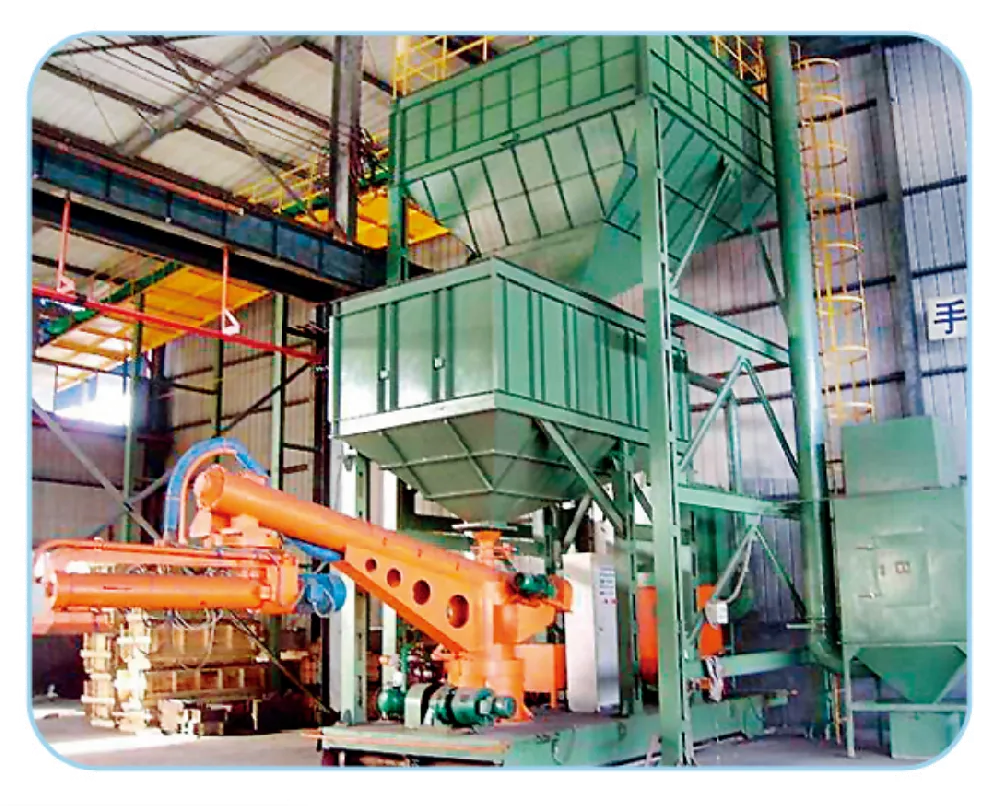
Automation is another frontier: robotic mixers and sand conveyors standardize batches globally. Some companies explore 3D-printed molds, but it won’t replace sand just yet; instead, it offers hybrid solutions and rapid prototyping.
Finally, regulatory pressures related to waste disposal and worker health continue to push improvement in preparation methods.
Technologies like IoT, eco-friendly binders, and automation are shaping a cleaner, smarter future for moulding sand preparation.
The biggest hurdles are contamination buildup in reclaimed sands and moisture inconsistencies. These lead to casting imperfections and increased waste. Advances in sensor technology paired with AI-driven process controls now help foundries predict and correct faults before they happen.
On the sustainability front, researchers are developing clay alternatives and low-emission additives to transform sand preparation into a zero-waste cycle.
Challenges remain, but expert-guided innovation and digital tools offer practical solutions to improve quality and sustainability.
| Specification | Standard Silica Sand Mix | Bentonite Clay Blend | Eco-Binder Hybrid |
|---|---|---|---|
| Grain Size Distribution (µm) | 150-350 | 100-300 | 120-320 |
| Clay Content (%) | 3–5 | 8–10 | 5–7 |
| Moisture Content (%) | 2.5–3.5 | 3–4 | 2–3 |
| Permeability (arbitrary units) | 350–400 | 280–320 | 300–350 |
| Recyclability | Medium | Low | High |
| Vendor | Range of Moulding Sand Products | Customization Options | Sustainability Initiatives | Typical Lead Time |
|---|---|---|---|---|
| GlobalFoundry Supplies | Standard & custom silica blends | Yes, mix ratios & additives | Recycling & dust reduction tech | 2–3 weeks |
| EcoSand Solutions | Eco-binders & reclaimed sands | Extensive bio-binder blends | Zero-waste & carbon-neutral goals | 3–5 weeks |
| Precision Foundry Mixers | High-performance industrial sands | Tailored grain sizes & moisture | Advanced reclamation systems | 1–2 weeks |
Moulding sand preparation might lack the flash of automated robotics or AI-driven inspection, but its humble role is enormous. It’s arguably the unsung hero behind everything cast in metal, quietly shaping economies, industries, and even art. As technology evolves, so does our capacity to refine this mix—balancing legacy techniques with innovation.
Whether you’re working in a high-tech foundry or overseeing relief equipment fabrication, appreciating the nuances of moulding sand preparation is a solid investment. After all, great casting begins in the sand.
For those ready to dive deeper or improve their processes, remember: the right sand mix can change everything.