Release Time:2026-03-19
Sand casting is a versatile and cost-effective metal casting process used across numerous industries. At the heart of this process lies the sand casting machine. This article delves into the details of these machines, exploring their types, components, advantages, applications, and the key considerations for selecting the right one for your needs. Whether you're a seasoned professional or new to the world of metal casting, this guide provides valuable insights into this essential technology. Choosing the correct machine can significantly impact production efficiency, part quality, and overall cost-effectiveness.
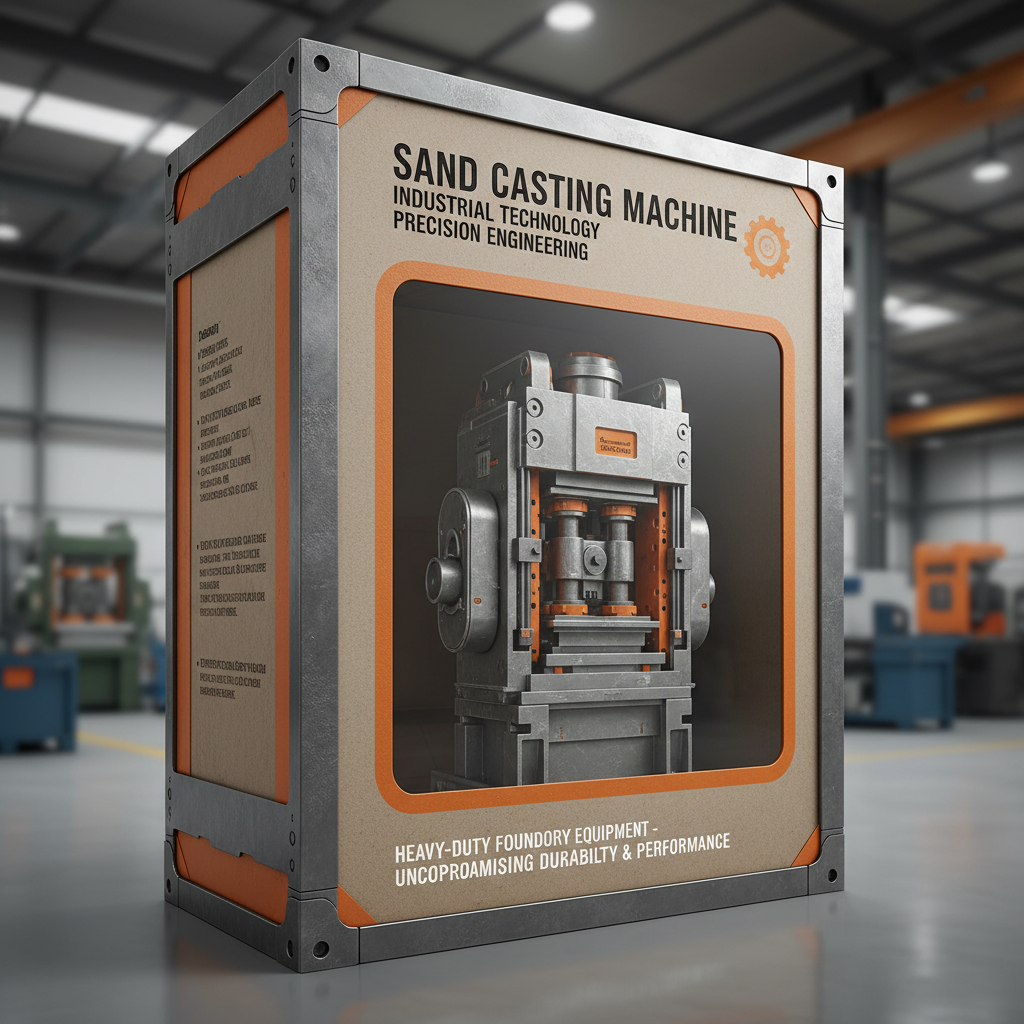
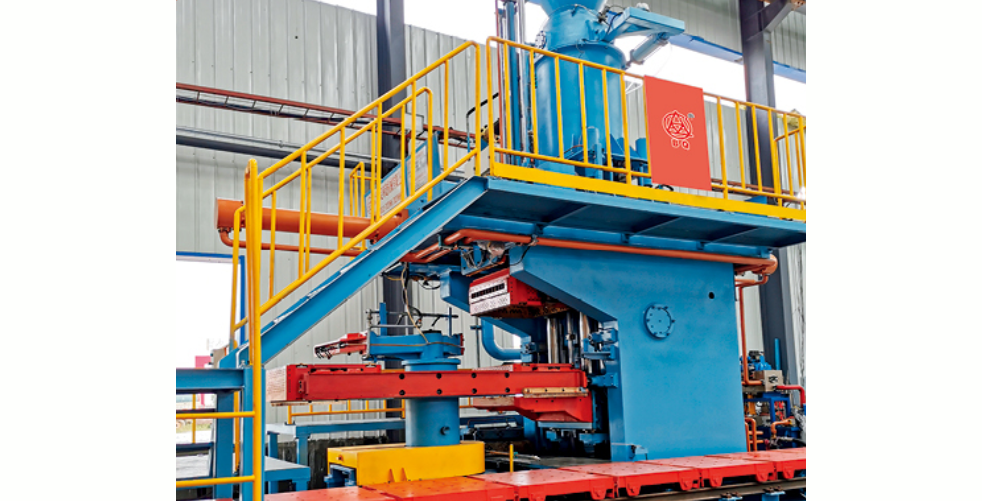
Sand casting machines come in various configurations, each suited for different production volumes and part complexities. The most common types include: Manual Molding Machines, where operators perform most tasks by hand; Semi-Automatic Molding Machines, which automate certain steps like pattern lifting or flask closing; and Automatic Molding Machines, offering high production rates and minimal manual intervention. Within automatic machines, you’ll find variations like Horizontal Flaskless Molding Machines, ideal for high-volume production of complex parts, and Vertical Flask Molding Machines, known for their flexibility and suitability for smaller batch sizes. Selecting the appropriate type depends on your specific production requirements and budget.
Key Takeaway: The level of automation directly impacts production capacity, labor costs, and part consistency. Carefully assess your needs before investing.
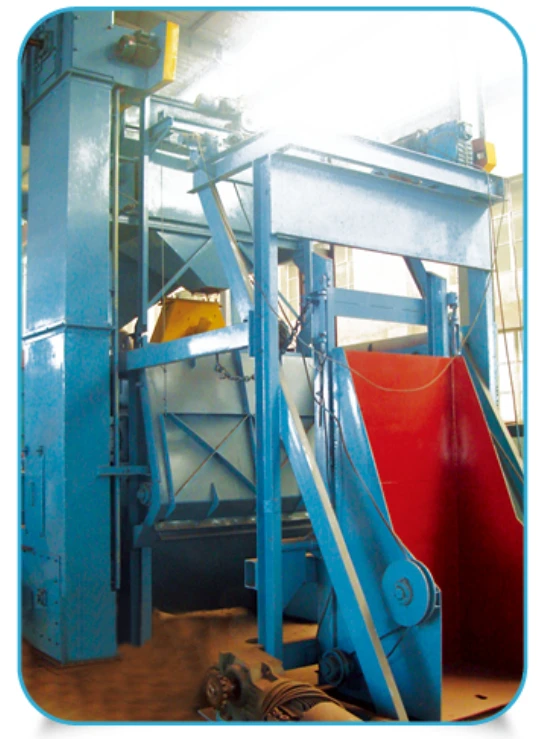
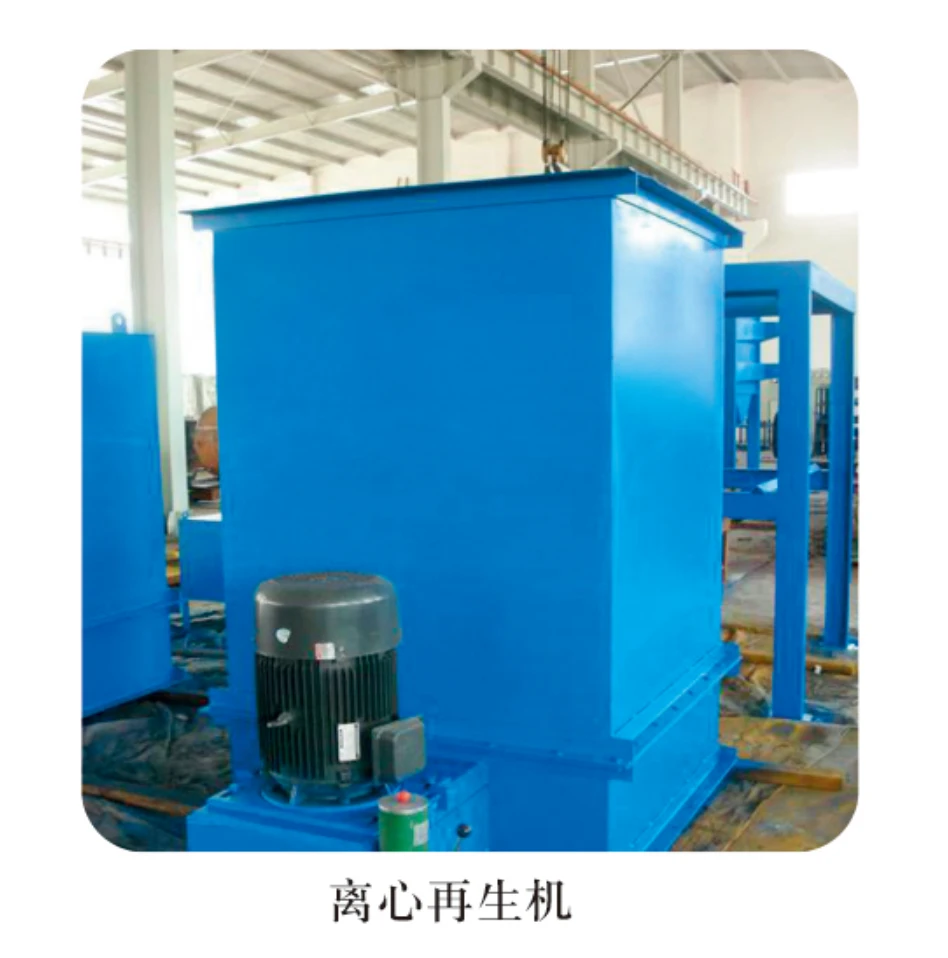
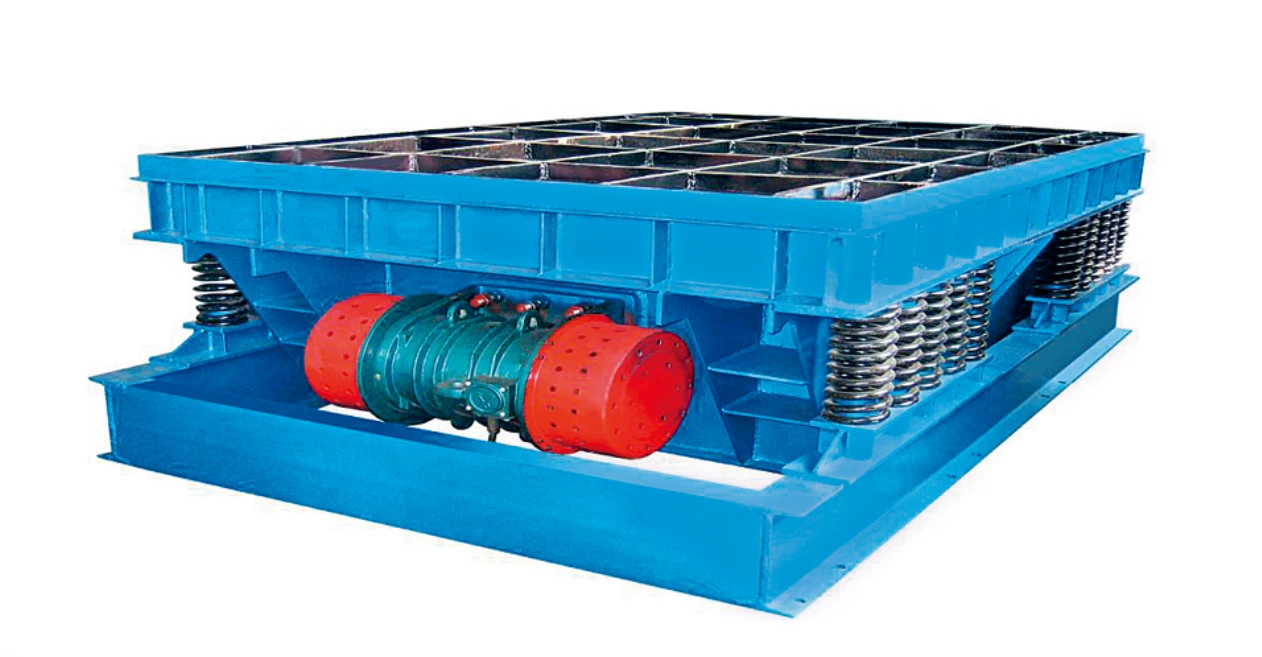
Understanding the core components of a sand casting machine is crucial for operation and maintenance. Essential parts include the Molding Section, where the sand mold is created around the pattern; the Pattern, which defines the shape of the casting; the Flasks, which hold the sand mold; the Sand Handling System, responsible for sand mixing, transportation, and reclamation; and the Pouring System, which delivers molten metal into the mold cavity. Modern machines often incorporate advanced control systems, sensors, and automated features to optimize performance and ensure consistent casting quality. Regular inspection and maintenance of these components are vital for maximizing machine lifespan and minimizing downtime.
Component Importance:
• Accurate patterns are fundamental to part precision.
• Efficient sand handling ensures consistent mold quality.
• A reliable pouring system prevents defects like misruns and cold shuts.
Choosing the right sand casting machine requires a clear understanding of the trade-offs between different types. Here’s a comparison of the most common options:
The versatility of sand casting makes it applicable across a wide array of industries. Automotive manufacturers utilize sand casting for engine blocks, cylinder heads, and transmission cases. The aerospace industry employs it for producing structural components and turbine blades. Agricultural equipment, construction machinery, and even art foundries rely on sand casting to create durable and complex parts. The ability to cast large parts, combined with the cost-effectiveness of the process, makes sand casting machines an indispensable tool for numerous sectors.
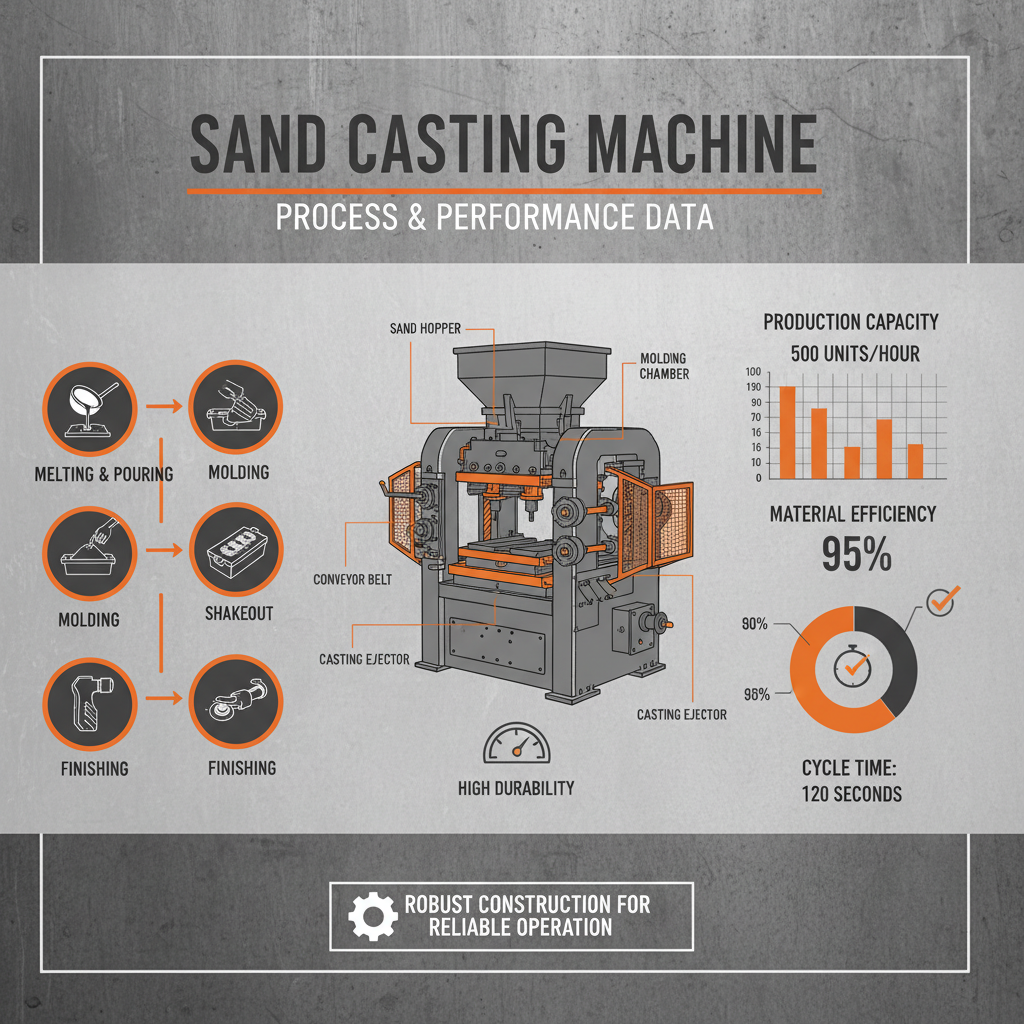
Choosing the optimal sand casting machine involves careful consideration of several factors. Production volume is paramount – higher volumes justify investment in automated machines. Part size and complexity dictate the machine's capacity and features. Material type influences the necessary machine robustness and sand handling requirements. Budget constraints necessitate a realistic assessment of available resources. Furthermore, consider future scalability and the availability of technical support and maintenance. Yonghong BQ offers expert consultation to help you select the perfect machine for your specific needs.
The right sand casting machine is a critical investment for any metal casting operation. By understanding the different types, components, and considerations outlined in this guide, you can make an informed decision that maximizes efficiency, quality, and profitability. Don't hesitate to reach out to industry experts for assistance in selecting the perfect solution for your specific application.
The payback period varies significantly depending on factors such as production volume, labor costs, and machine automation level. Generally, automated machines have a longer initial investment but offer faster payback due to reduced labor and increased production efficiency. A typical payback period for a fully automated system can range from 2 to 5 years, while a semi-automatic machine may pay for itself within 3 to 7 years. A thorough cost-benefit analysis tailored to your specific operation is essential for accurate forecasting.
Regular maintenance is crucial for ensuring the longevity and reliability of your sand casting machine. This includes daily inspections for wear and tear, lubrication of moving parts, periodic replacement of filters and wear plates, and regular calibration of control systems. Sand handling systems require particular attention, with regular cleaning and monitoring of sand quality. Preventative maintenance schedules, as outlined in the machine's manual, should be strictly followed. Yonghong BQ offers comprehensive maintenance services to support your operations.
Sand casting is a remarkably versatile process capable of casting a wide range of metals, including iron, steel, aluminum, bronze, and brass. The specific alloy and its properties will influence the chosen sand mixture and pouring parameters. Higher melting point metals, like steel, require more robust machines and refractory materials. Aluminum and other low-melting-point alloys offer greater flexibility in mold design and casting complexity.