Release Time:2025-12-02
Simply put, casting processing is the backbone behind countless products we rely on daily — from the car engine in your driveway to the massive turbines powering grids worldwide. Globally, casting isn't just a manufacturing step; it's a pivotal technology fueling economic growth and infrastructure development, providing durable and versatile solutions that scale from tiny precision parts to gigantic structural components.
Understanding how casting processes work pushes innovation forward, drives cost efficiencies, and supports sustainability goals, all of which are critical as industries face mounting environmental pressure and rising consumer demands.
Mini takeaway: Casting processing is more than just molten metal poured into molds; it’s a global enabler of modern industry and sustainable production.
Across the world, casting accounts for roughly 20% of all metal parts manufactured annually — an estimate supported by industrial reports and ISO manufacturing standards. Countries like China, Germany, and the US are leader producers, leveraging casting to drive automotive, aerospace, and heavy machinery sectors.
Interestingly, in developing regions, casting processing supports infrastructure projects critical to humanitarian efforts and economic upliftment, such as bridges, water systems, and energy transmission components.
However, modern casting processes face challenges like energy consumption, material waste, and environmental impact. Addressing these issues with innovative casting methods is not just good business — it’s a global imperative.
Mini takeaway: While casting fuels industrial growth worldwide, sustainable innovation in this space is crucial for future development.
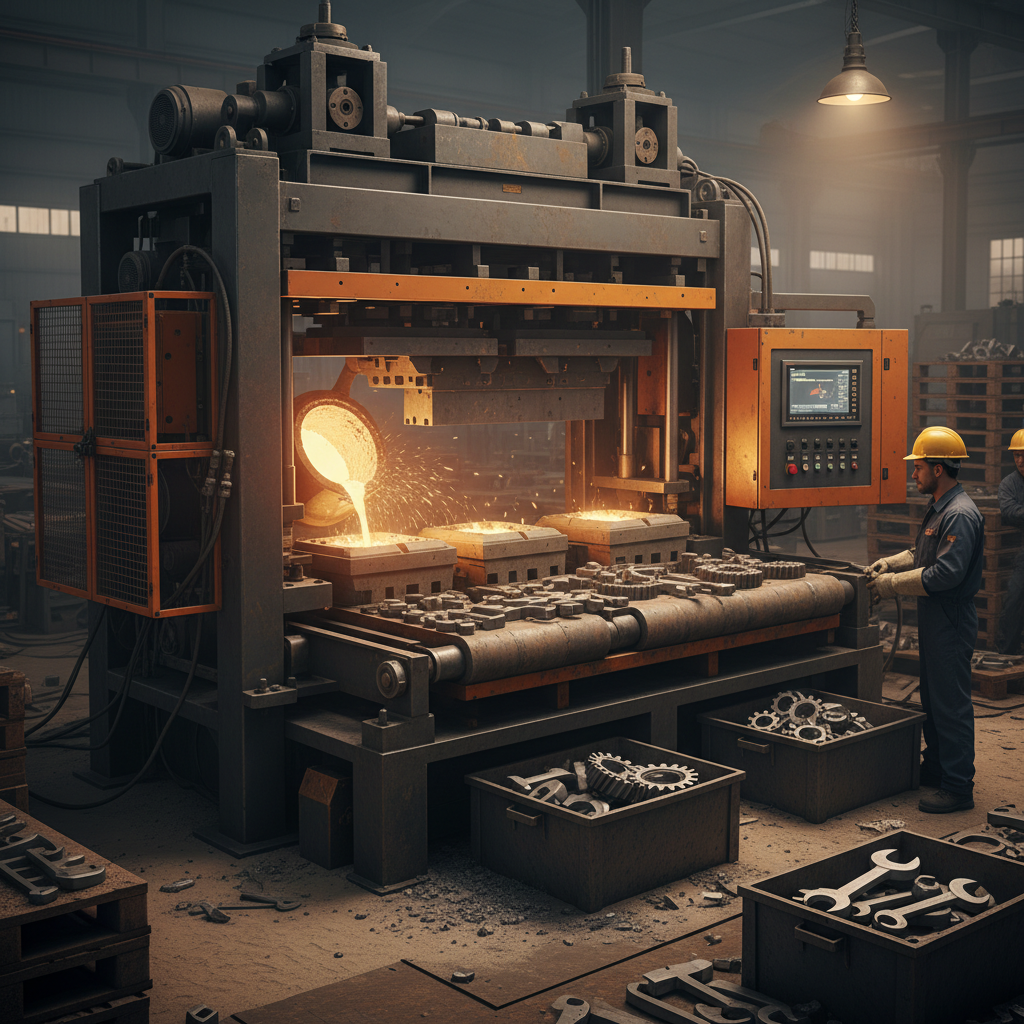
At its core, casting processing involves melting a material—usually metal—and pouring it into a mold to solidify into a desired shape. This ancient technique, refined over millennia, is now a sophisticated manufacturing practice using advanced alloys, precision molds, and computer simulations.
In modern contexts, casting processing is essential for creating complex geometries that other manufacturing methods struggle to produce efficiently or cost-effectively. This makes it invaluable not only industrially but also for critical humanitarian projects, like quickly deploying durable infrastructure in disaster zones — an intersection of technology and social need.
The strength and longevity of cast components depend on carefully controlled processes — from alloy composition to cooling rates. For applications like gas turbines or heavy transport, the ability to tailor microstructures is a major advantage.
Whether producing a handful of prototype parts or millions of standardized components, casting processing adapts well. High-pressure die casting offers rapid cycle times for mass production, while sand casting suits large, low-volume parts.
Compared to machining or additive manufacturing, casting generally reduces material waste and labor time, especially in complex metal shapes. But tooling costs can be significant upfront — making the choice of casting method critical to project economics.
Complex internal cavities or thin-walled sections that would be difficult to machine can be easily produced by skilled casting engineers, enabling lighter and more efficient parts.
Energy consumption and emissions are major concerns, but recent advances in low-energy furnaces and recycled scrap metals help minimize the footprint.
Mini takeaway: Casting processing balances multiple factors — durability, cost, scalability, and green strategies — making it a nuanced yet versatile manufacturing method.
For example, a recent project in Southeast Asia utilized casting processing to produce affordable water pump parts locally, drastically reducing downtime during flood season — an impactful application of industrial know-how.
| Specification | Typical Range | Notes |
|---|---|---|
| Material Melting Point | 650°C - 1600°C | Varies by alloy type |
| Mold Types | Sand, Die, Ceramic | Depends on production volume and complexity |
| Cooling Time | Minutes to hours | Affects microstructure and quality |
| Typical Part Size | 1 cm³ to several tons | Highly scalable |
| Scrap Reuse Rate | Up to 90% | Depends on alloy and process efficiency |
From immediate cost savings via reduced machining to long-term sustainability through recycling, casting processing delivers tangible benefits. It enables manufacturers to innovate while maintaining strict quality and environmental standards.
On a more human level, casting advances bolster safety — creating components that hold under stress, protect lives, and maintain dignity in communities depending on reliable infrastructure. That blend of logic and emotion is what makes casting processing both a practical and meaningful technology.
These innovations promise not only efficiency but adaptability to a rapidly changing market and environmental landscape. The future of casting feels dynamic, in more ways than one.
Despite its strengths, casting processing isn’t without hurdles. Common issues like porosity, shrinkage, and surface defects can undermine quality. Skilled foundry engineers solve these through process controls, improved mold materials, and real-time monitoring.
Environmentally, the energy-intensive nature requires continuous innovation towards greener processes, recycling, and waste reduction. Collaborative ventures between industry and academia increasingly push these solutions forward.
| Vendor | Capabilities | Lead Times | Sustainability Initiatives | Geographic Reach |
|---|---|---|---|---|
| Global Cast Inc. | Die & sand casting, large parts | 4-6 weeks | Uses 75% recycled aluminum | Americas, Europe |
| EcoMold Solutions | Precision investment casting | 6-8 weeks | Carbon-neutral foundry operations | Asia, Europe |
| RapidCast Technologies | 3D printed molds, small to med parts | 2-4 weeks | Focus on renewable energy | Global |
A: Casting often minimizes material waste since the part is shaped close to its final form, unlike machining which removes excess material. This reduces raw material costs and labor. Further savings come from faster production cycles—especially with die casting for volume parts.
A: Absolutely. Modern foundries recycle large percentages of scrap metal and use more energy-efficient furnaces. Innovations like green molding materials and renewable energy integration further reduce environmental impact.
Automotive, aerospace, energy, and construction sectors rely heavily on casting due to its ability to create complex, strong, and scalable metal parts that meet stringent safety standards.
Consider factors like part complexity, volume, lead time, and sustainability goals. Vendors with advanced automation and sustainability certifications often deliver better consistent results.
Yes, casting processing enables producing durable components quickly and locally when scaled. This is vital for rebuilding infrastructure such as water systems and shelters in emergency contexts.
Casting processing stands as a timeless yet evolving pillar of manufacturing. Its capacity for versatility, cost-effectiveness, and integration into sustainable practices makes it indispensible—from global industrial giants to grassroots humanitarian projects.
If you’re looking to explore or enhance your casting capabilities, I recommend checking out casting processing solutions for insights and innovations driving this fascinating sector forward.
Thanks for reading — it feels good knowing these molten metals are shaping the future, quite literally.