Release Time:2025-12-02
At first glance, alloy wheel shot blasting might seem like just another industrial process tucked away in factories. But in reality, it touches on a surprisingly broad set of challenges worldwide — from safety on our roads to sustainable manufacturing and even economic benefits. Understanding this method can unlock a deeper appreciation of how everyday objects, like the alloy wheels on your car, get their durability, shine, and long-lasting appeal. It’s kind of fascinating when you think about it: a process that combines precision, engineering, and a bit of grit. Literally.
Globally, the automotive industry is a massive driver of economic activity, contributing roughly 3% of the world's GDP according to recent World Bank figures. And if you narrow down to components, alloy wheels are crucial not only for aesthetics but for performance and safety. The surface treatment of these wheels plays a significant role — that’s where alloy wheel shot blasting steps in.
In fact, the ISO standards for surface preparation and cleanliness make shot blasting essential to meet quality and durability benchmarks. The problem it solves is pretty clear: any impurity or uneven surface on alloy components leads to premature corrosion, structural weakness, and safety risks. In places where harsh climates or road conditions exist, good surface preparation can make a world of difference.
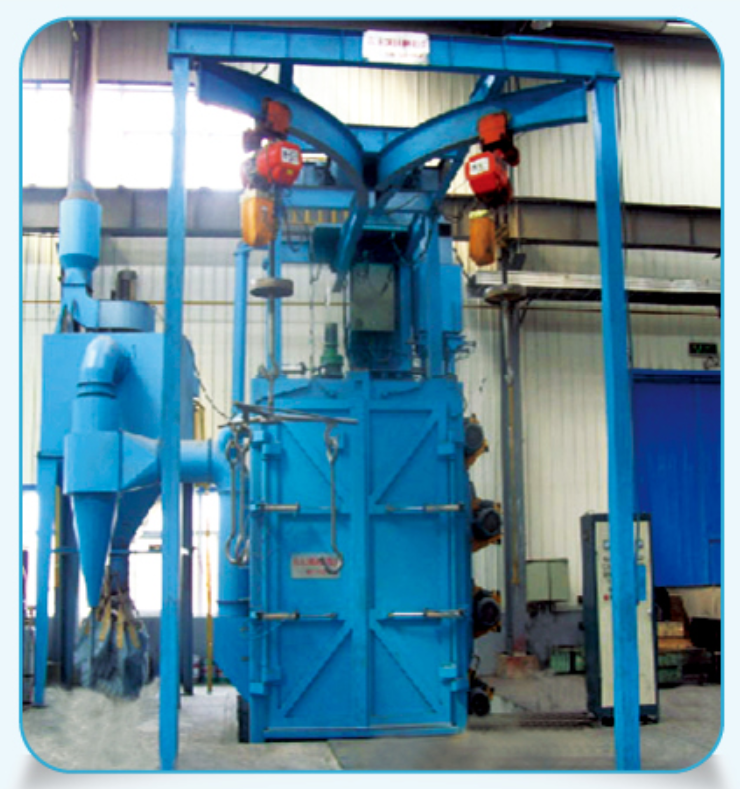
Put simply, shot blasting is a surface-cleaning technique using high-speed metallic or abrasive particles ("shots") fired at the alloy wheels. The goal? Remove impurities, old coatings, or rust while creating a textured surface that helps paint or coatings adhere better.
Imagine sanding wood before painting it — that’s the analogy, except it’s high-tech, and those tiny abrasive shots do the work. It's connected closely with modern manufacturing and even humanitarian contexts, where transportation components need reliable, durable finishes fast. Without it, you’d see wheels deteriorate quickly, replacement costs skyrocket, and safety compromised.
The first step for any successful coating or finishing. Shot blasting ensures that contaminants like grease, scale, and rust are completely removed for an optimal base.
Not all smooth surfaces are ideal. A slight roughness obtained through shot blasting allows paints and powders to grip better. This results in longer-lasting, durable coatings.
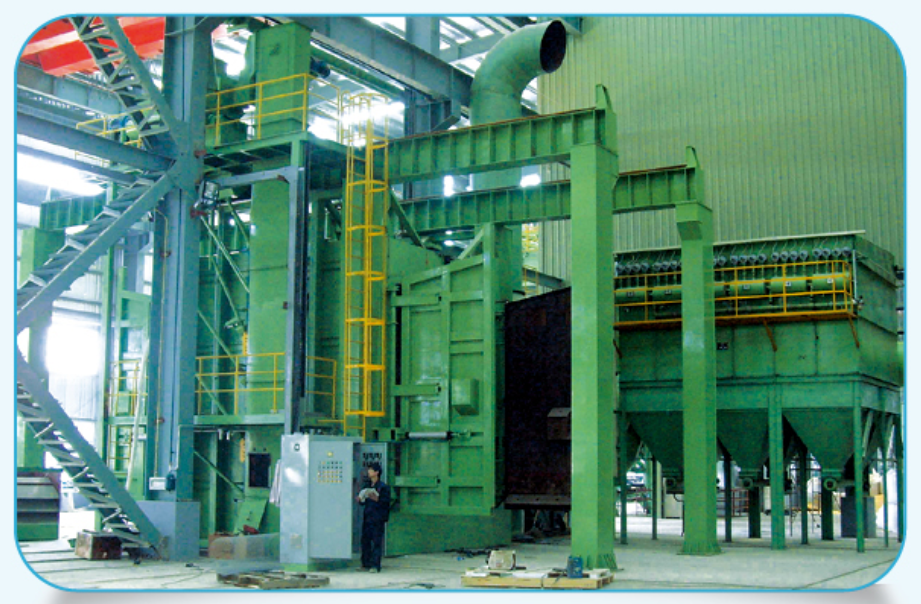
Modern shot blasting machines are designed with steel grit recyclers and dust collectors, minimizing waste and environmental impact, which ties nicely into industry-wide sustainability goals.
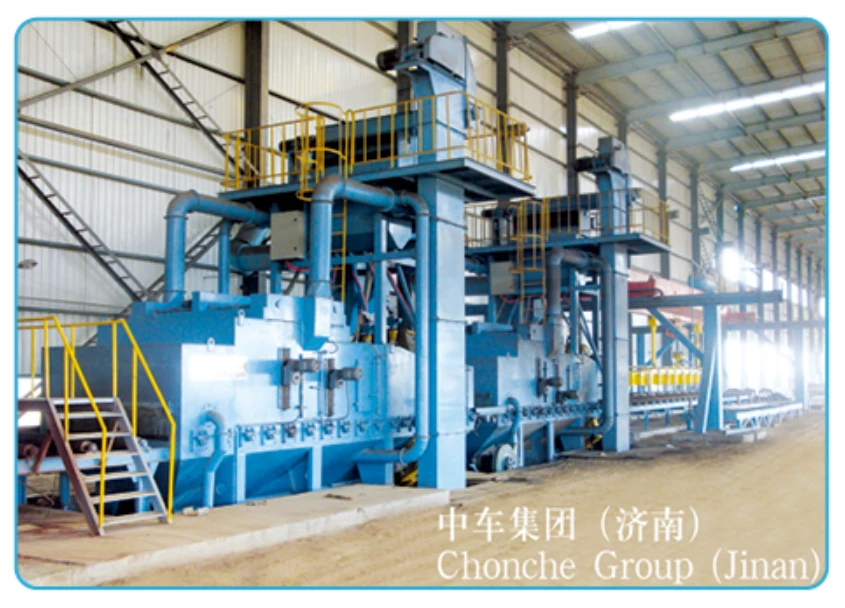
From small workshops to massive automotive plants, the process must adapt. Automated blast rooms offer repeatability and quality control.
While upfront investment in shot blasting equipment can be high, savings arise from reduced repainting, fewer warranty claims, and longer wheel life.
Mini takeaway: Think of shot blasting as the unsung hero giving alloy wheels a new lease on life — it’s all about clean surfaces, good grip for coatings, and efficiency.
Shot blasting has broad usage beyond just factory floors. In Europe, where winter road salt accelerates corrosion, consistent shot blasting of alloy wheels extends vehicle life notably.
In Asia, high-volume manufacturers handle millions of wheels annually, relying on high-tech shot blasting lines.
Even in remote industrial zones of Australia or Canada, on-site mobile shot blasting units maintain equipment and vehicle components to mitigate wear from harsh environments.
Organizations like international NGOs also find value here — during disaster relief, vehicles with well-maintained wheels can deliver aid more reliably. A seemingly small process with big ripple effects.
| Feature | Specification |
|---|---|
| Blast Media Type | Steel Grit (S230) |
| Blast Pressure | 5.5 bar (80 psi) |
| Cycle Time per Wheel | 45-60 seconds |
| Dust Collection Efficiency | > 98% |
| Media Recycling Rate | Up to 90% |
| Power Consumption | ~7 kW per cycle |
| Vendor | Automation Level | Environmental Features | Price Range (USD) | Warranty |
|---|---|---|---|---|
| BlastPro Systems | Semi-automatic | HEPA dust filtration, media recycler | $45,000 - $60,000 | 2 years |
| EcoBlast Technologies | Fully automatic | Closed-circuit media recycling, zero waste emissions | $70,000 - $90,000 | 3 years |
| SpeedShot Equipment | Manual operation | Basic dust collector, no recycler | $20,000 - $35,000 | 1 year |
In the next few years, you’ll see several innovations impacting shot blasting for alloy wheels:
It’s a bit like how cars themselves keep evolving — the surface treatment step is catching up with the demand for greener, smarter manufacturing.
Of course, no process is perfect. Common hurdles in alloy wheel shot blasting include:
To tackle these, experts recommend:
Alloy wheel shot blasting might not be the flashiest topic, but it is one of those foundational technologies that keeps modern transportation rolling safely and sustainably. It perfectly melds engineering precision with practical concerns around environment, cost, and quality. So next time you admire a glossy, clean wheel — you’re witnessing the result of a process honed over decades to get it just right.
If you’re curious to dive deeper or explore specific solutions, visit our website. Sometimes, it’s the pipes and the grit behind the scenes that tell the most interesting stories.