Release Time:2025-12-02
The casting machine might not grab headlines daily outside industrial circles, but its role in shaping, building, and manufacturing goods is quietly monumental. Simply put, a casting machine is a device that melts and pours metal or other molten materials into molds to form specific shapes and components.
Globally, these machines underpin everything from automotive engines to medical devices, even infrastructure parts that keep cities running. As industries strive for higher efficiency, cost reduction, and sustainability, understanding this technology is key. Advances in casting machines have rippling effects — lowering production waste, improving product precision, and enabling new materials that sort of revolutionize how we build just about everything.
Mini takeaway: Casting machines are the unsung heroes shaping modern manufacturing with their precision and industrial versatility.
Around the world, industrial output depends heavily on the efficiency of casting machines. According to the International Organization for Standardization (ISO) and trade reports, casting processes account for roughly 70% of metal parts manufacturing worldwide. The World Bank’s industrial manufacturing data also shows that as emerging markets scale up, the demand for robust casting equipment grows exponentially.
The challenge, frankly, is that older casting technologies often struggle with waste and energy inefficiency. Rapid urbanization, decarbonization efforts, and supply chain resilience have pushed the industry toward smarter, greener solutions. Casting machines capable of rapid prototyping, better energy control, and modular design provide practical answers to these ongoing problems.
Mini takeaway: Casting machines are central to global manufacturing growth, bridging efficiency gaps and environmental demands.
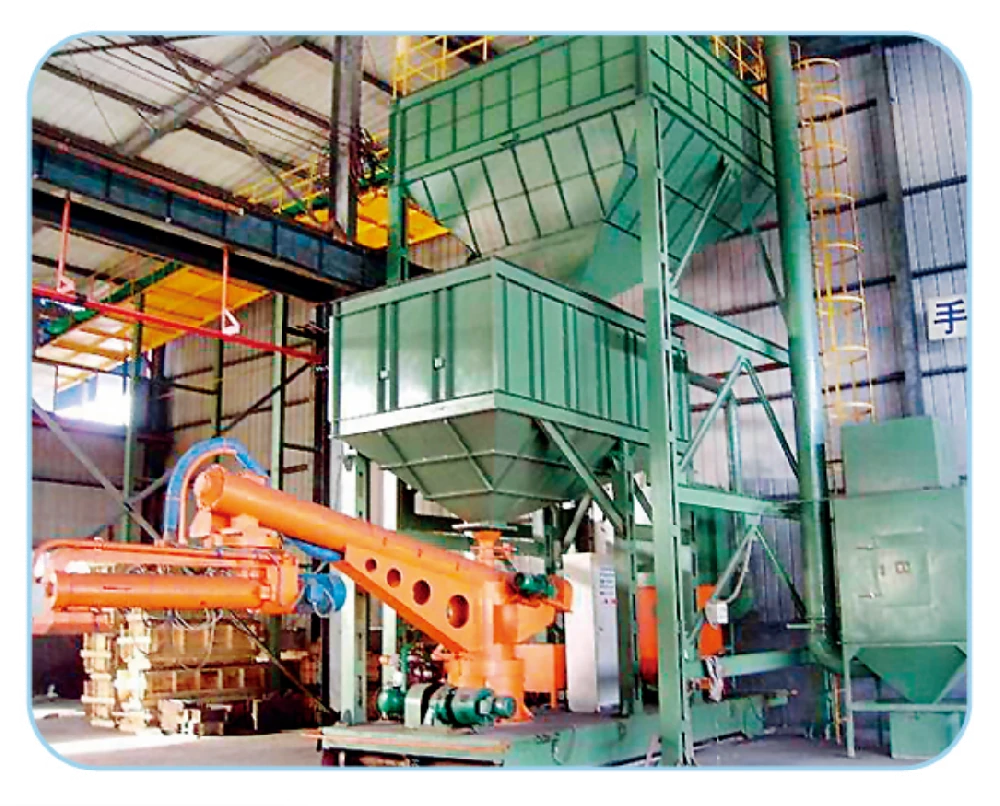
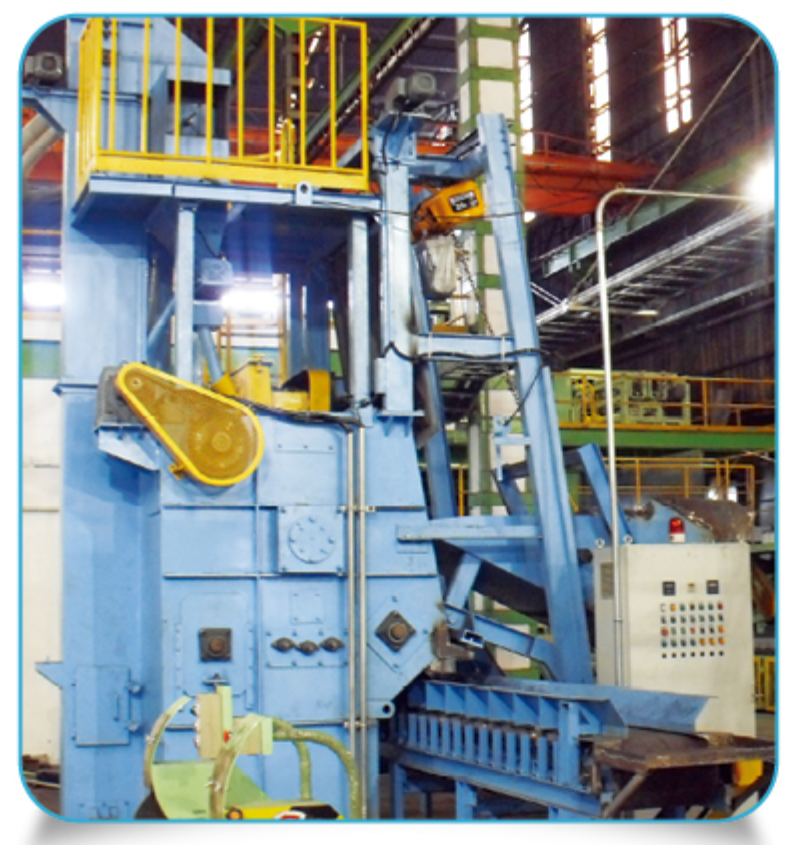
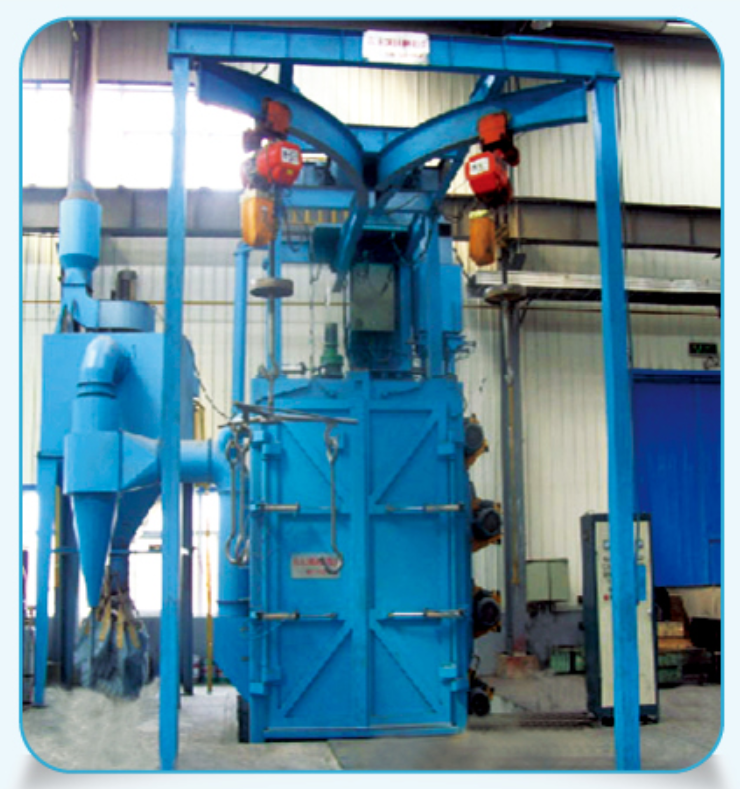
In straightforward terms, a casting machine is specialized equipment that pours molten metal or materials into a pre-shaped mold. The material solidifies and takes the shape of that mold, which can be anything — from airplane turbine blades to complex automotive parts.
Modern casting machines come in various forms: sand casting machines, die casting machines, continuous casting machines, and even advanced robotic casting systems. Their relevance doesn’t stop at factories either — humanitarian engineering uses casting machines for rapid production of durable parts in post-disaster rebuilding or remote industrial setups where on-site manufacturing matters.
Mini takeaway: Simply put, casting machines transform molten materials into essential, real-world components quickly and reliably.
Robust materials in casting machines allow them to withstand extreme temperatures, which is essential for consistent production cycles. Longevity means less downtime — something manufacturers never underestimate.
Whether it’s a small batch of prototypes or large-scale industrial runs, casting machines adapt to volume demands. This flexibility saves costs and allows businesses to respond swiftly to market shifts.
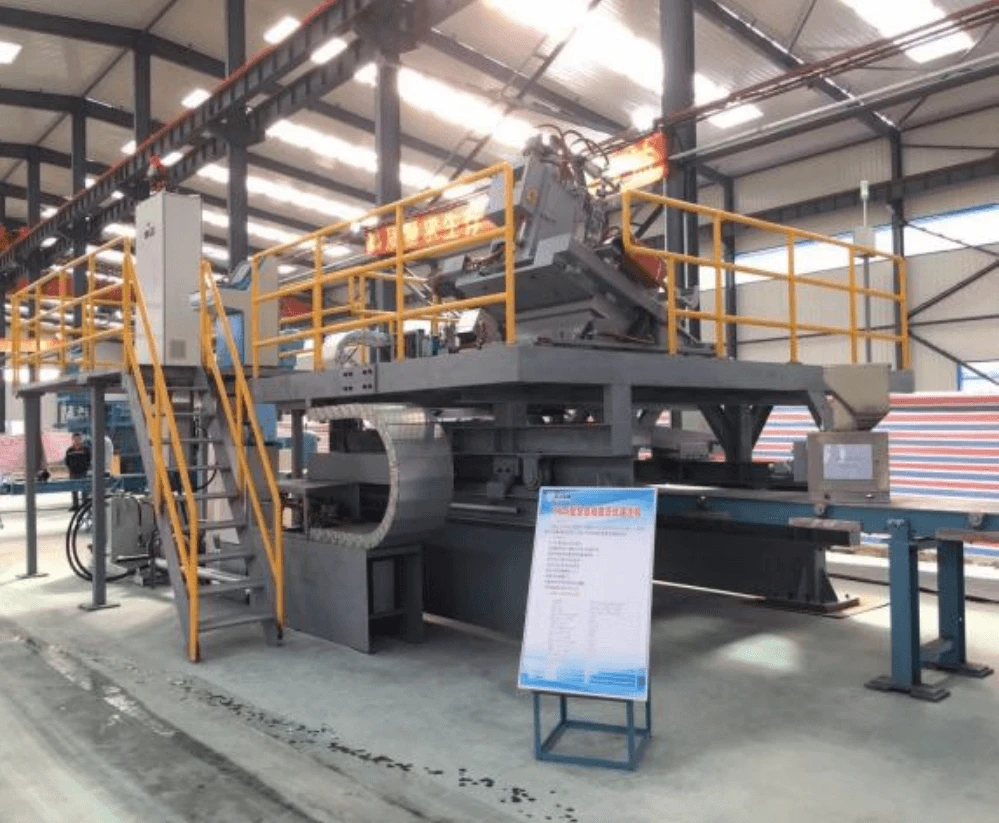
Enhanced sensor integration and real-time monitoring in modern casting machines ensure parts meet stringent tolerance levels. This reduces scrap rates and improves end-product reliability.
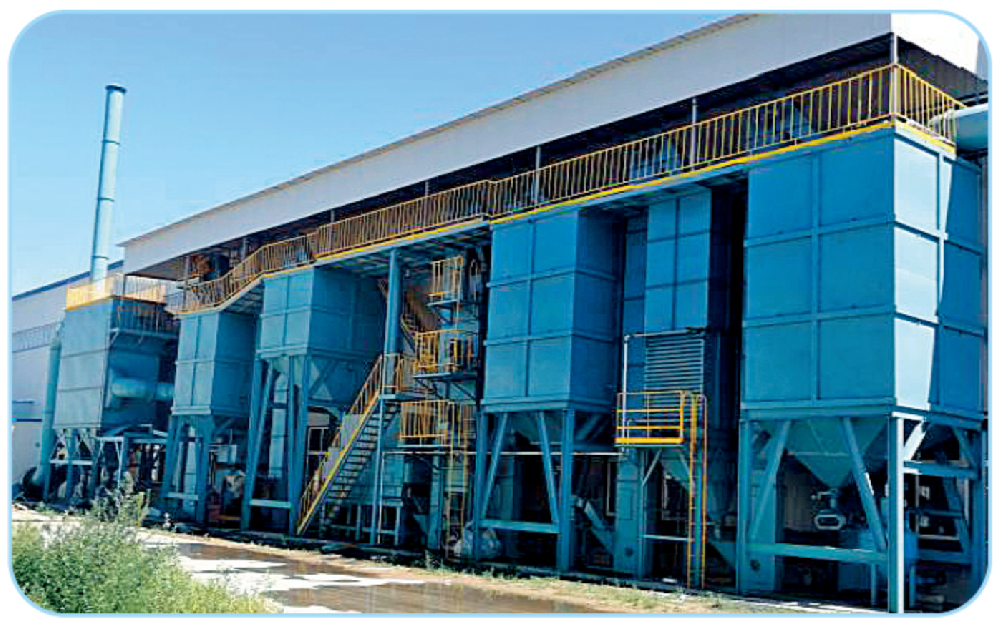
New models employ heat recovery systems and optimized melting techniques that significantly reduce energy consumption, aligning with global sustainability goals.
Robotic arms and AI-powered controls in casting machine setups allow for minimal human error, faster cycle times, and safer operations — quite a leap from the days of manual mold pouring.
Mini takeaway: Durability, scalability, precision, energy efficiency, and automation form the backbone of today’s effective casting machines.
Casting machines power a vast spectrum of industries, but several areas stand out. In aerospace hubs like the United States and Germany, precision die casting machines churn out complex lightweight alloys critical for fuel efficiency. Meanwhile, regions with booming automotive industries like China and India rely heavily on continuous casting machines for their mass production needs.
Oddly enough, in humanitarian engineering, casting machines make metal parts on-demand during disaster recovery scenarios, such as quickly fabricating water pump parts or structural components in remote areas.
Industrial zones in Africa are inviting more casting machine technology, enabling local manufacturing that bolsters economic development — shifting from metal import dependency toward self-reliance.
Mini takeaway: From aerospace alloys to remote disaster zones, casting machines have a truly global and diverse footprint.
Mini takeaway: Casting machines deliver tangible economic, environmental, and social returns that continue to grow with innovation.
The future of casting machines intertwines with digital transformation, automation, and green energy. Things like casting machine systems embedded with sensors feed real-time data to AI algorithms optimizing entire production lines.
Environmentally, manufacturers are experimenting with recycled materials and lower-melting-point alloys, shrinking energy usage. Hybrid machines combining additive manufacturing with traditional casting — sometimes dubbed "smart casting" — promise even greater design freedom.
Mini takeaway: Expect casting machines to get smarter, greener, and more adaptive, fueling the next industrial revolution.
Despite advances, casting machines face obstacles. High upfront investment keeps smaller enterprises from upgrading. Scrap rates, while reduced, still pose environmental and cost issues. Also, precisely controlling complex alloy compositions in high-volume runs can be tricky, leading to rejections.
Experts advocate modular machine design for easier updates, better operator training using VR simulation, and tighter supply chain coordination. In the long run, fostering industry standards on recycling and energy use will also be key.
Mini takeaway: Innovation paired with smarter business models will help overcome casting’s persistent limitations.
| Feature | Standard Value | Notes |
|---|---|---|
| Melting Capacity | 500 - 1500 kg/h | Depends on machine size and alloy |
| Cycle Time | 1 - 3 minutes | Varies with mold complexity |
| Power Consumption | 50 - 120 kW | With energy recovery systems |
| Automation Level | Semi-automatic to Fully automatic | Depends on config and integration |
| Material Compatibility | Aluminum, Steel, Copper alloys | Special alloys on configurable machines |
| Vendor | Automation Level | Energy Efficiency | Customization | Pricing Range |
|---|---|---|---|---|
| Yonghong (example) | Fully automatic | High (30% less power) | Modular and easy upgrades | $$$ |
| GlobalCast Inc. | Semi-automatic | Medium | Limited | $$ |
| MetalForm Co. | Manual | Low | Custom engineering only | $ |
Casting machines remain a cornerstone of modern manufacturing — quietly powering countless parts, products, and projects that define contemporary life. Their evolving technology, from automation to energy efficiency, makes them an investment in both innovation and sustainability. For industries and organizations looking to optimize their production while reducing environmental impact, delving into the world of casting machines is well worth it.
Curious to explore cutting-edge casting machines for your operations? Visit our website for detailed info and tailored solutions: https://www.yonghongbq.com.