Release Time:2025-12-02
In the world of logistics and material handling, a telescopic conveyor feels like that clever gadget you pull out when time and space are critical. But beyond the cleverness, these conveyors have quietly revolutionized how warehouses, airports, and manufacturing plants handle goods — making operations faster, safer, and more flexible. If you’ve ever wondered how packages swiftly move from a shipping truck to a sorting system without causing a traffic jam of workers and forklifts, telescopic conveyors are a big part of the reason why.
Globally, efficient material handling is tied directly to economic growth and sustainability goals. According to the International Organization for Standardization (ISO), streamlining logistics reduces waste, cuts energy use and emissions, and improves worker safety. Understanding telescopic conveyors is not just industry jargon — it’s a window into how the backbone of supply chains keeps turning smoothly worldwide.
World Bank data tells us that global warehouses are pushing harder than ever to keep up with e-commerce growth and faster delivery demands. Roughly 60% of warehouses in developed markets have implemented some form of automation, and telescopic conveyors stand out for their ability to reduce manual labor while handling varied pallet sizes. Yet challenges persist — space constraints in urban logistics hubs, increasing shipment volumes, and strained labor pools demand nimble, modular solutions.
Enter the telescopic conveyor — a flexible, extendable belt that can reach inside trucks or container bays, drastically cutting loading and unloading times. In an industry where every minute saved adds up to tens of thousands in cost reductions globally, these conveyors provide the kind of practical innovation that feels like the right answer to modern logistical puzzles.
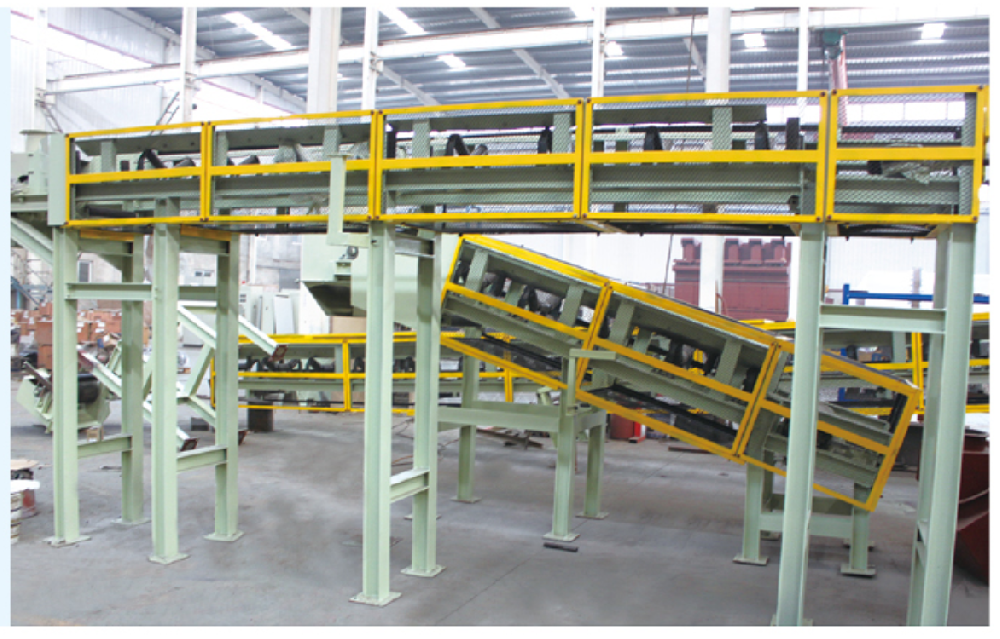
Simply put, a telescopic conveyor is an extendable conveyor belt system often mounted on wheels or rollers. It reaches into delivery vehicles or container bays to transfer cargo quickly and safely. Like those old-school telescope spy glasses you might have played with, this conveyor "telescopes" out and retracts back, which lets warehouse operators bridge the gap between the dock and the truck bed without extra manual hauling.
Its connection to modern industry? It’s the unsung hero optimizing global supply chains, humanitarian aid distributions, and just about any operation needing temporary or adaptable conveyor access. Whether in fast-paced e-commerce fulfillment centers or emergency relief supply drops, telescopic conveyors marry speed with efficiency in a uniquely elegant package.
Most telescopic conveyors are built with heavy-duty steel frames and abrasion-resistant belts—think of them as workhorses designed to survive the daily grind in industrial settings. They must resist rough handling, weather elements in some cases, and still keep running smoothly.
These conveyors scale from small units suitable for light parcels (say, 10–15 feet extended) to massive systems stretching up to 40 feet or more for bulky cargo. Flexibility to fit a variety of dock heights and truck lengths is a non-negotiable feature.
Electric motors power most telescopic conveyors today with variable speed controls to accommodate different cargo types and processes. Smart systems allow fine adjustment so goods aren’t rushed or stalled during transfer.
Mounted on wheels or casters, these conveyors can be repositioned instantly. When fully retracted, they take up minimal floor space — making them perfect for multi-use warehouse layouts.
Sensors, emergency stops, and overload protections are nowadays standard — keeping workers and cargo safe amid sometimes frantic loading cycles.
Durability and flexibility are the twin pillars that make telescopic conveyors far more than just fancy belts. These key components come together to solve real-world loading bottlenecks effectively.
From sprawling distribution centers in North America to remote industrial zones in Southeast Asia, telescopic conveyors have found a sweet spot. Industries that rely on timed deliveries — such as retail, postal services, and manufacturing — benefit heavily.
Frankly, what stands out is how these conveyors blend efficiency with worker safety and sustainability:
Oddly enough, while people often focus on the technical promise, the emotional benefit of making warehouse work less grueling deserves recognition.
Looking ahead, the integration of smart sensors and IoT connectivity is poised to turn telescopic conveyors into intelligent agents within warehouse ecosystems. Soon, they might self-adjust speed, alert maintenance teams preemptively, or even synchronize with autonomous robotic loaders.
Materials innovation also brightens the horizon — lightweight yet strong composites could reduce energy use further, while solar-powered conveyor units, particularly for open-air docks, are gaining interest among green-minded operators.
Despite their appeal, telescopic conveyors face hurdles:
Experts recommend modular designs for phased upgrades and training programs to enable smooth adoption — combining technology with human expertise is still the winning formula.
| Specification | Typical Range / Value |
|---|---|
| Extended Length | 10 - 40 feet (3 - 12 meters) |
| Conveyor Belt Width | 18 - 36 inches (45 - 90 cm) |
| Maximum Load Capacity | 90 - 200 kg per meter length |
| Power Source | Electric motor with variable speed |
| Mobility | Wheels or casters for repositioning |
| Safety Features | Emergency stop buttons, sensors, overload protection |
| Vendor | Strengths | Drawbacks | Typical Lead Time |
|---|---|---|---|
| Yonghong Conveyor | Customizable sizes, durable build, great after-sales | Slightly higher price point | 4-6 weeks |
| FastRoll Systems | Quick delivery, mid-range pricing | Limited custom options | 2-3 weeks |
| Global ConveyTech | Wide international presence, robust parts availability | Longer lead times, older designs | 6-8 weeks |
Costs vary widely based on length, load capacity, and custom features. A basic unit might start around $5,000, while highly customized or longer conveyors can exceed $20,000. Consider installation and maintenance costs as well for a full picture.
Yes, many models can adapt to diverse package shapes and sizes, but extremely awkward cargo may require additional handling equipment or adjustable belt widths. Confirm with your vendor about compatibility.
Standard units are designed for indoor environments, but some manufacturers offer weather-resistant models with corrosion-proof materials for outdoor docks. Always check environmental specs before purchase.
With proper maintenance, these conveyors often last 10-15 years. Wear items like belts and rollers may require periodic replacement to maintain optimal operation.
Modern telescopic conveyors often support connectivity through industry-standard protocols, allowing them to sync with conveyor lines, sorters, and warehouse management systems. Collaborate with your automation provider for smooth integration.
In a world speeding ever faster toward automation and efficiency, the humble telescopic conveyor quietly turns a vital gear. It bridges gaps — literally and figuratively — between manual labor and automated handling, between rigid infrastructure and flexible needs. Whether you’re a shipper, a manufacturer, or a logistics manager, embracing these adaptable conveyors could mean the difference between a clunky bottleneck and a smooth, reliable process.
Now’s a great time to explore options like the telescopic conveyor by Yonghong Conveyor for tailored solutions that grow with your operation.