Release Time:2025-12-02
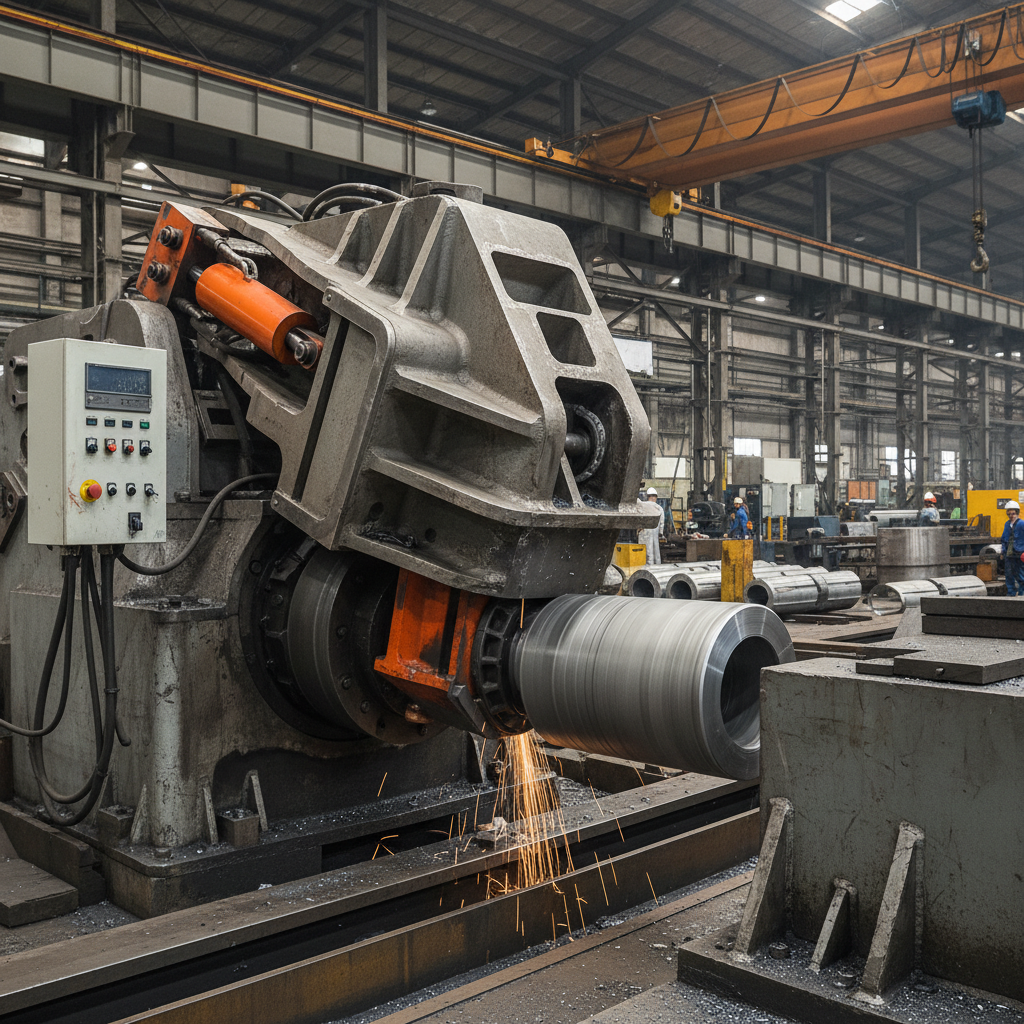
Shot blasting spare parts might sound like something from a factory’s secret toolbox, but in reality, they’re the unsung heroes that keep industries worldwide humming smoothly. Whether it’s cleaning, strengthening, or preparing metal surfaces, these components ensure the shot blasting machines don’t just keep running—they run efficiently and safely. In an increasingly industrialized world, grasping their importance is not just a technical curiosity but a must for any business or engineer aiming to stay competitive.
Shot blasting itself is a well-established surface treatment process used across manufacturing, construction, and even aerospace sectors. According to the International Organization for Standardization (ISO), surface treatment standards have seen a 15% annual rise in adoption globally over the past decade, underscoring growing industrial reliance on technologies like shot blasting. But here’s the hitch: these machines depend on a range of precision-engineered spare parts. Without reliable replacements, downtime can soar—and in places like Europe, China, and North America, where production lines run 24/7, that quickly translates to lost millions.
Additionally, the environmental imperative is taking center stage. Efficient shot blasting systems with up-to-date spare parts minimize waste and energy consumption, syncing well with global goals like those outlined by the United Nations Industrial Development Organization (UNIDO) for sustainable industry growth.
Mini takeaway: Shot blasting spare parts aren’t just components; they are pivotal to industrial efficiency, cost management, and environmental stewardship globally.
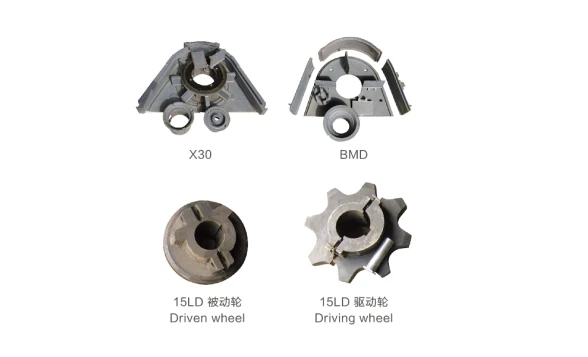
At its core, shot blasting involves propelling small steel shots at high velocity to clean or strengthen a surface. The machines doing this rely on numerous parts—some wearing out faster than others. Spare parts include components like blast wheels, blades, nozzles, abrasive valves, and wear liners. Each plays a role in maintaining the machine’s optimal blasting performance. Think of them as the various gears and joints in a well-oiled clock, quietly keeping everything on time.
In modern industry, their role extends beyond just metals. For humanitarian needs, for instance, maintaining infrastructure integrity through shot blasting enables quicker post-disaster rebuilding and stronger materials—so these spare parts have a role in safeguarding safety and dignity indirectly.
Spare parts need to endure punishing conditions—abrasive materials flying at high speed, constant friction, and varying temperatures. Typically, parts made of hardened steel, tungsten carbide, or other treated alloys last longer. Many engineers swear by high-chrome blades and ceramic liners for extending service life. This directly cuts costs and maintenance downtime.
It’s tempting to pinch pennies, but subs standard parts often mean more frequent replacements, which breaks the bank over time. Smart buyers weigh upfront price against life expectancy — some “premium” parts actually end up cheaper per hour of machine uptime.
Not all machines are created equal. Shot blasting units range widely by size and design. A key factor is ensuring spare parts are compatible or customizable for different models. Scalability becomes critical for growing factories or plants planning to expand their equipment lineup.
Downtime is the enemy, so parts available on short notice or stocked locally make a huge difference. Some companies maintain regional warehouses or partnerships with suppliers to offer just-in-time delivery.
| Part Name | Material | Typical Life Span | Function |
|---|---|---|---|
| Blast Wheel Assembly | High Chrome Alloy Steel | 12-18 months | Propels abrasive media at target surfaces |
| Blade or Impeller Blades | Tungsten Carbide Coated Steel | 6-12 months | Controls abrasive flow speed and direction |
| Nozzle | Ceramic or Hardened Steel | 12-24 months | Shapes abrasive stream for precision |
| Abrasive Valve | Steel with Rubber Seals | 24-36 months | Regulates abrasive feeding rate |
| Wear Liner | Polyurethane or Rubber | 6-12 months | Protects machine interiors from abrasion |
Shot blasting spare parts serve industries as varied as shipbuilding in Europe, automotive manufacturing in East Asia, and steel fabrication in North America. Oddly enough, they also play a quiet but critical role in remote industrial zones such as mining operations in Australia or oil rigs in the Middle East. In post-disaster relief, these parts help keep equipment clean and operational, accelerating the rebuilding of essential infrastructure.
For example, in regions recovering from hurricanes, having quick access to durable shot blasting parts means bridges and buildings can be treated faster, helping restore community safety and pride. Similarly, in automotive factories that run with lean inventory philosophies, spare parts availability enables smooth just-in-time production without delays.
Mini takeaway: The wide-ranging need for shot blasting spare parts reflects not just industry demands but touches on social welfare, infrastructure resilience, and economic stability worldwide.
The future’s looking pretty interesting. Innovations like smart sensors embedded in parts for predictive maintenance promise to cut downtime radically. Manufacturers are also exploring greener materials, like bio-based polymers for liners, reducing environmental footprints. Automation is edging toward fully automated spare parts ordering systems synced with machine diagnostics—a dream for busy maintenance teams. Plus, digital transformation means 3D printing custom parts might become normalized, slashing lead times.
Of course, challenges remain. Supply chain disruptions can leave plants stranded without critical parts. Varying international standards complicate compatibility, especially for multinational companies. Then there’s wear rate unpredictability—no one wants to guess when a part will fail. But many suppliers now offer comprehensive diagnostics, modular design parts, and regional warehousing to ease access. Plus, ongoing R&D keeps pushing for materials combining durability with affordability.
| Vendor | Parts Range | Lead Time (Days) | Warranty | Global Shipping |
|---|---|---|---|---|
| Yonghong BQ | Comprehensive (shot blasting spare parts) | 5-7 | 12 months | Yes |
| BlastPro Inc. | Specialized parts | 10-14 | 6 months | Limited regions |
| SteelWorks Supply | Standard parts only | 7-10 | 9 months | Yes |
A1: Compatibility depends on your machine’s make and model. Always refer to your equipment manual or consult the supplier with your machine specs. Many vendors, including shot blasting spare parts specialists, offer tailored advice to ensure you get exactly what fits—avoiding costly trial-and-error.
A2: Regular inspection for wear, timely replacement before complete failure, proper lubrication of moving parts, and ensuring correct abrasive media help prolong part life. Also, avoid overloading your machine to reduce undue stress.
A3: Yes — advances in materials science now deliver wear liners and components made from recycled or bio-based compounds without compromising durability. Greener parts also often reduce dust and waste output, aligning with sustainability goals.
A4: Lead times vary by supplier and geographic location, but reliable vendors maintain regional stock for rapid dispatch. For instance, Yonghong BQ offers parts delivery within 5-7 days globally, helping minimize costly downtime.
A5: Generic parts might seem cheaper upfront but often wear faster or don’t fit perfectly, leading to machine damage or safety risks. Purchasing quality, optimized spares means longer service life and fewer unexpected stops.
It’s easy to overlook small things—like spare parts—that quietly keep massive industrial machines alive. But for anyone serious about productivity, safety, and sustainability, investing time in choosing quality shot blasting spare parts pays off in spades. From cost savings and global reliability to aligning with green goals, the benefits ripple wide and deep.
Curious to explore a trusted supply of high-grade parts? Visit https://www.yonghongbq.com and see how you can keep your operations firing on all cylinders.
References: