Release Time:2025-12-02
If you’ve ever taken a stroll through a bustling warehouse, an automated factory, or even a big mining operation, chances are an incline conveyor quietly guided goods or materials uphill — no fuss, no drama, just steady support. But why does this simple mechanism matter so much globally? In real terms, incline conveyors are foundational in reducing manual labor, improving efficiency, and enabling industries to function seamlessly across uneven terrain. Understanding their role unlocks a deeper appreciation for supply chains, humanitarian logistics, and an array of industrial processes that keep our modern world ticking.
According to the International Organization for Standardization (ISO), nearly 60% of all material handling processes involve conveyors of some sort. Incline conveyors, specifically, address a unique challenge: transporting materials over vertical distances safely and efficiently. On a global scale, with industries expanding in difficult landscapes—think mountainous mining sites, sprawling ports, or disaster zones needing rapid supply movements—the incline conveyor emerges as an ingenious solution against gravity’s pull.
The UN’s recent report on supply chain resilience highlights logistics bottlenecks in less developed regions often arise from an inability to move goods smoothly across elevations. These mechanical helpers could, quite literally, be the difference between timely aid delivery and catastrophe. So, while they might not grab headlines, incline conveyors quietly power progress everywhere.
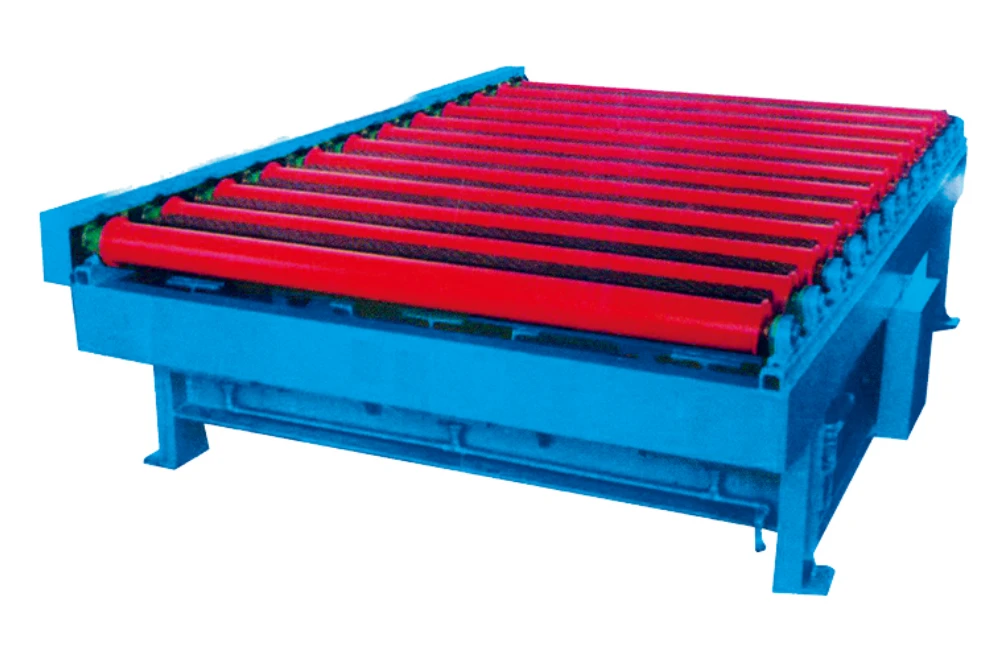
Simply put, an incline conveyor is a material handling device designed to move products from a lower point to a higher point, or vice versa, at an angle. Unlike flat conveyors, they tackle elevation changes that help lift or lower goods safely while maintaining continuous flow.
From a practical standpoint, these conveyors bridge the gap—literally—between places in a factory or supply chain system that otherwise require heavy lifting or manual transfer. In humanitarian contexts, they can help transport relief materials into difficult-to-access areas fast, supporting ongoing operations where every second counts.
Whether moving heavy ores or delicate packaged goods, incline conveyors must last. Typically constructed from steel frames and wear-resistant belts or rollers, their materials fend off abrasion and corrosion. Many say this toughness directly affects downtime and maintenance budgets.
An incline conveyor in a small bakery looks very different from one in an international port. Length, width, incline angle, and load capacity vary — modular designs help operators tweak these parameters without reinventing the wheel.
Frankly, they represent an excellent ROI by reducing manual labor costs and minimizing delays from inefficient vertical movement. Energy consumption also matters — the latest models prioritize low-power motors or incorporate regenerative braking systems to save on electricity.
This often-overlooked aspect includes emergency stops, belt guards, and slip-resistant belts especially if transporting loose or wet materials. Ensuring worker safety isn’t just best practice; it’s fundamentally linked to system reliability.
Easy access to moving parts, simple belt replacements, and clear diagnostics help maximize uptime. Most designers now emphasize “smart” maintenance sensors for predictive alerts before breakdowns happen.
Oddly enough, their quiet presence belies huge impact across diverse sectors.
For instance, a recent case in Southern Africa saw organizations deploying incline conveyors to reach flood-affected communities where roads failed. Without these conveyors, relief supplies would've faced dangerous and slow manual transport.
| Feature | Typical Range / Standard | Notes |
|---|---|---|
| Belt Width | 300 mm – 1200 mm | Varies by material size |
| Max Load Capacity | 500 kg/meter | Depends on belt and motor specs |
| Incline Angle | 5° – 45° | Steeper angles may need cleats or sidewalls |
| Speed | 0.5 – 3 m/s | Variable frequency drives common for control |
| Drive Type | Electric motor (AC/DC) | Energy efficient motors preferred |
| Vendor | Customization | Lead Time | Price Range | Service & Support |
|---|---|---|---|---|
| Yonghong Material Handling Co. | High (modular options) | 4-6 weeks | Mid to Premium | Comprehensive worldwide support |
| ConveyorTech International | Medium | 3-5 weeks | Budget to Mid | Regional service centers |
| Industrial Belt Solutions | Low | 2-4 weeks | Low to Mid | Basic support options |
Beyond their solid mechanics, incline conveyors bring clear advantages that resonate with both industrial pragmatism and societal needs. For companies, they reduce operational costs by cutting labor load and speeding processes. For workers, these conveyors contribute to safer environments by removing hazardous manual lifting. And for communities, especially in challenging landscapes, incline conveyors support timely supply chains that can mean the difference between plenty and scarcity.
There’s something quietly reassuring about a system that consistently handles the uphill battle — it earns trust over years of steady service. They’re a modest but reliable partner of progress.
The conveyor market is evolving. With Industry 4.0 gaining steam, incline conveyors integrate digital sensors for real-time monitoring, predictive maintenance, and AI-driven load balancing. New, sustainable materials reduce weight without compromising strength, and solar or regenerative energy technologies shrink their carbon footprint.
As automation spreads, expect more intelligent incline conveyors that communicate with entire plant systems, optimizing flow and minimizing waste in ways we’re barely scratching the surface of today.
Of course, incline conveyors aren’t perfect. Slippage on steep angles or spillage of loose materials can be headaches. Some environments accelerate wear, complicating maintenance. However, solutions like cleated belts, side guards, and advanced lubrication have become standard fixes.
Suppliers like Yonghong suggest early-stage customization paired with on-site assessments to tailor incline parameters properly. Maintenance automation tools also help catch problems before they cascade into costly downtime.
When you reflect on how everyday goods move seamlessly over hills, between floors, and up tricky gradients, incline conveyors stand out as silent enablers behind the scenes. They blend physics with practical design, steadily tackling challenges that might otherwise stall progress. For businesses aiming to improve efficiency, safety, and sustainability, these conveyors come highly recommended.
Ready to elevate your operations? Visit incline conveyor specialists like Yonghong for tailored solutions that meet your unique needs.