Release Time:2025-12-02
If you've ever wondered how intricate engine blocks or aerospace parts get their complex shapes, chances are the “core making machine foundry” is part of that story. It might sound niche, but in reality, these machines play a crucial global role — quietly powering manufacturing, shaping industries, and helping bring innovative products to life. Understanding this has tangible benefits: from grasping manufacturing efficiency to recognizing how industrial advances contribute to sustainability and economic growth worldwide.
The demand for precise, high-quality metal castings is soaring. According to the International Organization for Standardization (ISO), foundries worldwide operate billions of dollars’ worth of machinery every year — and the core making machines are at the heart of that process.
In 2023, the global foundry equipment market size was estimated to exceed $4 billion, growing annually by roughly 5%, driven by automotive, aerospace, and heavy engineering needs. Yet the challenge? Traditional core-making processes can be time-consuming, resource-heavy, and sometimes lead to inconsistencies that hit production deadlines hard. That's where core making machine foundry solutions come in — automating, optimizing, and scaling core production in ways the old manual methods simply can’t keep up with.
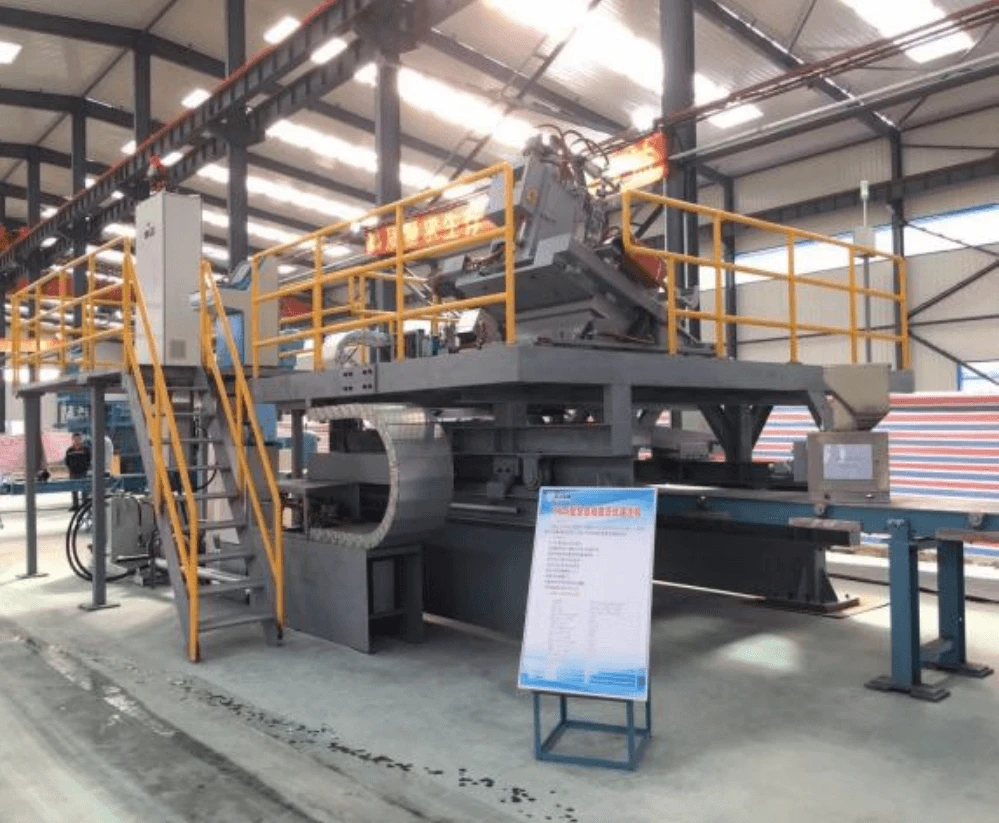
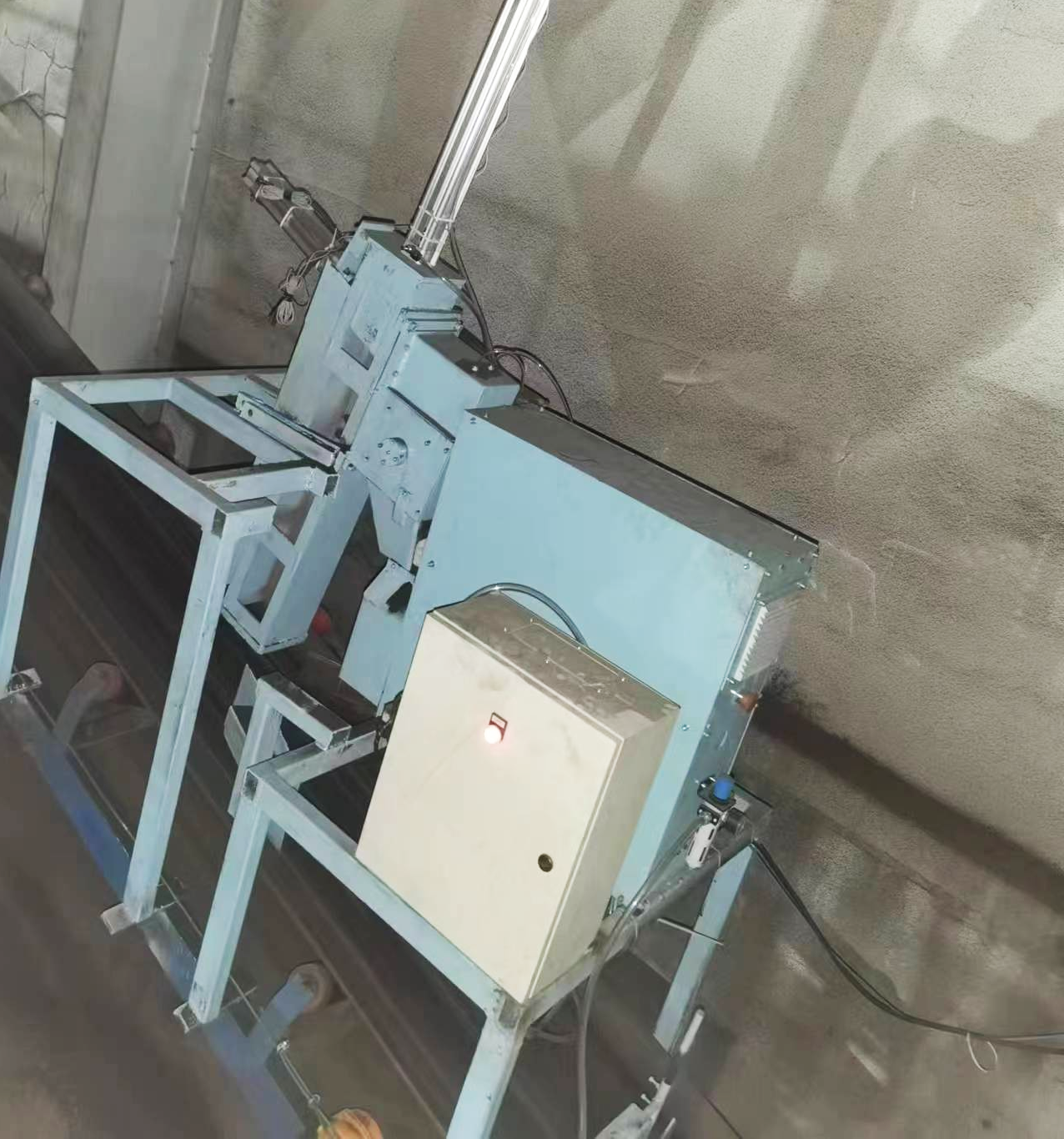
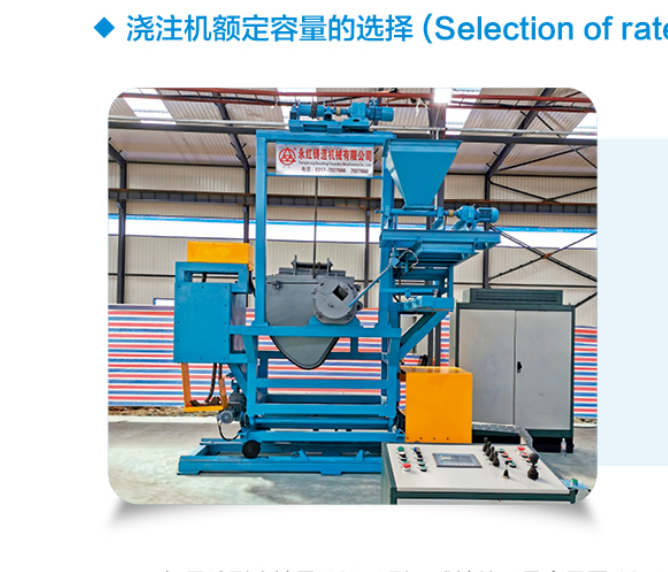
Put simply, a core making machine foundry refers to the specialized equipment and process systems designed to produce cores used in metal casting molds. Cores are these perfectly shaped inserts that determine hollow sections or intricate internal passages in castings — like cooling ducts in engine blocks or complex cavities in pump housings.
Industrially, these machines enable manufacturers to consistently create cores with pinpoint accuracy, often from sand or other composite materials, drastically cutting defects and improving mechanical performance. Beyond manufacturing, this technology underpins construction components, defense parts, and even humanitarian hardware manufacturing, where precision and reliability mean lives can depend on it.
Manufacturing intricate cores means tolerances can’t be “close enough.” Modern core makers use high-grade sensors and durable molds that withstand repeated cycles without warping or degradation.
Today's core making machines are designed to ramp up production on demand. From small batch runs for prototyping to mass production lines delivering thousands every shift — scalability is key for meeting diverse industrial requirements.
Advanced machines optimize the use of sand and binders, minimizing wastage. Some models now incorporate recycling systems that reclaim unused sand, reducing overall environmental impact and saving costs.
Incorporating robotics and AI-driven sensors, these machines provide real-time feedback, catching defects before they become costly. This automation reduces reliance on manual labor and human error.
With growing industrial sustainability demands, greener binders and lower-emission systems are becoming standard — making core making machines foundry solutions not just efficient but responsible.
Understanding these core machine components helps you see why they’re vital to modern manufacturing — precision, scalability, and sustainability are not just buzzwords; they’re the silent breakthroughs behind better products worldwide.
From California's aerospace workshops crafting jet parts to remote mining operations in South Africa producing heavy equipment castings, these machines pepper every corner of industry.
Besides the clear benefits in quality and production speed, these machines help reduce industrial waste, which in turn lowers environmental footprints. Emotionally, one can’t overlook the peace of mind industries gain when defects drop — decreased downtime and less risk means workers and managers sleep better at night.
Socially, automation opens doors for safer work environments by reducing exposure to hazardous substances and extreme physical tasks. You might call it innovation that is both smart and humane.
The integration of digital twins — virtual replicas of machines for predictive maintenance — is gaining fast traction. Also, additive manufacturing (3D sand printing) is making inroads, promising even greater shape complexity without traditional tooling.
Green initiatives are accelerating too. Some companies now test bio-based binders that break down harmlessly after casting, alongside energy-efficient drying and curing processes that cut the carbon footprint.
Finally, the move toward smarter core making machine foundry solutions involves full-line automation — from raw material feeding through to unloading via robotics, meaning less human error and greater throughput.
One lingering challenge is the upfront capital investment — advanced machines cost more, which can deter smaller foundries. Skilled labor remains a bottleneck for maintenance and operation even as automation grows. Also, adapting to newer eco-friendly materials can complicate machine calibration.
However, leasing options, modular machine designs, and rigorous operator training programs are mitigating these issues. Open-source and collaborative industry platforms also share best practices — ensuring progress doesn’t stall.
| Specification | Details |
|---|---|
| Core Size Range | 50 mm to 600 mm (length) |
| Cycle Time | 60-90 seconds per core |
| Automation Level | Semi-automatic to Fully automatic |
| Material Compatibility | Chemical-bonded sand, organic binders |
| Power Consumption | 3 kW to 7 kW |
| Footprint | 4 m² to 10 m² |
| Vendor | Automation | Eco Technologies | Price Range | Best For |
|---|---|---|---|---|
| Yonghong | Full automation with AI monitoring | Bio-based binder compatibility | $$$ | Large-scale precision foundries |
| CoreTech Solutions | Semi-automated with modular upgrades | Standard chemical binders | $$ | Mid-sized workshops |
| EcoCore Industries | Automated lines with recyclable sand systems | Highly sustainable, green tech focused | $$$ | Eco-conscious foundries |
| FlexiCore | Manual to semi-automatic | Mostly traditional materials | $ | Budget-conscious small shops |
In real terms, the core making machine foundry is more than just equipment — it’s the linchpin for high-quality, efficient, and sustainable metal casting industries worldwide. From reducing production bottlenecks to lowering environmental impact, these machines embody both the art and science of modern manufacturing.
For businesses ready to take the next step, exploring equipment from trusted vendors like Yonghong could be a smart move. After all, innovation waits for no one, and the machines shaping the cores of tomorrow’s products might just redefine your competitive edge.