Release Time:2025-12-02
Metal casting sand might not be the flashiest topic around, but it’s quietly pivotal in shaping the industries behind everything from automotive parts to aerospace components. Globally, its significance is hard to overstate: this specialized sand acts as the mold medium for shaping molten metal into complex forms, combining traditional craftsmanship with cutting-edge manufacturing. Understanding metal casting sand’s properties and applications offers valuable insight into sustainable industrial practices, economic efficiency, and even humanitarian infrastructure solutions.
The metal casting industry represents a sizeable chunk of the manufacturing economy worldwide. According to the International Organization for Standardization (ISO), billions of tons of metals are cast annually. Somewhere in that process lies metal casting sand, as the unsung hero helping transform raw metals into usable machinery and tools.
More than 80% of all metal castings rely on sand molds—remarkably efficient and relatively inexpensive compared to alternatives. According to World Bank data, metal casting industries are essential to economic development in both emerging and mature markets, supporting sectors like automotive, construction, and energy. However, the challenge remains: the longevity and recyclability of metal casting sand affect costs and environmental footprint, prompting research and innovation worldwide.
In its simplest form, metal casting sand, sometimes called foundry sand, is a high-quality silica (quartz) sand used to create molds for casting metals. A blend of fine grains and binders allows it to hold shape under molten metal temperatures. Without it, casting complex parts or highly detailed items would be nearly impossible. Many people might think of sand as something mundane — but in the realm of metalwork, it’s a precision tool.
Its importance extends beyond the factory floors, feeding into industrial supply chains crucial for building critical infrastructure, machinery, and tools that support global development goals and humanitarian projects alike.
This sand must endure extreme temperatures, often exceeding 1,500°C, while maintaining structural integrity. The grain size and composition (commonly silica-based) determine its resistance to cracking or melting.
Proper venting of gases during the molten metal pour is crucial—otherwise, defects form. Metal casting sand’s permeability ensures these gases escape, maintaining casting quality.
With sustainability becoming a driving force, foundries aim to recycle sand as much as possible. Reclaimed sand reduces raw material demand and waste but requires careful processing to maintain quality.
Depending on the application, sands use different binders—from clay (green sand) to synthetic resins—affecting mold strength and environmental impact.
Sand is relatively economical compared to other mold materials, but factors like reuse cycles, processing, and disposal fees affect overall cost.
Mini takeaway: Metal casting sand isn’t just “sand”; it’s a carefully engineered component balancing strength, thermal stability, permeability, and sustainability that affects the entire casting process.
Industries across continents depend heavily on metal casting sand:
For those interested in sourcing or learning more, metal casting sand suppliers often provide tailored grades and consultation for specific projects.
| Specification | Green Sand | Resin-coated Sand | Silica Sand (Premium) |
|---|---|---|---|
| Grain Size (mm) | 0.10–0.25 | 0.12–0.30 | 0.15–0.40 |
| Thermal Stability (°C) | 1200 | 1400 | >1500 |
| Permeability | Moderate | High | Variable |
| Recycling Rate (%) | Up to 80 | 60–70 | 85+ |
| Binder Type | Clay + Water | Synthetic Resin | Optional Additives |
It feels like every manufacturer is chasing cost savings and green credentials these days, and metal casting sand delivers on both fronts. Here’s how:
Emerging trends are reshaping how metal casting sand fits into the bigger industrial story:
No process is perfect — for metal casting sand, challenges include:
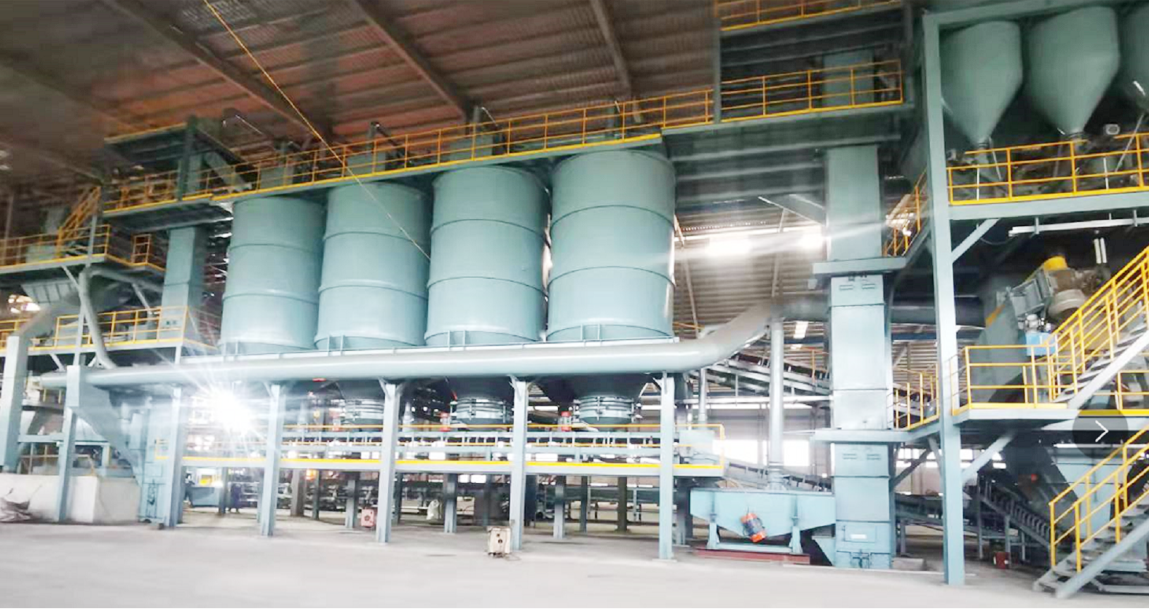
In response, many foundries now employ advanced sand recycling plants, while researchers study alternative sands like olivine or synthetic sands. Better process control via IoT and AI also plays a part in improving yield.
| Supplier | Product Range | Recycling Services | Global Reach | Special Features |
|---|---|---|---|---|
| Yonghong BQ | Green, resin-coated, specialty sands | Yes, with onsite consulting | Asia, worldwide exports | Custom blends and test reports |
| Global Foundry Supplies | Standard silica sands, additives | Limited | North America, Europe | Volume discounts |
| SustainSand Solutions | Eco-friendly binders, reclaimed sands | Comprehensive recycling | Europe, Asia | Green certifications |
To be honest, metal casting sand doesn’t often get the spotlight it deserves, yet its role touches so many aspects of modern life and industry. From boosting sustainability goals to enabling economical production of complex castings, it’s a small component with a big impact. So next time you drive your car, fly in a plane, or see machinery at work, remember there’s a lot of cleverly engineered sand behind the scenes.
Curious to find the right metal casting sand for your project? Visit our website to explore products, specs, and expert advice tailored to your needs.
Mini takeaway: Metal casting sand embodies the blend of tradition and innovation, proving that even “simple” materials carry the weight of progress.