Why the Cleaning Chamber is More Relevant Than Ever — A Quick Overview
If you’re in manufacturing, healthcare, or any sector where hygiene and precision matter, chances are you’ve heard of a cleaning chamber. But why is this somewhat niche piece of equipment suddenly gaining global traction? Simple: as industries push harder on quality, compliance, and sustainability, a reliable cleaning chamber is becoming indispensable. It’s no longer just a convenience—it’s about safety, operational efficiency, and environmental responsibility. Globally, with increasing regulations from bodies like ISO and the UN Environmental Programme, cleaning chambers help bridge modern demands with practical solutions. Understanding these systems unlocks better product quality, fewer health risks, and often, lower operating costs in the medium term.
---
The Global Context: Why Cleaning Chambers Matter Now
The world today faces amplified challenges around contamination control. According to the World Health Organization, healthcare-associated infections affect hundreds of millions globally, many linked to inadequate sterilization. Meanwhile, industries like semiconductors and aerospace require cleanliness levels few other tools can achieve consistently.
Statistics show that markets for industrial cleaning equipment, including cleaning chambers, are growing steadily at roughly 6-7% annually, driven by both regulatory needs and technological advancement (source: ISO and market reports).
But globally, the biggest challenge is accessibility—how do factories in less developed regions or mobile operations maintain the kind of cleanliness standards their counterparts in the West manage easily? That’s where innovative cleaning chambers come in, designed to be scalable and adaptable across geographies.
---
Defining the Cleaning Chamber: What Exactly Is It?
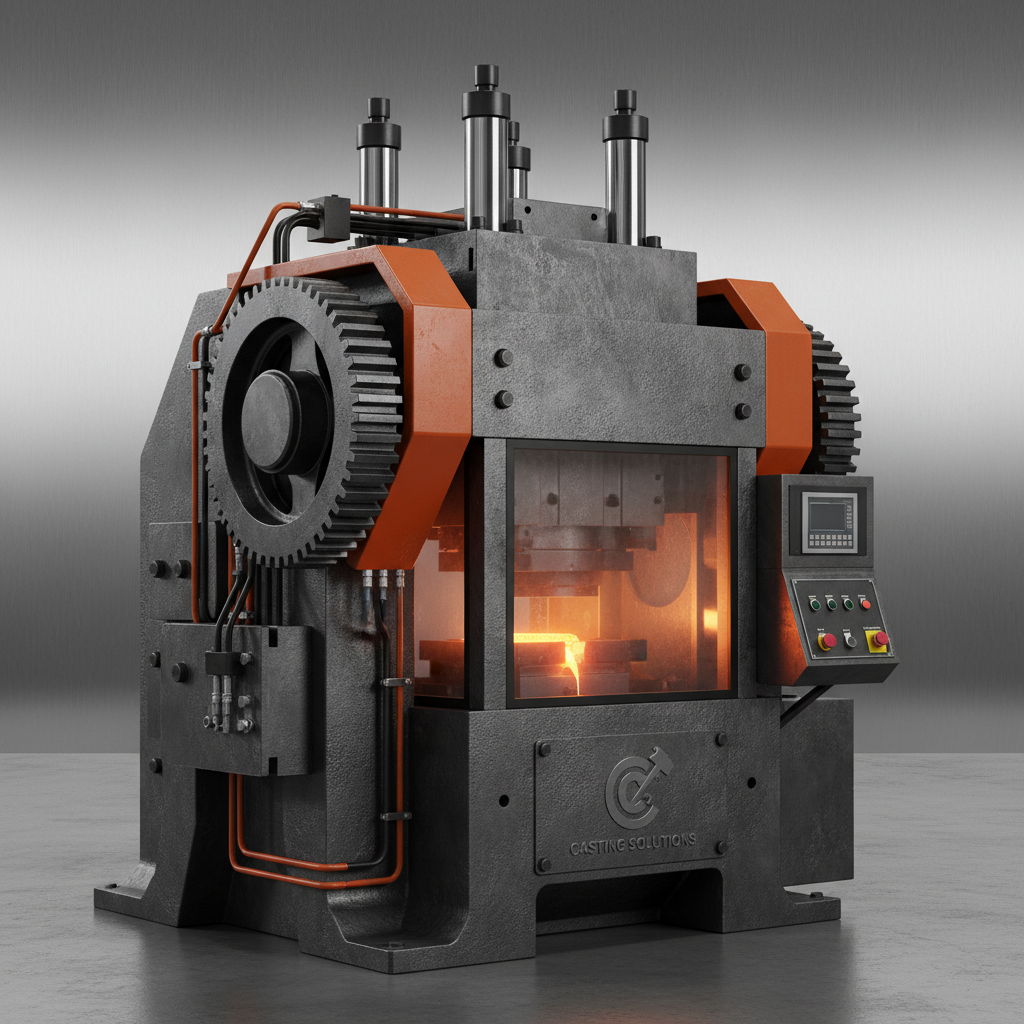
In simple terms, a cleaning chamber is a sealed unit designed specifically to clean, disinfect, or sterilize items automatically, often using a combination of spray nozzles, heat, or ultrasonic waves inside. Picture a high-tech, enclosed wash bay, but aimed at the precise demands of industrial or medical gear.
These chambers connect today’s push for hygiene with the necessity to minimize human error and speed up cleaning routines at scale. Whether it’s surgical tools, aerospace parts, or electronics, cleaning chambers help meet strict standards while improving turnaround times. Oddly enough, their role isn’t just technical but also quite humanitarian: reducing infections, improving worker safety, and even preserving dignity in disaster relief scenarios where sterile equipment is a lifeline.
---
Core Components That Make Cleaning Chambers Tick
1. Durability & Material Choice
A reliable cleaning chamber often uses stainless steel or specialized polymers resistant to corrosion and high temperatures—because a chamber that degrades quickly is more a hazard than a help.
2. Scalability and Size Options
Some cleaning chambers are compact for bench-top use; others can house entire pallets. This scalability means you’re not stuck with a one-trick pony, especially if your production or relief efforts fluctuate in scale.
3. Energy Efficiency
With increasing green regulations, many manufacturers opt for models that recycle heat or use eco-friendly cleaning agents, reducing overall carbon footprints.
4. Automation & Control Systems
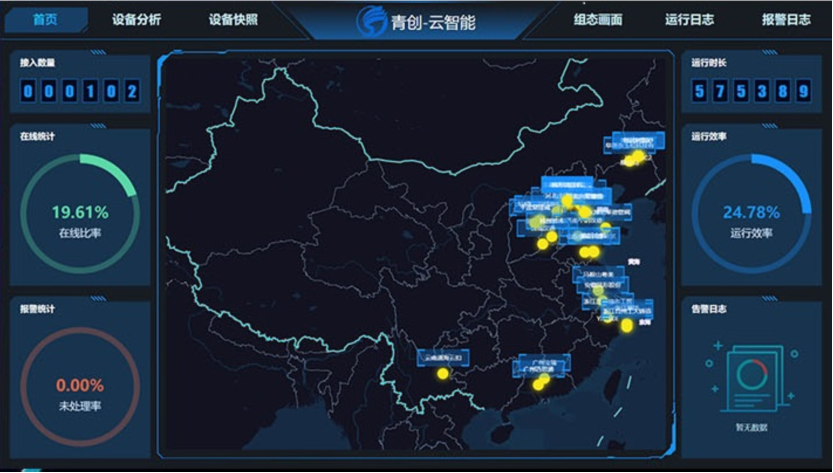
Modern chambers boast programmable interfaces with remote monitoring capabilities — so much for the “set it and forget it” myth. Real-time data means better quality assurance and fewer surprises.
5. Compliance & Certification
Certifications like ISO 14644 standards (cleanroom equipment) or EPA registration for disinfectant use can be dealbreakers for some industries, representing not just compliance but trust.
---
Mini Takeaway:
Durability, flexibility, energy efficiency, automation, and compliance form the backbone of effective cleaning chambers. These aren’t just buzzwords—they directly impact uptime and cost-effectiveness.
---
Global Applications: Where and How Cleaning Chambers Prove Their Worth
Across continents and industries, cleaning chambers are indispensable. In healthcare, hospitals in Europe and North America rely on them daily for sterilizing surgical instruments — a frontline defense against infection.
In remote industrial zones in Africa and South Asia, modular cleaning chambers help keep water and air filtration equipment uncontaminated, thus supporting critical infrastructure.
The aerospace and semiconductor industries worldwide use cleaning chambers to maintain part integrity, a process so sensitive even microscopic particles can cause costly failures.
A compelling example is during post-disaster relief operations in Southeast Asia, where portable cleaning chambers ensure that medical devices remain sterile despite challenging environments. Here, they help uphold not just technical performance but dignity and hope.
---
Advantages & Long-Term Value of Cleaning Chambers
-
Cost-effectiveness: While initial investments vary, many engineers say the ROI appears in reduced contamination rates and less downtime.
-
Sustainability: Modern chambers often integrate water and energy recycling—supporting greener operations.
-
Reliability & Safety: They standardize cleaning so workers deal with less hazardous manual scrubbing, reducing injury.
-
Social impact: Especially in healthcare and humanitarian contexts, they elevate safety and trust, crucial intangibles.
-
Innovation: The combination of automation with precise cleaning capabilities elevates operational standards.
---
Future Trends in Cleaning Chamber Technology
The horizon gleams with tech advances like IoT integration allowing predictive maintenance, greener solvents replacing harsh chemicals, and automations that adapt cycles based on load size or contamination type.
Looking ahead, solar-powered or hybrid energy models might become more common, especially for off-grid applications. Additionally, the use of AI to optimize cleaning parameters is an exciting possibility.
Oddly enough, regulatory shifts will also push development—stricter cleanroom standards or post-pandemic hygiene awareness could accelerate adoption worldwide.
---
Challenges & How Industry Leaders Are Tackling Them
Current limitations include:
- High upfront costs, often deterring smaller businesses.
- Operational complexity, demanding skilled personnel.
- Size constraints versus growing demand for flexibility.
Experts recommend:
- Modular designs to tailor sizes.
- User-friendly interfaces to lower training barriers.
- Flexible financing models encouraging adoption.
---
Cleaning Chamber Product Specification Table
| Feature |
Standard Model |
Advanced Model |
| Dimensions (W×D×H) |
1.2m × 0.8m × 1m |
2m × 1.2m × 1.5m |
| Cleaning Method |
High-pressure spray |
Ultrasonic + UV sterilization |
| Material |
Stainless steel |
Corrosion-resistant alloy |
| Energy Consumption |
1.2 kWh/cycle |
0.8 kWh/cycle (Eco mode) |
| Automation Level |
Basic digital panel |
Touchscreen + remote monitoring |
---
Vendor Comparison: Who Does What Best?
| Vendor |
Price Range |
Specialty |
Global Reach |
Customer Support |
| CleanTech Industries |
$$$ |
High-end customized chambers |
Worldwide |
24/7 on-call |
| SterilPro Solutions |
$$ |
Healthcare & pharma focus |
Europe, Asia |
Extensive training programs |
| EcoClean Corp |
$ |
Affordable energy-efficient models |
North America, Latin America |
Responsive online support |
---
FAQs: What You’re Really Wondering About Cleaning Chambers
Q1: How long does it take to clean items in a typical cleaning chamber?
A typical cleaning cycle lasts between 15 to 45 minutes, depending on the contamination level and chamber sophistication. Ultrasonic plus UV sterilization can speed up the process while ensuring thorough cleaning.
Q2: Can cleaning chambers handle fragile or heat-sensitive equipment?
Yes, many modern cleaning chambers feature adjustable settings, allowing gentle cycles using lower heat or ultrasonic technology, preventing damage while maintaining cleanliness.
Q3: What maintenance do cleaning chambers require?
Regular cleaning of internal surfaces, periodic filter replacements, and software updates are typical. Some advanced chambers offer self-diagnostic features, making maintenance easier to manage.
Q4: Are cleaning chambers suitable for mobile or off-grid applications?
Portable, energy-efficient models are becoming available, ideal for disaster relief or remote industrial sites. Some can run on battery or solar power, expanding their usability.
Q5: How do I ensure a cleaning chamber meets industry standards?
Look for certifications such as ISO 14644 or compliance statements regarding EPA-registered disinfectants. Vendor support with documentation can also reassure buyers of compliance.
---
Wrapping It Up: Why Now Is the Time to Invest in a Cleaning Chamber
At the end of the day, the cleaning chamber is a quiet hero powering safer medical procedures, more resilient industries, and even humanitarian aid missions. Investing in one means buying peace of mind, operational efficiency, and long-term sustainability.
So, if you want to upgrade your hygiene protocols or support critical operations in challenging environments,
check out our range of cleaning chambers. Because cleanliness isn’t just health—it’s trust, reliability, and sometimes, life itself.
---
References
- ISO Cleanroom Standards
- WHO Infection Prevention
- United Nations Environmental Programme