Release Time:2025-12-02
If you're in manufacturing or foundry work, the automatic sand molding machine is a name that keeps cropping up—and for good reason. Globally, demand for precision, speed, and efficiency in metal casting processes has skyrocketed. According to recent data from the International Organization for Standardization (ISO), over 80% of industrial metal components involve some form of sand casting, where molding plays an integral role. The automation of this process promises not only better quality control but also increased throughput, less waste, and safer working conditions.
In real terms: understanding how these machines operate is becoming critical—not just for large foundries but also for smaller manufacturers looking to gain an edge. Plus, the ripple effect on sustainability and labor welfare can't be overstated. It’s not just a piece of machinery—it’s part of a quiet industrial revolution.
Manufacturing has undeniably entered a new era. For example, the World Bank reports a significant rise in the global production of cast metals over the last decade, particularly in Asia and Europe. Yet, this comes with its challenges: traditional sand molding is labor-intensive, prone to inconsistency, and environmentally taxing.
Here’s where automation steps in. Automatic sand molding machines address these pain points by ensuring uniformity, reducing human error, and speeding up production cycles. In regions with rising labor costs or worker safety concerns—think Eastern Europe or parts of China—these machines aren’t a luxury but more like necessities.
Still, even with this progress, issues like equipment cost, maintenance, and adaptability remain on the table. Which is why the right balance between tech and practical deployment is key.
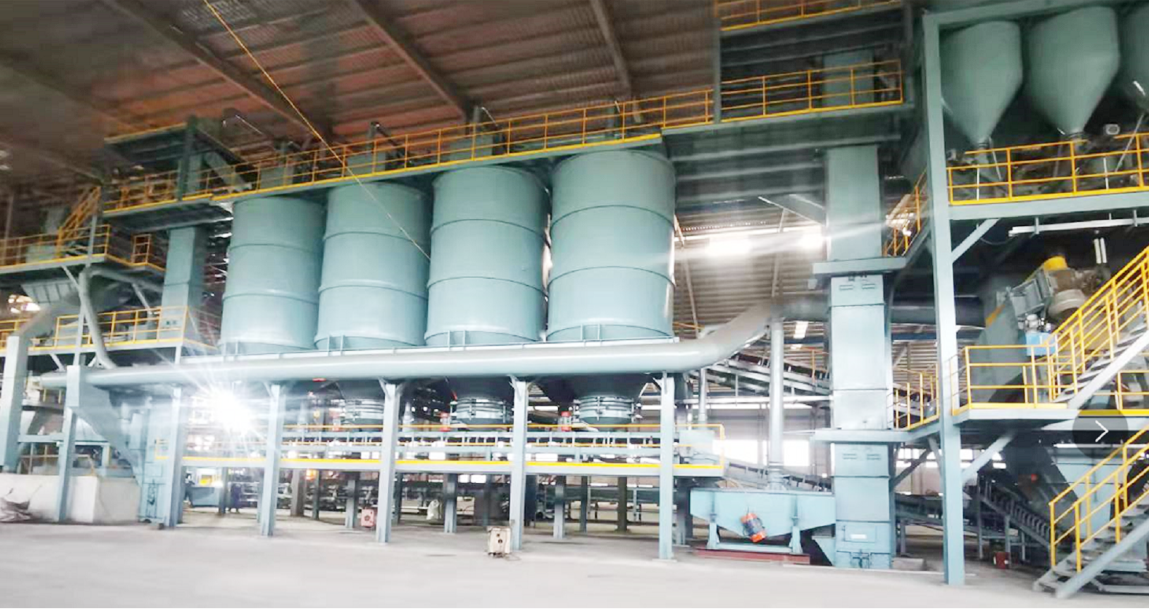
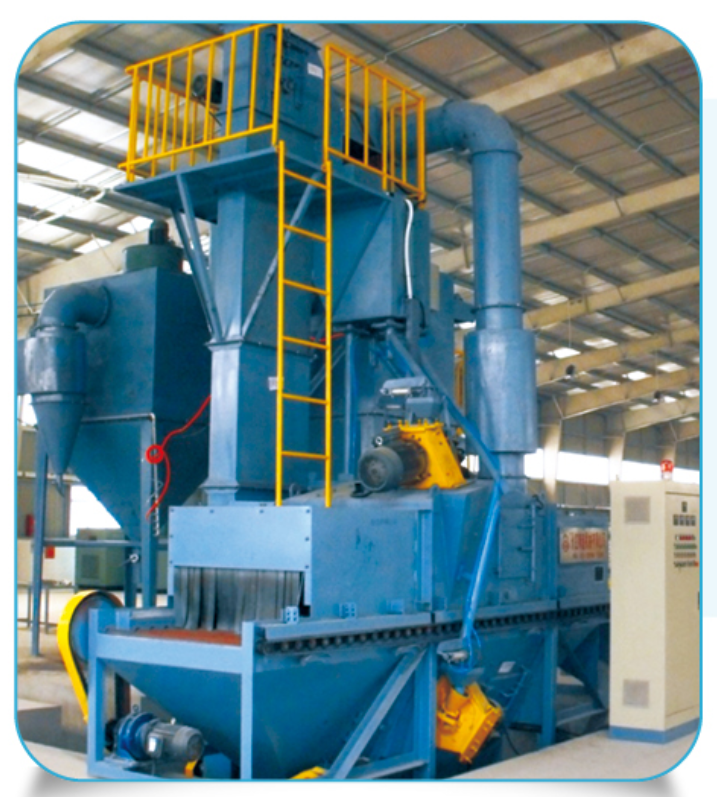
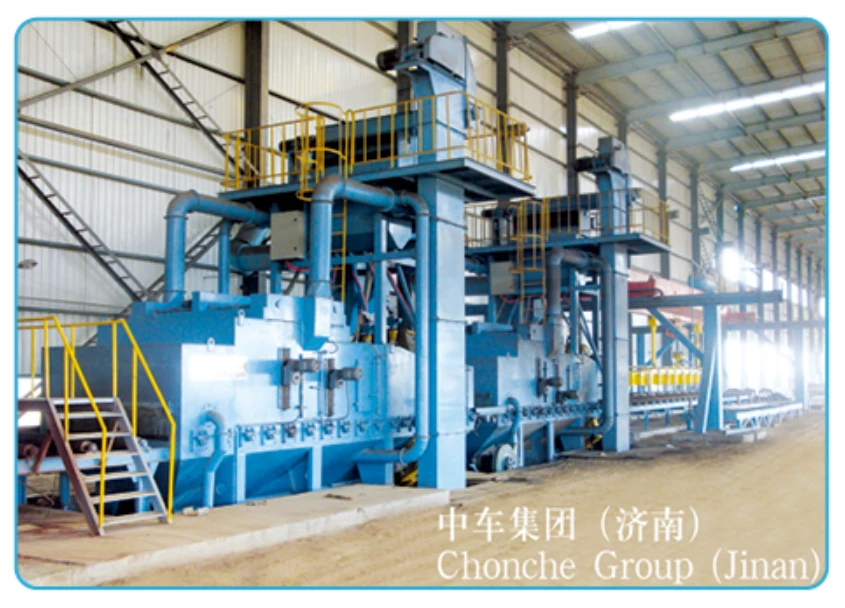
Simply put, an automatic sand molding machine is a mechanized system designed to prepare sand molds for casting metals without manual intervention. Think of it as giving centuries-old sand casting a cognitive upgrade—less sweating over mold shapes, more consistent patterns, and faster turnaround.
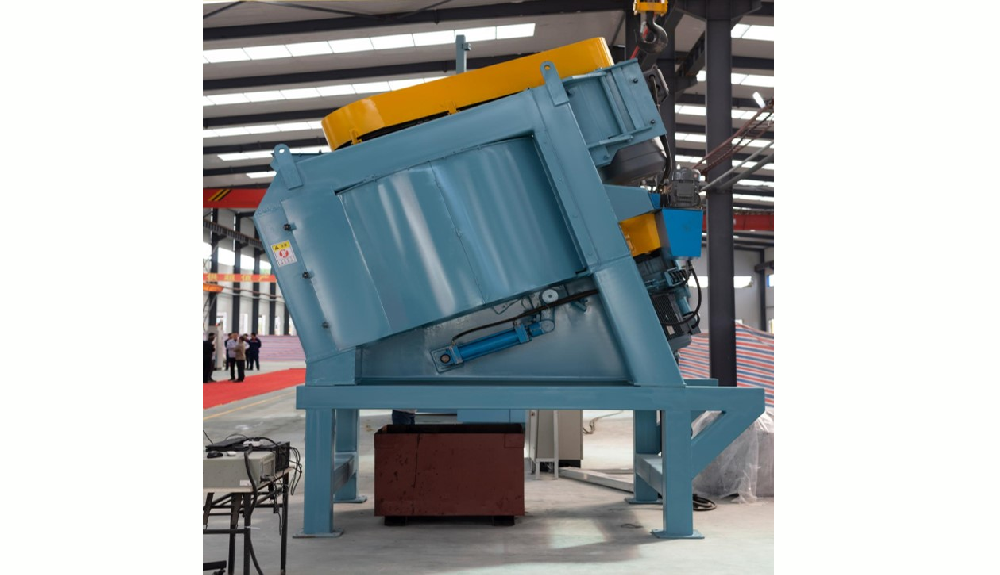
These machines mix and pack molding sand around a pattern, often using pneumatic or hydraulic pressure, then dress and eject the molds ready for molten metal pouring. It’s a blend of engineering and automation that reflects modern manufacturing’s demands for precision and volume.
Interesting note: the rise of these machines serves both heavy industries and emerging ones, from automotive to aerospace components manufacturing, and even humanitarian engineering projects where rapid fabrication of metal parts is needed under tough conditions.
These machines face dusty, abrasive environments. So, the frame and moving parts are typically made from hardened steel and treated for corrosion resistance. Engineers I've talked to agree that machine uptime often rides on solid build quality.
From small batch workshops to large plants, these machines can often be configured for different mold sizes and volumes. Automated cycles cut molding time drastically compared to manual methods, often achieving 2–3 molds per minute.
Modern models sport computerized controls allowing fine-tuning of sand compaction, mold venting, and pattern handling. Such precision reduces casting defects, saving costs and rework time.
While robust, many designs incorporate energy-saving drives and compressed air recycling, helping reduce their environmental footprint—a point usually overlooked.
Sanding technology is constantly evolving. Machines often can handle different sand mixes—green sand, resin-coated, or chemically bonded—to suit various casting requirements.
In short, the automatic sand molding machine is no longer just a “nice to have”. Its durability, speed, precision, eco-friendliness, and versatility are increasingly non-negotiable features in modern foundries.
This technology is far from limited to a rare few factories. For instance:
These examples underscore how the technology bridges the gap between heavy industry and humanitarian need, making it all the more relevant.
| Feature | Specification | Notes |
|---|---|---|
| Mold Size Range | Up to 1500 x 1200 mm | Suitable for automotive parts |
| Cycle Time | 20–30 seconds per mold | Depends on sand type & mold complexity |
| Sand Type Compatibility | Green, resin, chemically bonded | Flexible for diverse production needs |
| Control System | PLC + HMI touch panel | User-friendly with recipe storage |
| Power Requirements | 380 V, 50 Hz, 12 kW | Industrial standard |
| Vendor | Features | After-sales Support | Price Range |
|---|---|---|---|
| Yonghong Foundry Equipments | High precision, energy-efficient, customizable | Excellent, global reach | $$$ |
| Disa Machinery | Modular designs, easy integration | Strong regional support | $$ |
| F.C. Schwab | Robust engineering, high throughput | Limited outside Europe | $$$ |
We’re on the cusp of integrating artificial intelligence and IoT sensors into automatic sand molding machines, allowing real-time mold quality diagnostics and predictive maintenance. From a materials standpoint, greener, biodegradable sand binders are evolving, reducing environmental impact.
Digital twin simulations of sand mold formation are also starting to enter the scene. The future feels almost sci-fi, but in real terms, it means fewer defects and more finely tuned production.
Of course, these machines aren’t perfect. High upfront costs can deter smaller foundries. Maintenance requires skilled technicians, and sometimes changing sand types means recalibrating the whole system.
But many vendors now offer flexible financing and modular upgrades. Remote diagnostics reduce downtime. Plus, workforce training programs are becoming standard to smooth transitions.
With environmental pressures, rising labor costs, and demand for superior casting quality, the automatic sand molding machine feels less like a futuristic luxury and more like a must-have tool. Its combination of durability, efficiency, and adaptability makes it a solid investment for foundries aiming to future-proof their operations.
Whether you're a veteran plant manager or a start-up engineer, dipping a toe into automation here could unlock new operational levels — faster, cleaner, safer.
Ready to explore your options? Visit automatic sand molding machine and see what’s possible.
Automatic sand molding machines represent the perfect storm of technical innovation meeting practical industrial needs. Keeping an eye on vendors, specs, and evolving tech can make all the difference in your foundry’s next chapter.