Release Time:2025-12-02
Automatic moulding machines — sounds like a mouthful, doesn’t it? But these clever pieces of industrial tech quietly power much of today’s manufacturing, construction, and even humanitarian aid sectors. At its core, an automatic moulding machine automates the process of shaping raw materials into precise forms, dramatically increasing speed and consistency. In a world increasingly demanding efficiency, sustainability, and rapid deployment, understanding these machines matters. They’re behind everything from building components and automotive parts to emergency shelter molds. The global market for automatic moulding machines is growing steadily — driven by trends in automation, industrial innovation, and green building techniques.
Mini takeaway: Automatic moulding machines aren’t just industrial workhorses; they’re essential tools in creating faster, greener, and more reliable production worldwide.
We’re living in a time where industrial efficiency and sustainability don't just sit on opposite ends of a spectrum; they’re intertwined mandates. According to the International Organization for Standardization (ISO), the manufacturing sector is responsible for roughly 20% of global CO2 emissions, pushing manufacturers to embrace eco-friendly solutions [1]. That’s where automatic moulding machine technology steps in. The industrial automation market, valued at USD 140 billion in 2023, anticipates a steady, double-digit growth — largely credited to advancements in automatic moulding automation which lower waste and boost resource efficiency [2].
Yet, a big challenge remains: how to maintain quality and speed without inflating costs or environmental impacts. Automated moulding systems can tackle this by standardizing production cycles, employing smarter controls, and integrating cleaner power sources — carefully balancing all these factors. This makes them invaluable in both developed and developing markets hungry for scalable, cost-effective manufacturing solutions.
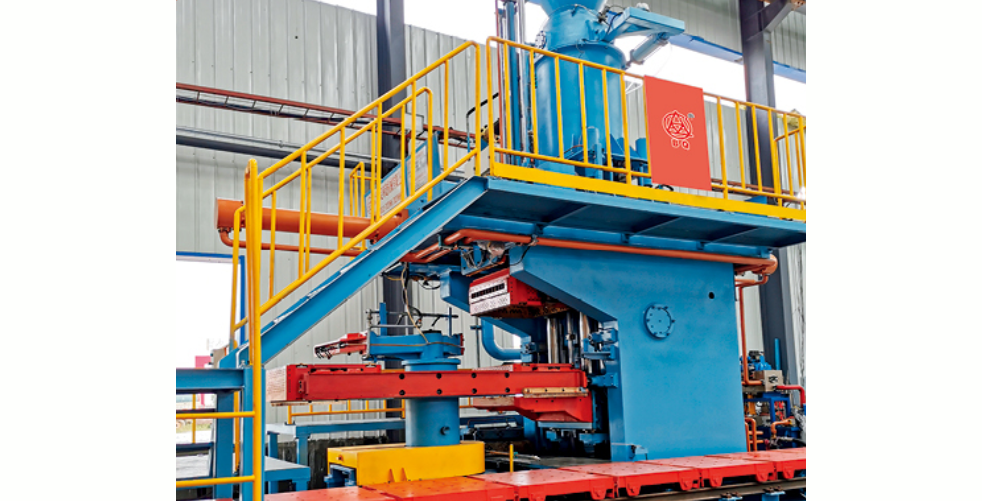
Simplified, an automatic moulding machine is a device designed to shape raw materials like sand, plastic, metal, or concrete into a moulded product — automatically. Instead of manual labor shaping each item individually, these machines precisely mold at high speed with little human intervention.
Think of it as a maestro conducting an orchestra, ensuring every note, or in this case every mould, hits the right pitch perfectly. Automatic moulding machines fit right into modern manufacturing pipelines, enabling mass production with tight tolerances. From car bumpers to precast concrete panels for housing, their applications are vast.
Interestingly, their connection extends beyond just industry—they feature in humanitarian engineering too. For example, rapidly moulded concrete blocks facilitate quick construction of durable shelters in disaster zones, offering a lifeline in crisis.
Since moulding often involves complex shapes, the machine's ability to reproduce each piece identically is crucial. This means advanced sensors and servo controls that minimize variability — a must when safety is involved.
These machines operate under rough conditions and with abrasive materials. High-quality steel frames and resistant components help ensure years of reliable service. Also, the machine must handle different raw materials — from fine polymers to coarse sand mixtures.
Faster cycle times mean manufacturers meet demand without massive labor costs. Automatic moulding machines can shape hundreds or even thousands of units daily, a significant upgrade over manual casting.
Ease of use reduces downtime and training costs. Many modern machines come with intuitive interfaces, programmable logic controllers (PLCs), and connectivity options for Industry 4.0 compliance.
The best machines use less power by optimizing motors and actuators, which aligns with growing global energy-saving mandates.
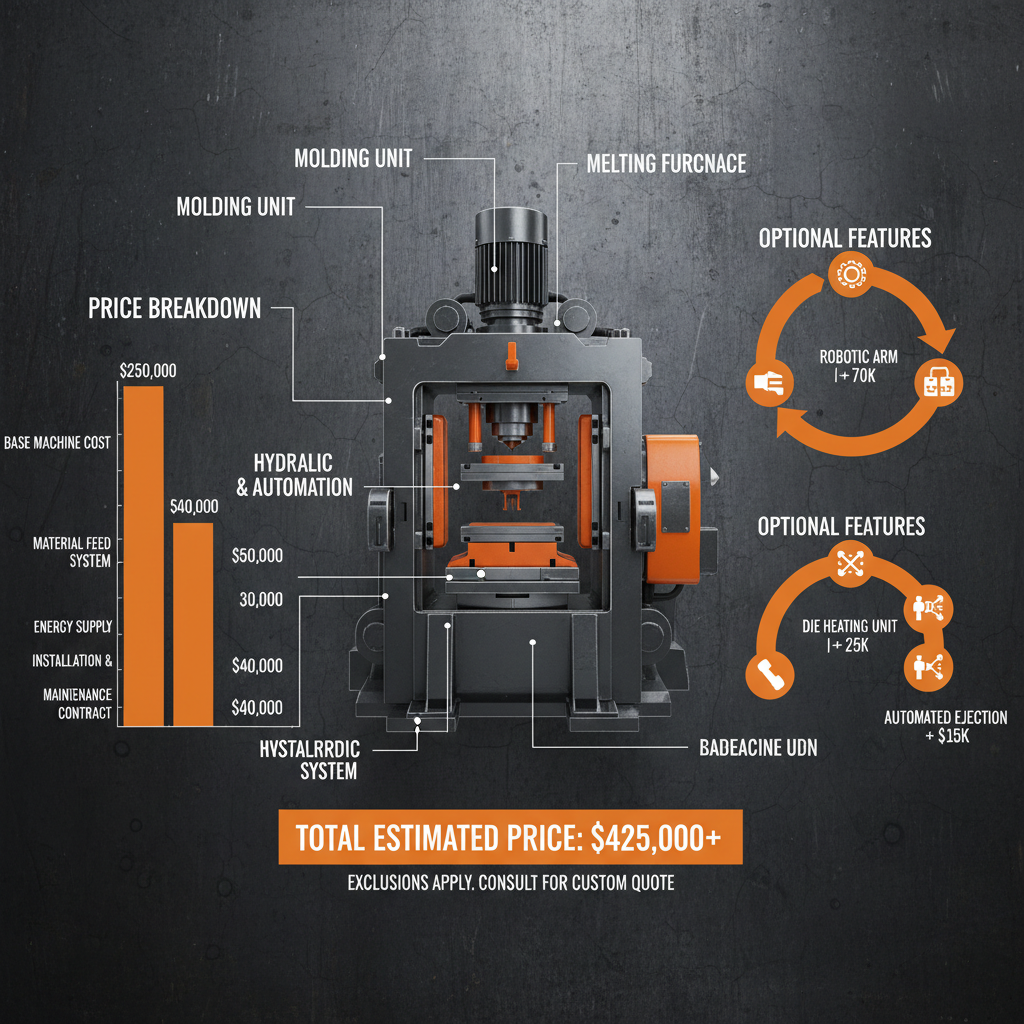
| Specification | Typical Value | Notes |
|---|---|---|
| Moulding Cycle Time | 15 - 60 seconds | Depends on model and material |
| Max Mould Size | 1000 x 800 mm | Suitable for medium-scale products |
| Power Consumption | 5 - 12 kW | Energy-saving controls available |
| Automation Level | Fully automated | Includes feedback and error correction |
| Weight | 800 - 1200 kg | Varies with frame and attachments |
Mini takeaway: If you’re hunting for an automatic moulding machine, keep an eye on precision, speed, durability, and how well it fits your production line.
These machines crank out essential parts in just about every manufacturing hotspot. For instance, in China and India, they’re pivotal in mass-producing plastic components, easing affordability for millions. Europe banks on automated moulding to maintain the high precision needed for automotive and aerospace parts.
Humanitarian efforts, too, lean on these machines. Post-earthquake Nepal, relief agencies used automatic moulded concrete blocks to build quickly, ensuring people had sturdy homes before monsoon season hit. In remote industrial zones, such machines reduce dependence on specialized labor, cutting costs and accelerating timelines.
Another intriguing use is in electronics—where tiny moulded parts need to meet exacting standards with zero tolerances. Japan's precision manufacturing sectors have been early adopters of these automated systems, getting things done fast, while maintaining quality.
Frankly, it’s a win-win: businesses save money and time, workers get safer environments, and customers receive better products. The ripple effect on communities suggests a quiet revolution in manufacturing ethics and standards.
The tech world never sleeps. Among future trends, expect to see increased digital transformation, with IoT devices monitoring machines in real time to preempt maintenance needs. Green energy-powered models — solar or hybrid — are also on the rise, especially critical in regions with unreliable power grids.
Material science innovations are enabling machines to mould biodegradable and recycled plastics. A bit poetic, isn’t it? Machines making products that can, in a way, give back to the earth.
One common hurdle is upfront capital investment, which can feel steep for small-to-medium enterprises. Integration with existing workflows also demands skilled technicians, which might be a rare commodity in emerging markets. Furthermore, the learning curve of operating advanced systems sometimes slows uptake.
Experts suggest modular machine designs and inclusive training programs as practical solutions. Companies like Yonghong BQ provide customizable setups and remote assistance, making the transition far less daunting. On the policy front, government subsidies aimed at industrial modernization could help too.
| Vendor | Key Strengths | Price Range | Support & Service |
|---|---|---|---|
| Yonghong BQ | Customizable models, excellent training | $$$ (mid-range) | Remote & onsite support |
| MoldPro Industrial | High throughput, advanced sensors | $$$$ (premium) | Comprehensive service packages |
| EcoMould Solutions | Energy efficient & eco materials focus | $$ (budget-friendly) | Online support, installation aid |
In this era of rapid manufacturing evolution, automatic moulding machines have cemented their place as indispensable tools. They blend speed, precision, and sustainability in a neat package, catering to industries and communities around the world. If you’re intrigued by the potential to streamline production and reduce environmental impact, now’s a great time to explore your options. Curious to see what a top-tier automatic moulding machine looks like in action? Check out the offerings at Yonghong BQ — they specialize in tailored solutions ready to meet your unique needs.
It feels like these machines embody the future of manufacturing — fast, reliable, and greener. But the world keeps turning, always bringing new innovations, new challenges, and hopefully, smarter ways to build better.