Release Time:2025-12-02
If you’ve ever wondered what keeps certain complex molds so precise or how industries manage to create intricate metal castings with perfect surfaces, resin coated sand is probably part of the story. Globally, this specialized sand plays a surprisingly essential role across manufacturing, construction, and even humanitarian projects. It’s at the intersection of engineering precision and innovative materials science — offering a blend of strength, flexibility, and environmental friendliness that’s hard to match.
Frankly, resin coated sand is one of those niche materials that barely gets noticed outside of foundry floors and industrial labs — but understanding it unlocks insights into manufacturing efficiency and sustainability efforts worldwide. Let’s dive in.
The manufacturing world is massive — valued in the trillions — and casting metals remains a huge chunk of that. According to industry reports, more than 70% of metal parts (especially steel and iron) are produced through sand casting methods. These methods require highly specialized molding materials, and that’s where resin coated sand shines.
Interestingly, the casting process relies heavily on materials that can withstand high temperatures, retain fine details, and be reused economically. Resin coated sand ticks most of those boxes, which is why it’s used worldwide—from South Korea’s thriving shipbuilding yards to Germany’s automotive foundries, and even in remote industrial zones in Africa and South America where durability and cost efficiency are paramount.
But beyond pure manufacturing, the problem it helps solve is pretty relevant: conventional sand molds can fail easily or lead to contaminated final parts. Resin coated sand offers a solution by binding grains with a durable yet environmentally friendly resin, reducing defects and waste.
To keep it simple: resin coated sand is essentially natural silica sand with a thin film of resin coated onto each grain. This resin acts as a binder — making the sand grains stick together when compacted into molds — allowing complex shapes to be formed and maintaining their stability during metal casting. It’s kind of like the difference between dry snow and packed snow that can hold a snowball shape.
This material is integral to modern industry because it improves mold strength and surface finish quality while enabling faster manufacturing cycles. Interestingly, it also supports environmental efforts since the sand can often be reclaimed and recycled, lowering raw material use.
The base sand’s grain size, shape, and purity are critical. Rounded grains flow well, yielding smooth molds, while angular grains provide higher strength. The chemistry determines how well it binds with the resin and how it reacts under intense heat.
Usually a type of phenolic or furan resin, this thin binder layer is responsible for the sand grains sticking together. The resin must withstand not only compaction forces but also the thermal shock when molten metal hits the mold.
A chemical additive triggers the resin to cure (or harden). The curing process’s timing and temperature sensitivity are tuned to ensure molds form reliably but don’t cure too soon, which would cause defects.
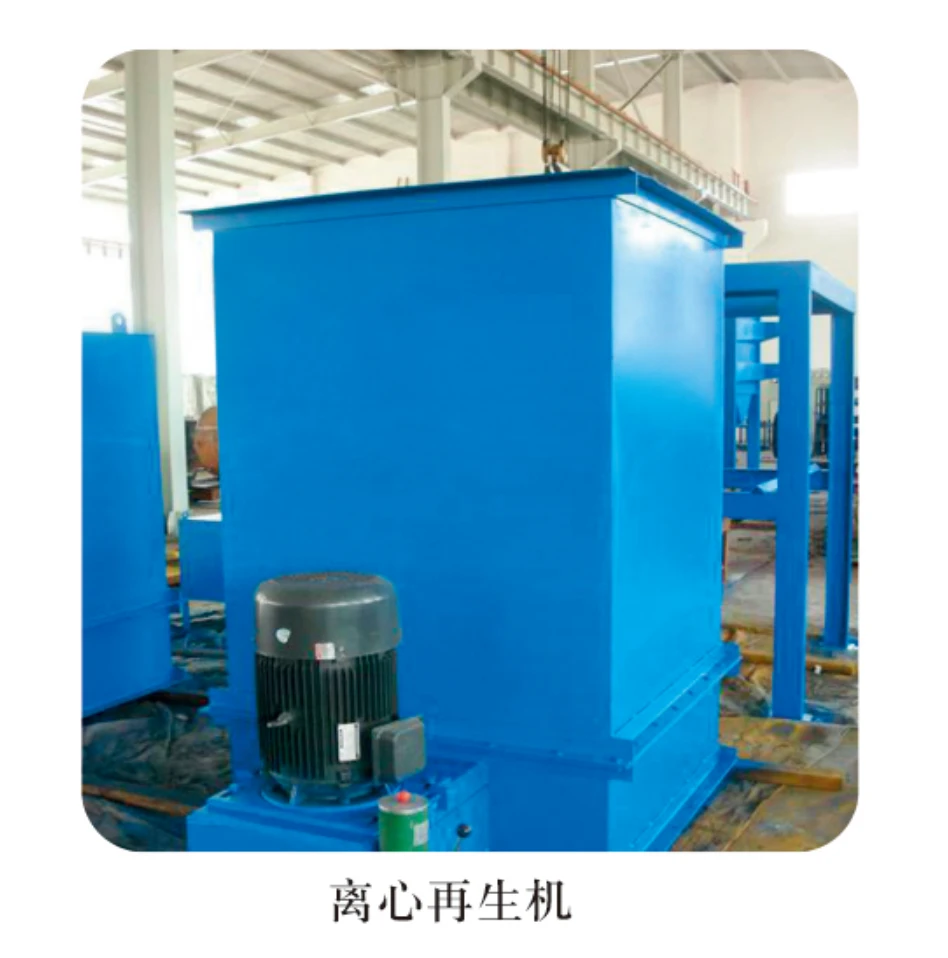
Though not always considered a component, the ability to reclaim and reuse resin coated sand is huge for cost efficiency and sustainability, as leftover or broken molds can be “recycled” after special processing.
Resin coated sand finds its way into an impressive variety of industries and geographies:
For example, in the German automotive plants, where production speed and quality are king, resin coated sand molds lead to fewer rejections and faster turnaround. Meanwhile, foundries in India use locally produced resin coated sand blends to lower costs without compromising durability.
Resin coated sand’s global footprint extends from high-tech automotive hubs to developing industrial areas, proving both adaptable and essential.
You might wonder: beyond just “holding sand together,” what’s so special?
| Specification | Typical Value | Notes |
|---|---|---|
| Sand Grain Size | 150–300 microns | Depends on casting precision |
| Resin Type | Phenolic / Furan | Varies by use case |
| Resin Content | 1.0% – 2.0% | By weight |
| Mold Hardness (Shore A) | 70–85 | Ensures mold stability |
| Reclaim Rate | Up to 85% | Post-processing possible |
| Vendor | Product Range | Reclaimability | Typical Lead Time | Key Markets |
|---|---|---|---|---|
| Yonghong BQ | Resin Coated Sand (Phenolic & Furan) | Up to 85% | 2–4 weeks | Asia, Europe |
| SandTech Global | Phenolic Coated Sand (Standard) | 65–75% | 3–6 weeks | North America, Europe |
| EcoSand Solutions | Biodegradable Resin Sands | 50–60% | 4–8 weeks | Europe, Australia |
One exciting thing is how the resin coated sand landscape is evolving with a clear eye on sustainability and automation. Green chemistry initiatives are pushing vendors to develop binders derived from biological sources — potentially reducing volatile organic compound (VOC) emissions and improving biodegradability. That’s kind of a big deal when you think of industrial sand coatings.
Additionally, the rise of digital foundries equipped with AI-driven process controls means resin coated sand blends are increasingly customized for micro variations depending on the part being cast, the metal chosen, and environmental factors. Imagine a mold that’s “designed” in resin chemistry to optimize cooling speed and strength simultaneously — that’s roughly where things are headed.
Robotics and automation in the molding process also reduce human error and contamination, improving mold quality and safety. That, coupled with enhanced recycling tech, promises a full circular economy approach even in heavy industries.
Now, things aren’t perfect. For one, batch inconsistency can cause defects, especially if sand or resin quality drops. Also, despite reclaimability, spent sand once used multiple times can degrade, leading to higher waste rates.
Expert metallurgists say that investing in real-time quality monitoring and partnering with reliable suppliers dramatically improves outcomes. Plus, breakthroughs in resin chemistry aim to extend reuse cycles and minimize environmental impact — making the process greener over time.
In real terms, resin coated sand is a behind-the-scenes hero of modern industry. It blends chemistry, engineering, and environmental awareness in a way that helps deliver higher quality, more sustainable metal castings. Whether you’re working in automotive, aerospace, or even post-disaster infrastructure rebuilding, it’s a material worth understanding.
Curious to explore high-quality resin coated sand and see how it might benefit your operations? Visit our website for detailed product info and a consultation. After all, innovation starts with knowing the right materials.