Release Time:2025-12-03
We live in a world increasingly stitched together by data, devices, and digital decisions. The term IoT cloud might sound a bit techy, but it’s at the heart of how industries, governments, and even humanitarian efforts operate smarter, faster, and more efficiently. By connecting everyday objects — from factory machinery to home thermostats — via the internet, and then managing them through cloud platforms, we unlock enormous benefits: real-time monitoring, remote control, predictive maintenance, and data-driven insights that can save time, money, and even lives.
Global reliance on IoT cloud solutions isn’t just a trend, it’s becoming foundational to ongoing progress across sectors. Meaningful mastery of this concept offers a competitive edge and a lens into the future’s digital fabric.
Smart industries and smart cities flourish with the support of IoT cloud ecosystems. According to a recent World Bank report, digital transformation investments including IoT infrastructure will add trillions in productivity worldwide by 2030. Meanwhile, the United Nations highlights how IoT-cloud enabled technologies advance sustainable development goals (SDGs), particularly in areas like climate resilience and public health.
However, the challenge remains: how do we manage and interpret mountains of data from billions of connected “things” efficiently, securely, and cost-effectively? This is where the IoT cloud shines—in providing a scalable, resilient platform that turns raw data streams into actionable outcomes.
At its core, IoT cloud is a combo of two things:
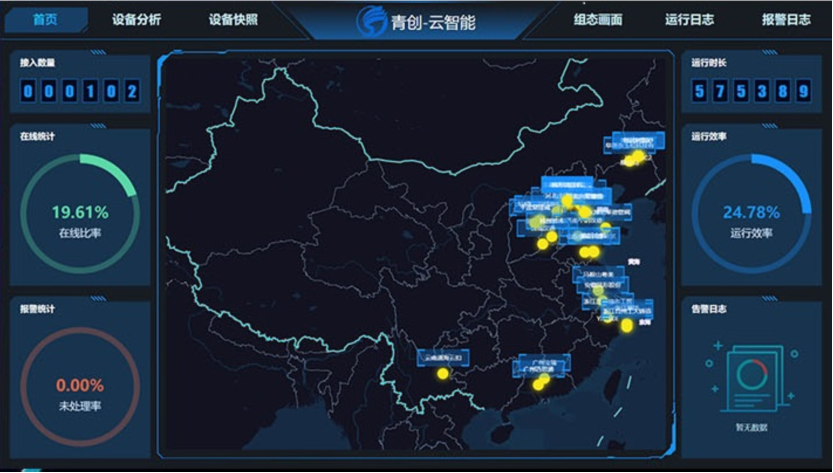
Put together, IoT cloud platforms collect massive data from connected devices, perform analytics, and deliver control commands — all over the internet. Whether it’s monitoring air quality via sensors or optimizing logistics fleets, this integration is what makes modern smart solutions tick.
IoT cloud isn't just for tech geeks. Governments use it for urban planning, farmers for precision agriculture, and hospitals for remote patient monitoring. In humanitarian efforts, real-time data gathered on the cloud can guide aid workers in disaster zones, saving crucial hours.
One of the biggest perks? The ability to smoothly handle growth — from dozens to millions of connected devices — without hiccups. This flexibility is essential as initiatives expand or new data-heavy use cases emerge.
IoT systems are tempting targets for cyber-attacks. Hence, strong encryption, user authentication, and compliance with standards like ISO 27001 are often baked in to protect sensitive data and maintain trust.
Cloud platforms don't just store data—they analyze it. Incorporating AI helps spot trends, predict failures, and automate responses, boosting operational efficiency significantly.
Given the diversity of IoT devices and protocols, the cloud must seamlessly interface with multiple systems. This ease of integration avoids vendor lock-in and encourages innovation.
Cloud-based management reduces the need for heavy on-premise infrastructure, lowering upfront investments and maintenance costs.
IoT cloud services typically operate across redundant data centers ensuring uninterrupted service—a must for mission-critical applications.
Let’s peek into some tangible implementations:
Asia-Pacific leads IoT cloud adoption, driven by smart city projects and manufacturing. Europe focuses on stringent privacy and sustainability, while North America emphasizes AI integration.
Integrating IoT cloud systems delivers more than just efficiency—it touches safety, environmental stewardship, and quality of life. Some benefits:
Emotionally, there's reassurance in knowing infrastructure or services can “hear” and respond, even remotely. Trust builds when systems prove reliable and transparent.
What’s next for IoT cloud? A few directions to keep an eye on:
Not all is rosy. Some hurdles include:
Industry experts recommend modular platforms with open standards, layered security frameworks, and advanced data filtering techniques as effective countermeasures. Keeping pace with evolving threats and tech requires ongoing vigilance but pays off handsomely.
| Feature | Specification |
|---|---|
| Device Support | Up to 10 million concurrent devices |
| Data Throughput | 100,000 messages/sec |
| Latency | Below 100 milliseconds (typical) |
| Security Protocols | TLS 1.3, OAuth 2.0, Device Authentication |
| Data Storage | Multi-region encrypted cloud storage |
| AI & Analytics | Built-in machine learning frameworks |
| Provider | Scalability | Security Features | AI Integration | Pricing Model |
|---|---|---|---|---|
| Provider A | Up to 15 million devices | End-to-end encryption, automated threat detection | Custom ML algorithms | Pay-as-you-go |
| Provider B | Up to 8 million devices | OAuth 2.0, regular audits | Integrated AI Studio | Subscription-based |
| Provider C | Up to 12 million devices | TLS 1.3, multi-factor authentication | Pre-built AI modules | Hybrid pricing |
The IoT cloud is more than just technology; it’s a catalyst for transforming how we live and work. By enabling seamless data gathering, insightful analytics, and responsive automation, it addresses a diversity of challenges at scale — from industrial efficiency to humanitarian relief. As we move deeper into the digital age, embracing these platforms isn’t a luxury, but a necessity for resilient, innovative, and sustainable operations.
If you’re ready to explore the potential of IoT cloud solutions tailored to your needs, don’t hesitate to reach out or dive deeper at iot cloud. After all, the future is connected, and the better we harness that connection, the smarter our world will become.
Sometimes the simplest idea—things talking to the cloud—can unlock endless possibilities. It’s kind of elegant, really.