Release Time:2025-12-02
Sand casting sand might sound like something metalworkers mumble about in workshops, but honestly, it’s a cornerstone of industrial manufacturing worldwide. Think about it—just about every major infrastructure, vehicle, or piece of machinery around you was once shaped by molten metal poured into sand molds. The humble sand plays a massive role, quietly ensuring that metals take their precise form efficiently and affordably.
Globally, the foundry industry depends heavily on quality sand casting sand. As manufacturing scales up — whether in China, India, Europe, or North America — the need for reliable, reusable, and sustainable sand casting materials grows too. Getting a grip on what sand casting sand really entails helps engineers, manufacturers, and supply chain folks optimize processes and reduce costs. Plus, understanding this material’s role shines a light on sustainability challenges and innovation opportunities in heavy industry.
In 2022, global foundry production was valued at over $100 billion, with sand casting processes accounting for roughly 70% of all metal castings [1]. What’s odd, though, is how much the industry leans on a naturally abundant but surprisingly complex resource: sand. As you might expect, not all sand fits the bill. There’s actually a fine art and science behind selecting sand that meets strength, permeability, and heat resistance specs.
The challenge? The demand for sand casting sand is colliding with environmental pressures. Industrial sand mining has led to habitat losses and rising costs. Meanwhile, foundries push for sands that can be recycled without losing quality. It’s a delicate balancing act, built on decades of trial, error, and innovation.
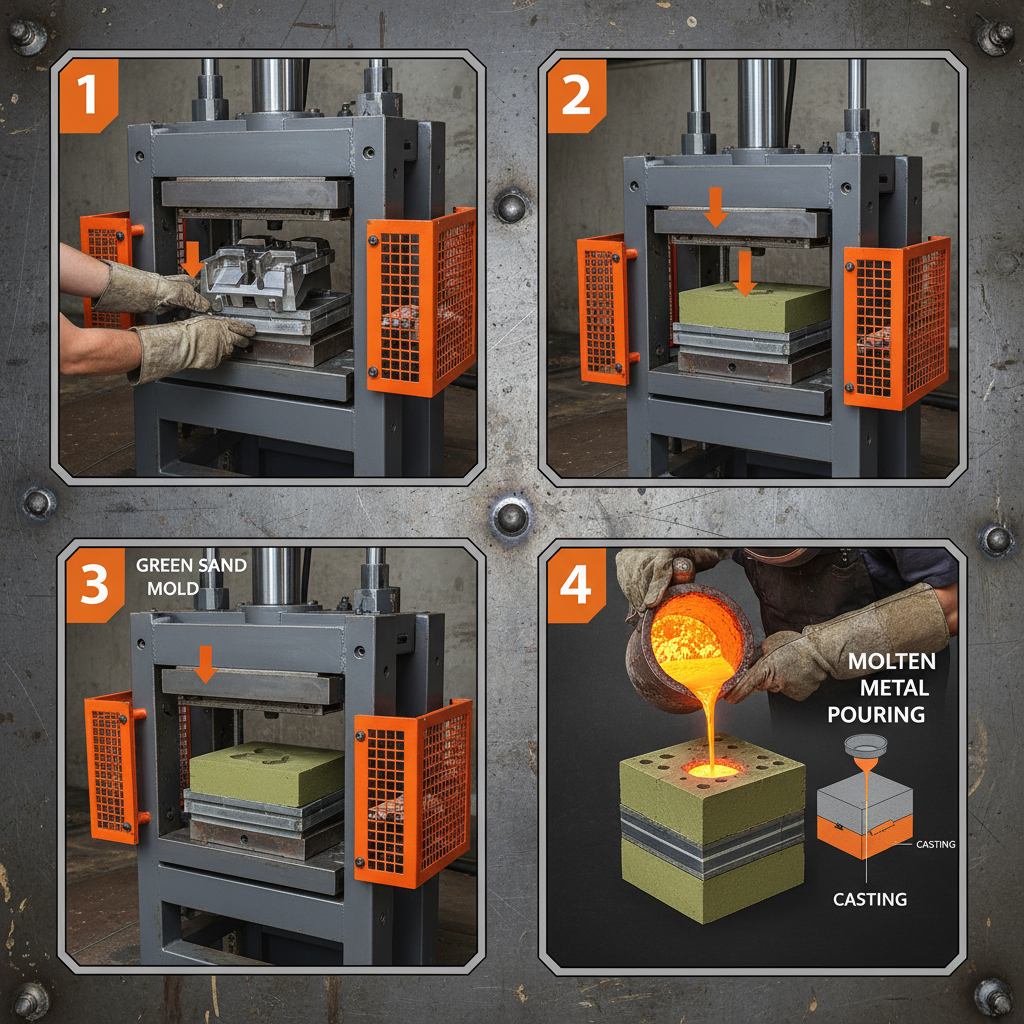
So simply put, sand casting sand is a specialized type of sand used to form molds into which molten metal is poured. Once cooled, these sand molds break away to reveal the metal casting in its desired shape. Effective casting sand offers a mix of grain size, shape, thermal stability, and chemical inertness to withstand the intense heat and mechanical stress of molten metals.
The connection to modern industry? Everything from automotive parts, pumps, and valves to artistic sculptures. Countries with strong industrial bases, like Germany and the US, heavily depend on local sources of quality sand this way. In humanitarian realms, cast metal components involving this sand appear everywhere too — from water pumps in developing regions to durable housing frameworks.
A uniform yet roughand slightly angular grain helps create molds that hold their shape but also allow gases to escape — essential to avoiding defects.
The sand must tolerate high temperatures — sometimes above 1,300°C — without breaking down or fusing with molten metal.
Allowing gases formed during casting to escape quickly prevents bubbles and weak spots since trapped gas is enemy number one for metal quality.
Typically silica (SiO2)-based but sometimes with added clays or binders. Impurities jeopardize casting integrity.
Foundries prefer sands that can be reclaimed and reshaped many times, reducing waste and cost.
Sand casting sand’s utility isn’t just workshop jargon; it’s an enabler for industries and communities everywhere.
Across continents, sand casting sand remains a quietly indispensable part of manufacturing—from industrial plants to quick reconstruction projects. Its variability influences everything from product life to environmental impact.
Sure, sand is abundant. But its special form for casting has perks that matter in ways beyond raw cost:
| Property | Typical Range | Unit | Notes |
|---|---|---|---|
| Grain Size (Mean) | 150-400 | μm | Influences mold permeability & surface finish |
| Silica Content | 85-98% | % | Higher percentage preferred for purity |
| Refractoriness | >1700 | °C | Thermal tolerance before deformation |
| Permeability Number | 80-120 | - | Vents gases effectively during casting |
| Clay Binder Content | 5-20% | % | Improves mold strength and cohesion |
| Supplier | Average Silica Purity | Typical Grain Size (μm) | Reusability | Sustainability Practices |
|---|---|---|---|---|
| SandPro Co. | 96% | 200 – 350 | Up to 7 cycles | Closed-loop recycling |
| Global Sands Ltd. | 89% | 150 – 300 | Up to 4 cycles | Partial regeneration |
| EcoCast Materials | 94% | 180 – 320 | 8+ cycles | Sustainable mining, bio-binder use |
The traditional process is getting a high-tech boost. Experts are increasingly incorporating 3D printing to create molds with complex geometries from sand itself — imagine the precision achievable. Plus, greener binders—replacing clay with organic materials—reduce environmental impact dramatically.
Recycling systems are evolving, too, with fully closed-loop plants minimizing waste. Digital monitoring of sand quality during casting allows near-real-time adjustments, improving yield and cutting debugging hours. With demands for lightweight automotive parts, sand casting sand’s role in shaping aluminum and magnesium alloys will surge.
Challenges range from environmental impacts of mining to variations in sand composition affecting casting quality. One sneaky issue is the “fines” — ultrafine particles that muddle permeability and cause defects. Foundries combat this with advanced sieving and mixing techniques, blending sands for optimal properties. Also, the dust problem isn’t trivial, especially for worker health, pushing facilities toward better containment and filtration.
Innovative binders and regenerative operations hold promise, but they come with costs. Smaller foundries sometimes struggle to adopt these. This gap calls for collaboration between suppliers, tech startups, and policy frameworks encouraging sustainable industrial practices.
Sand casting sand is more than just granular dirt — it’s a vital, nuanced material shaping everything from everyday vehicles to emergency infrastructure. Understanding its properties, global market, and sustainability challenges opens doors for smarter, cleaner manufacturing. Whether you’re an engineer in a high-tech plant or part of a sustainable sourcing team, knowing sand casting sand’s role helps you optimize, innovate, and build with confidence.
Interested in diving deeper or sourcing premium sand casting sand? Check out our dedicated page for expert guidance and tailored solutions.