Release Time:2025-12-02
If you’ve ever wondered how the rough, porous raw metal castings we see evolve into shiny, precise parts, then understanding casting cleaning machines is essential. These specialized industrial machines streamline a crucial but often overlooked step in manufacturing: removing sand, scale, and residues from metal castings to prepare them for next-stage fabrication or finishing. This matters—not just for efficiency—but for sustainability, safety, and quality control in industries that power everything from automotive to aerospace, heavy machinery to infrastructure projects worldwide.
As global manufacturing gears up in an era that demands cleaner, faster, and more cost-effective production, casting cleaning machines play a quiet yet pivotal role. Mastering their function and benefits isn’t just technical trivia; it’s a practical shortcut to better quality, reduced waste, and healthier workplaces.
casting cleaning machineGlobally, metal casting continues to be foundational—valued at tens of billions of dollars annually according to the World Bank's manufacturing data—with markets in Asia, Europe, and North America leading production. However, the complexity and volumes come with challenges. Raw castings often have what's called “sand casting mold” residue, oxidized surfaces, and other contaminants that can lead to failures if not properly cleaned.
For example, the International Organization for Standardization (ISO) stresses cleanliness standards in metal parts to improve product reliability and safety. But manual cleaning is slow, inconsistent, and costly. Here’s where casting cleaning machines step in, automating and upgrading the process to meet growing demand while reducing environmental footprints by recycling cleaning media and cutting water and chemical use.
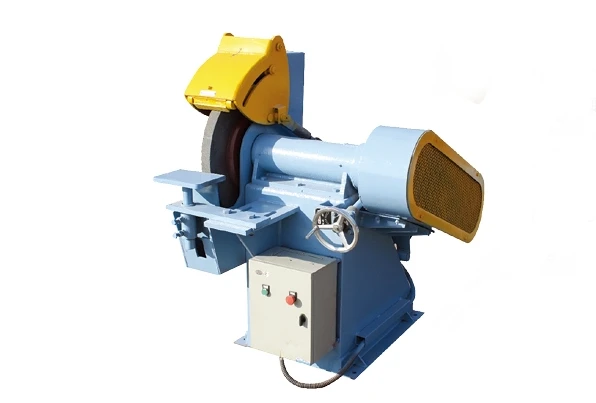
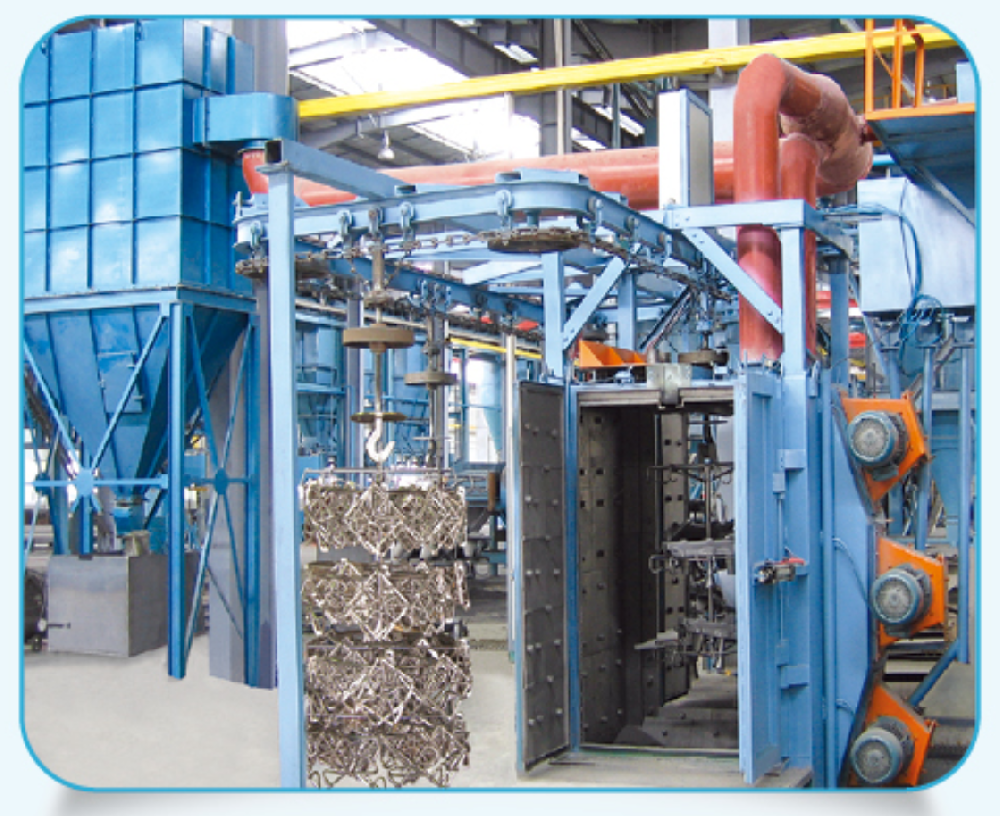
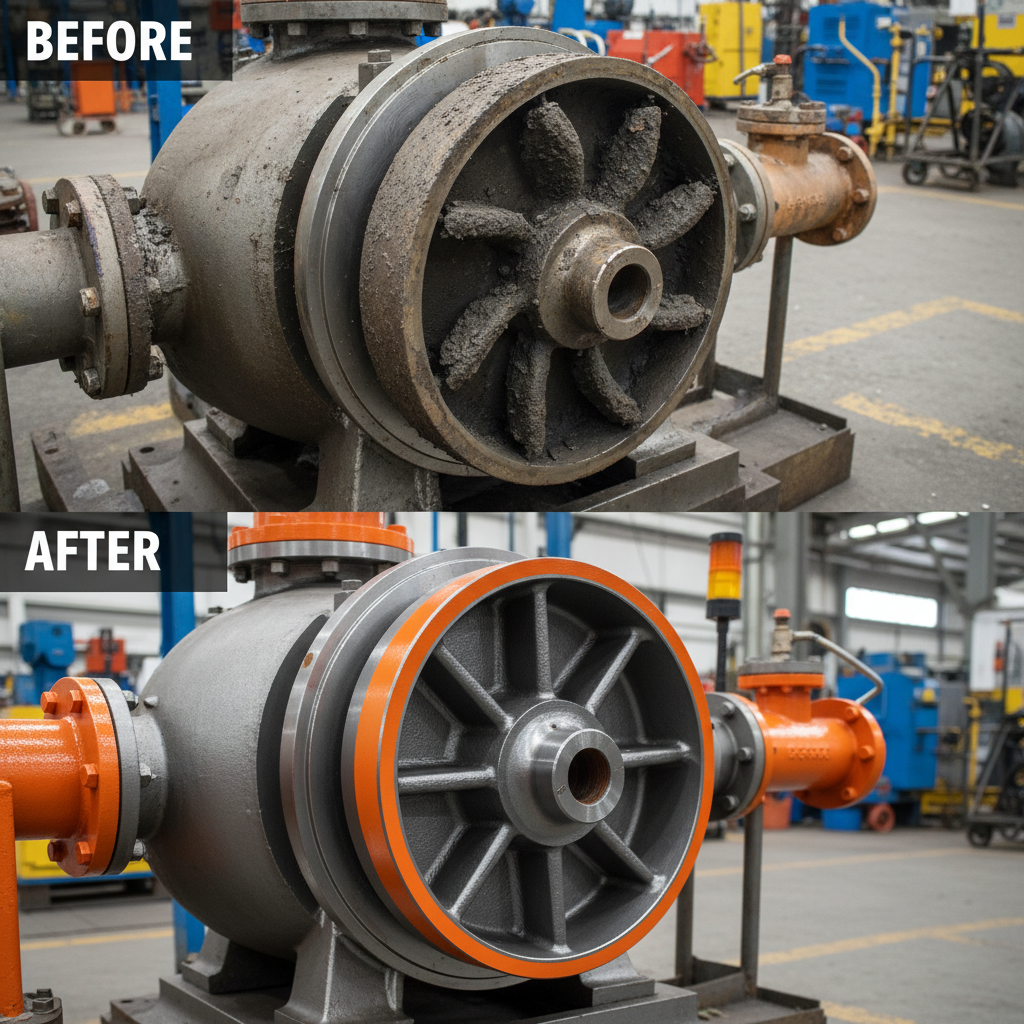
In essence, a casting cleaning machine is a piece of industrial equipment designed to clean rough metal castings efficiently, removing sand, rust, scale, and other unwanted material. It usually employs technologies like shot blasting, vibration, or kinetic cleaning using abrasives, water jets, or brushes.
Think of it as an advanced “scrubber” for castings. Its application transcends traditional factories—being vital in everything from automotive parts assembly lines to humanitarian efforts that produce durable infrastructure parts in developing regions.
These machines are often exposed to abrasive media and heavy parts, so their build quality needs to withstand harsh conditions without frequent downtime. Manufacturers favor reinforced steel frames and corrosion-resistant materials to ensure longevity.
Because castings vary widely—from tiny components weighing a few grams to massive engine blocks—machines must be adaptable, with adjustable chambers or conveyor systems. This flexibility saves time switching between jobs.
This measures how well contaminants are removed. Top machines use highly controlled abrasive flow, optimized shot sizes, or ultrasonic vibration to ensure every nook of a casting is cleaned thoroughly.
Energy consumption can be substantial. Newer models integrate smart controls and recycling systems that reclaim abrasive materials, drastically lowering operational costs and environmental impact.
Integration with digital controls and sensors lets operators monitor cleaning progress in real-time, set customized cleaning cycles, and ensure consistent output without guesswork.
Given the hazards related to sharp metal edges, dust, noise, and moving parts, safety shields, emergency stops, and dust collection systems are standard to protect operators.
Casting cleaning machines find roles in all corners of the industrial map. In Europe and North America, automotive plants use them to prime engine blocks and suspension parts before machining, improving quality and reducing warranty claims.
In Asia's rapidly growing infrastructure sector, heavy castings for construction machinery are cleaned en masse to keep projects on schedule. One interesting humanitarian application noticed in East Africa involves portable casting cleaning modules aiding local foundries, helping create durable tools vital for agriculture and water access.
From a business point of view, the obvious benefit is faster throughput and less scrap—leading directly to cost savings. But when you zoom out, it’s about more than that. Cleaner castings mean safer products, less poisoning of environments around foundries, and happier workers spared from manual abrasive cleaning’s health risks.
Emotionally, the technology symbolizes respect for human dignity and innovation’s power to tackle age-old manufacturing pains. And logically, their reliability reduces pressure on supply chains — fewer defects translate into trust from clients and less downtime.
The casting cleaning machine world isn’t standing still. Green manufacturing initiatives push for machines powered by renewable energy or those that capture and recycle micro-particles to reduce pollution. Digital transformation trends introduce AI-driven predictive maintenance and real-time quality analytics.
Additionally, hybrid cleaning technologies combine ultrasonic treatments with traditional abrasive methods, offering gentler, more precise cleaning suitable for advanced alloys used in aerospace and medical industries.
Despite their clear benefits, challenges remain. Large capital costs can deter smaller foundries. Some machines have limitations handling oddly shaped or very large castings. Moreover, abrasive consumption and dust control require constant attention.
Here, expert industry voices recommend modular machine designs for scalability, enhanced dust extraction systems, and supplier partnerships to ease costs through leasing or financing. Training staff on proper handling also dramatically increases operational lifespan and safety.
| Specification | Example Model X100 | Example Model Z300 |
|---|---|---|
| Cleaning Method | Shot Blasting | Ultrasonic + Abrasive |
| Max Casting Weight | 500 kg | 1200 kg |
| Cycle Time | 5-10 minutes | 10-15 minutes |
| Power Consumption | 7 kW | 12 kW |
| Automation Level | Semi-automatic | Full automation compatible |
| Vendor | Price Range | Customization Options | Warranty | Support & Training |
|---|---|---|---|---|
| AlphaClean Industries | $40k - $120k | High (modular design) | 3 years | 24/7 remote & onsite |
| BetaTech Solutions | $30k - $90k | Medium (preset options) | 2 years | Business hours only |
| GammaClean Co. | $50k - $150k | Custom engineering available | 5 years | Dedicated team & training |
In a fast-evolving industrial landscape, casting cleaning machines represent more than just equipment. They are enablers of quality, sustainability, and innovation. If you’re aiming for sharper production lines, healthier manufacturing environments, and durable product outputs, exploring this technology is well worth your while.
Feeling curious or ready to upgrade your foundry capabilities? Visit our website: https://www.yonghongbq.com for a deeper dive and tailored offers.