Release Time:2025-12-02
If you’ve ever handled metal parts, automotive components, or construction materials, there’s a good chance they’ve been touched by a rotary barrel shot blasting machine. In essence, this machine is a workhorse in surface treatment — cleaning, strengthening, and smoothing metal surfaces before they get painted, welded, or assembled. Globally, as manufacturing and infrastructure projects push forward, understanding this equipment means better product durability, reduced maintenance costs, and improved safety for end-users.
Why does it matter on such a big scale? Well, the World Bank estimates that global industrial production accounts for nearly 25% of GDP in many developing countries, and a huge chunk depends on metal fabrication. That means you need surfaces free of rust, scale, and contaminants — that’s exactly where the rotary barrel shot blasting machine earns its keep.
Mini takeaway: Knowing how these machines work helps manufacturers boost quality and sustainability in metal products across industries worldwide.
It’s kind of fascinating how rotary barrel shot blasting machines quietly underpin so many industrial advancements. Whether you’re building bridges in Europe, fabricating ship parts in Asia, or refurbishing aircraft in North America, this equipment is key. According to ISO 12643-1 standards, shot blasting improves surface integrity, and in regions with corrosive climates, this treatment literally extends the lifespan of metal parts by years.
Globalization has ramped up demands for faster, more efficient finishing processes. Yet, industries face challenges such as environmental regulations, energy consumption, and diversified product sizes. Without solutions like rotary barrel shot blasting, companies might struggle to meet quality standards while keeping costs manageable.
Mini takeaway: This machinery answers pressing industrial performance and sustainability needs worldwide.
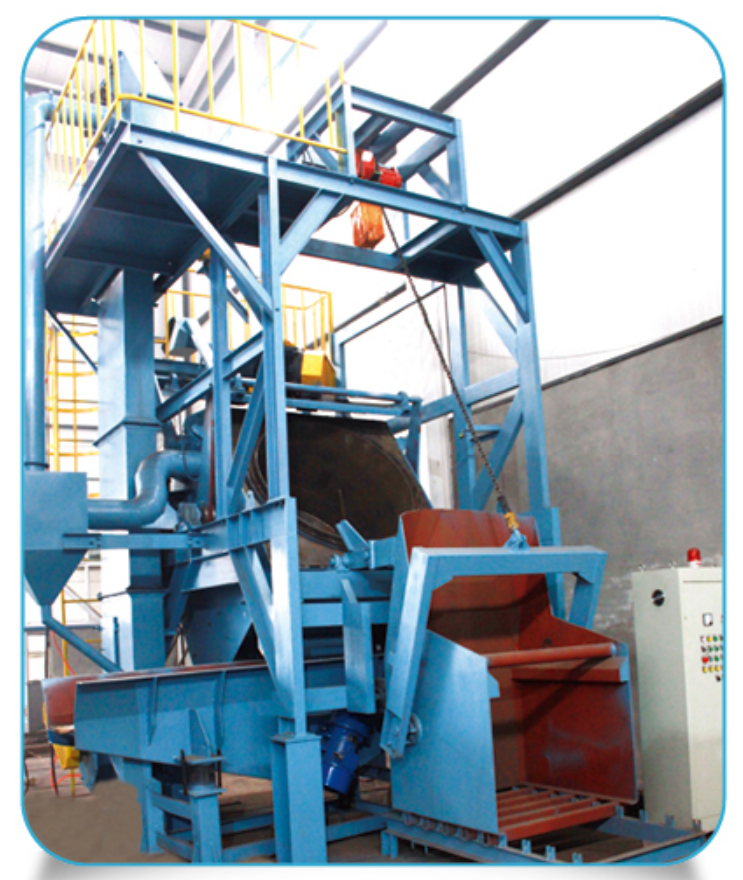
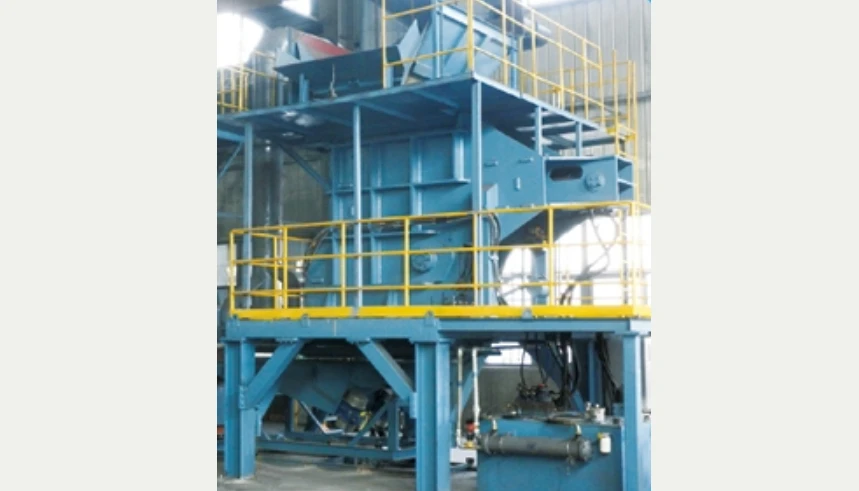
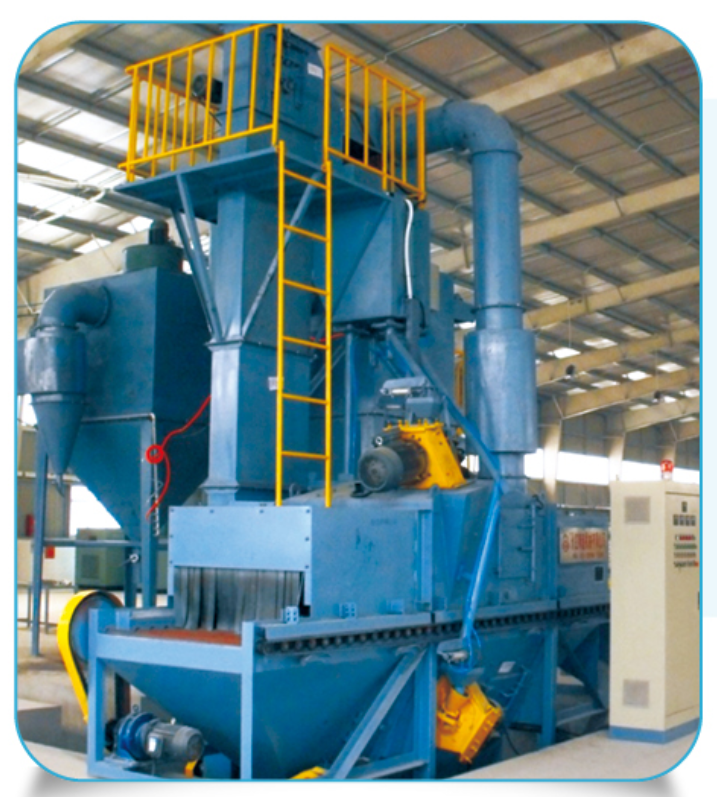
At its core, a rotary barrel shot blasting machine is a device that cleans and strengthens metal surfaces by propelling abrasive media — often steel shots or grit — against parts placed inside rotating barrels. These barrels tumble the parts while simultaneously blasting them, ensuring every nook and cranny is treated.
The beauty is in the simplicity of the concept paired with the sophistication of its design. This machinery is a modern industrial necessity, bridging raw material preparation and final product finishing. And oddly enough, it connects directly to humanitarian considerations: by enhancing the durability of infrastructure components, it contributes indirectly to safe housing and transportation.
rotary barrel shot blasting machine manufacturers have focused on optimizing capacity and precision, tailoring machines for different industries — everything from automotive nuts and bolts, to aerospace hardware, to construction rebar.
Mini takeaway: Simply put, these machines ensure metal surfaces are prepped precisely and efficiently for their next industrial journey.
Built to withstand intense abrasion and heavy loads, the barrels and machine frames are constructed from wear-resistant alloy steel. Durability here impacts maintenance intervals and machine downtime — big considerations for continuous production lines.
Rotary barrels come in various sizes and rotations per minute (RPM), letting operators scale from small batch processing to large industrial volumes. Whether you’re blasting small washers or large gearboxes, the machine adjusts accordingly.
Modern models integrate energy-saving motors and automation controls. In an age where green manufacturing is more than a buzzword, lowering power consumption aligns with corporate responsibility goals worldwide.
Though initial investments aren’t negligible, the long-term savings on labor, chemical cleaners, and reworks often make rotary barrel shot blasting machines cost-effective. Plus, improved surface quality reduces rejects.
From decorative items to rugged machine parts, the ability to handle diverse materials like aluminum, steel, and cast iron adds to this machine’s versatility.
| Specification | Typical Range |
|---|---|
| Barrel Capacity | 100–1200 liters |
| Rotation Speed | 6–15 RPM |
| Motor Power | 7.5–22 kW |
| Abrasive Media | Steel shot, grit |
| Machine Footprint | 2–5 m2 |
In highly industrialized zones such as China and Germany, these machines are practically the backbone of metal finishing plants. But their utility spans beyond that: In remote industrial zones like mining operations in South America or refurbishment yards in Africa, rotary barrel shot blasting machines are pivotal in prepping parts for tough conditions.
Interestingly, humanitarian-focused projects occasionally leverage refurbished metal parts treated by these machines for rebuilding efforts — bridges, water tanks, even temporary shelters benefit indirectly from components that are more resilient due to proper surface treatment.
Mini takeaway: The machinery’s use is widespread — from heavy industry hubs to challenging work sites — proving its adaptability and global footprint.
Automation continues to be a runaway trend. Smart sensors monitor abrasion levels, adjusting operating parameters live. Expect IoT-enabled machines that offer remote diagnostics and predictive maintenance. Also, green energy integration — solar-powered plants operating these machines — is no longer hypothetical, especially in eco-conscious manufacturing ecosystems.
The evolution in abrasive materials is also fascinating: biodegradable media and recycled steel shots are slowly moving from prototype labs to regular use, reducing waste footprints further.
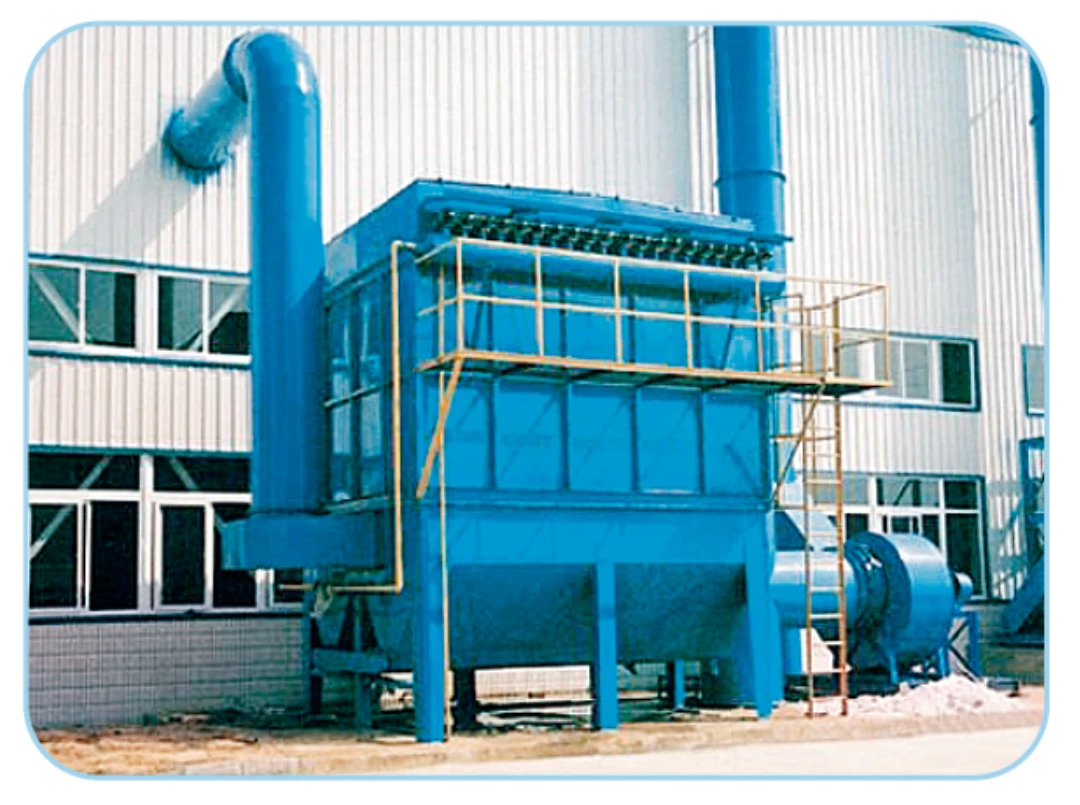
Of course, no machine is perfect. Rotary barrel shot blasting can suffer from media wear and dust emissions, requiring vigilant maintenance and dust extraction systems. Moreover, synchronizing barrel speed with media flow for optimal results demands operator skill.
Innovative approaches like automated media recycling chambers and improved control software make these challenges easier to tackle — some engineers claim these advances “transform the mundane into the efficient.”
| Vendor | Price Range | Key Features | Support & Warranty |
|---|---|---|---|
| Yonghong BQ | $$$ | Custom barrels, energy-efficient motors, remote diagnostics | 24/7 technical support, 2-year warranty |
| BlastTech Pro | $$ | Modular design, dust collection system, user-friendly control panel | 1-year warranty, remote troubleshooting |
| Global Clean Machines | $$$$ | Ultra-high capacity barrels, AI-assisted process optimization | 3-year warranty, on-site training |
Most machines occupy between 2 to 5 square meters, but it depends on barrel size and automation features. It’s wise to also plan for dust collection systems and maintenance access.
Yes. By adjusting abrasive type and barrel rotation speed, operators can delicately clean smaller or more fragile components without compromising their integrity.
Routine tasks include inspecting barrels for wear, checking abrasive media quality, and maintaining dust filters — typically monthly or per 500 hours of operation.
Many manufacturers offer upgrade kits that add automation, sensors, and software control to existing machines, extending their useful life significantly.
Yonghong BQ is a notable supplier, offering customizable options backed by solid support. For more details, visit their official site at https://www.yonghongbq.com.
When you strip it down, these machines are silent enablers of industry. They boost product quality, help manufacturers meet sustainability goals, and reduce waste — all essential as the world leans in harder on industrial growth and environmental care. If you’re in the market for surface treatment solutions, investing in a rotary barrel shot blasting machine isn’t just a purchase — it’s a step toward future-proofing your operations.
To explore cutting-edge models and expert guidance, don’t hesitate to visit Yonghong BQ — they’re a good place to start digging deeper.
References: