Release Time:2026-01-02
Having spent well over a decade in the industrial equipment sector, you tend to notice patterns that aren’t obvious at first glance. Logistics systems, for example, might seem like a straightforward necessity—move products from A to B—but the nuances involved make all the difference between a clunky operation and a smooth-running one that practically runs itself. Oddly enough, it’s often the smaller details like precision in design or materials that dictate how logistics systems perform in real-world conditions.
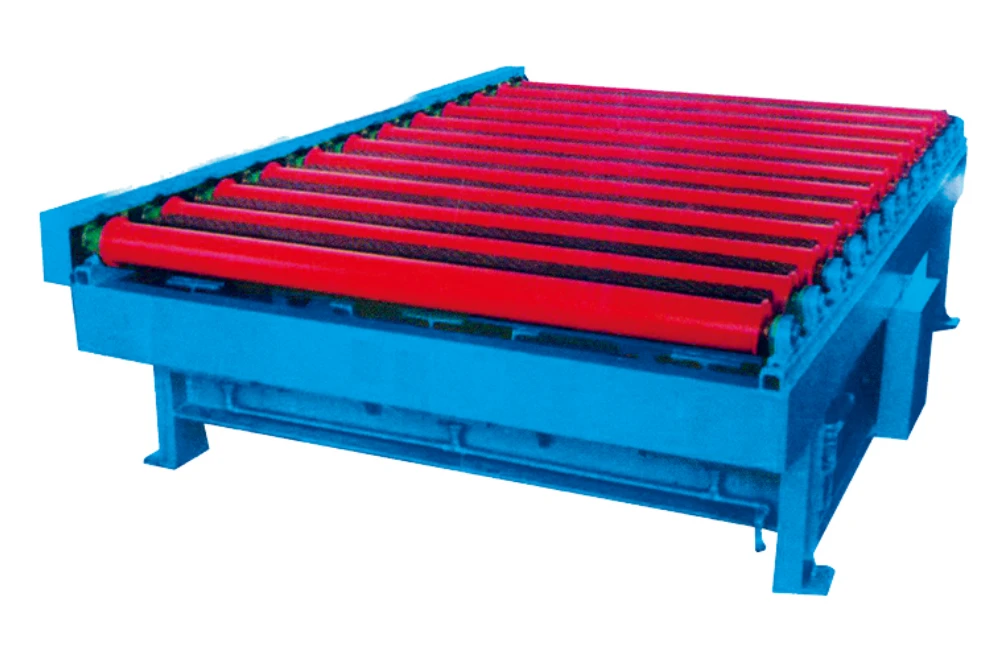
When we talk about such systems—conveyor belts, automated guided vehicles (AGVs), sortation units, and warehouse management software—there’s always this delicate balance to strike between robustness and flexibility. I recall one project where the logistics line had to endure an environment with extreme humidity and dust. Choosing the right materials and protective coatings wasn’t just a suggestion; it was an absolute must. This, frankly, is where many suppliers either excel or fall short.
Another thing I’ve observed is how logistics systems today increasingly integrate smart sensors and IoT features, which help predict maintenance needs before breakdowns happen. It feels like the industry is moving from reactive troubleshooting to a proactive approach, improving uptime and reducing unexpected costs. Obviously, that comes with an upfront investment, but if you’ve been around long enough, you know the ROI often justifies it.
From my time working hands-on with various models, here’s a distilled view of typical specifications I look for in logistics equipment:
| Specification | Typical Range/Value | Notes |
|---|---|---|
| Conveyor Speed | 0.3 - 3.0 m/s | Adjustable based on load and product type |
| Load Capacity | Up to 1500 kg/meter | Heavy-duty variants available |
| Power Supply | 3-phase, 380V/415V | Common industrial standard |
| Operating Temperature | -20°C to +50°C | Extended range units offered |
| Materials | Stainless steel, galvanized steel | Chosen for corrosion resistance |
Picking the right supplier isn’t trivial. Vendors differ not just in price, but in after-sales service and customization capabilities. Here’s a rough comparison of three known vendors in the space:
| Vendor | Customization | Lead Time | Warranty | After-Sales Service |
|---|---|---|---|---|
| Yonghong BQ | High — tailored conveyor and IoT integration | 4-6 weeks | 18 months standard | 24/7 support, on-site technicians |
| Global Conveyor Co. | Medium — modular options | 6-8 weeks | 12 months | Online support only |
| Rapid Logistics Tech | Low — mostly off-the-shelf | 2-3 weeks | 6 months | Limited phone support |
One of the more memorable projects involves a mid-sized logistics company that switched to customized conveyors with logistics systems powered by smart sensors. Initially skeptical, they soon appreciated how predictive alerts saved them hours of downtime each week. It’s the kind of practical win that you rarely hear about unless you’re directly in the trenches.
Overall, I suppose the takeaway is that logistics systems aren’t just about hardware or software — it’s about how the two merge to meet real production needs in an unpredictable environment. Whether it’s tailoring designs to specific challenges, anticipating future maintenance, or choosing a partner who truly understands after-sales nuances, these factors make all the difference.
In the end, it feels rewarding to see how far the industry has come. Back in the day, we mostly relied on manual inspections and reactive fixes. Now, with the integration of data-driven solutions, we're entering an era where logistics systems can truly evolve with their users. And frankly, that’s good news for anyone involved in industrial operations.
References: