Release Time:2025-12-02
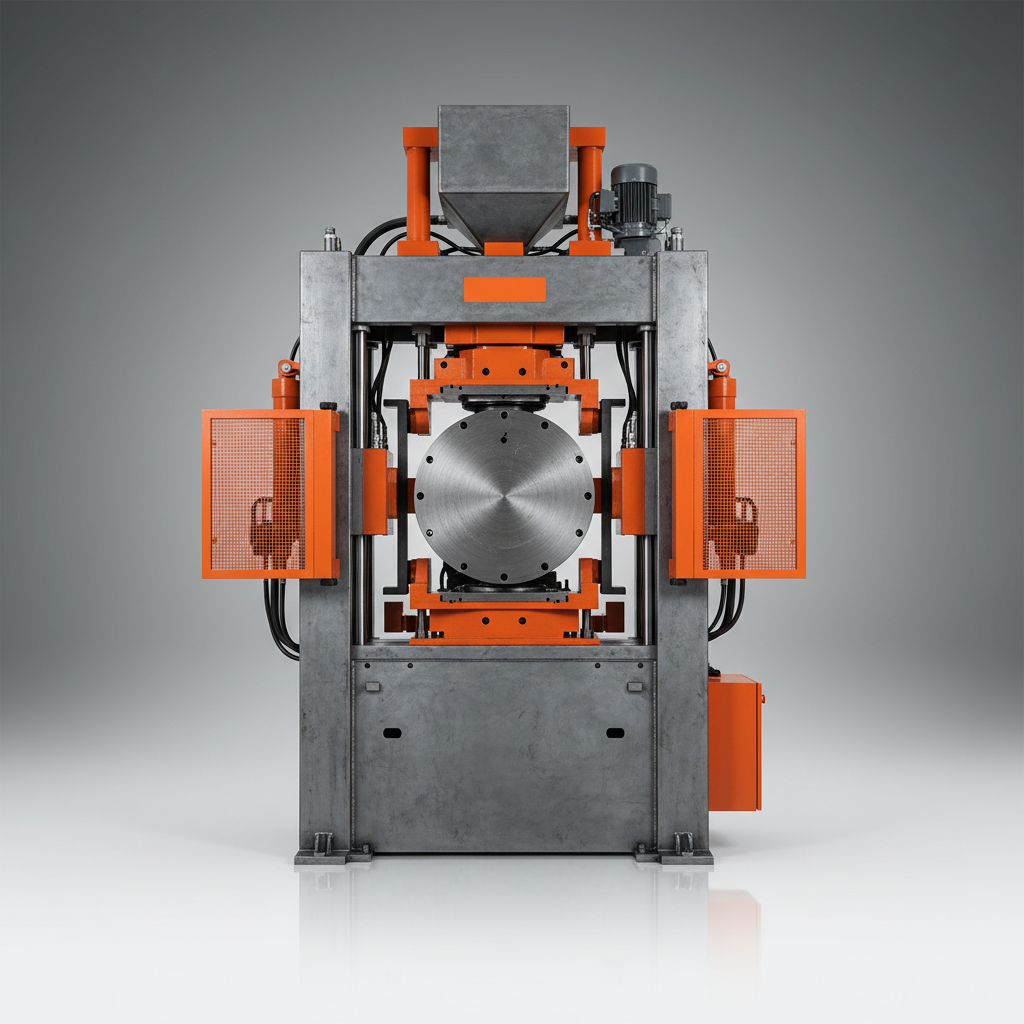
At first glance, a rolling drum shot blasting machine might seem like just another industrial gadget buried in the noisy hum of manufacturing lines. But dig a little deeper, and you find a technology quietly shaping global manufacturing efficiency, sustainability efforts, and product quality across many sectors. Simply put, this machine essentially cleans, strengthens, and polishes metal surfaces by propelling abrasive materials (or 'shot') inside a rotating drum. It’s a workhorse in sectors ranging from automotive parts to heavy construction. Understanding its nuances means unlocking smarter production lines and contributing to cleaner, longer-lasting products — which, in real terms, impacts everything from your car’s lifespan to the infrastructure in your city.
Mini takeaway: The rolling drum shot blasting machine is a cornerstone tool with wide-reaching influence on product durability and industrial sustainability worldwide.
Industries worldwide are leaning heavily into automation and surface treatment techniques to boost efficiency and cut down on environmental impact. According to the International Standard ISO 8501-2, surface preparation is fundamental to ensuring paint adhesion and corrosion resistance — challenges especially relevant in harsh climates or heavy-use machinery. Concurrently, the World Bank reports that manufacturing remains a top contributor to GDP in emerging economies, yet profitability hinges heavily on product quality and cost control.
The rolling drum shot blasting machine plays a crucial role here, addressing a major bottleneck: how to clean and prep metal parts faster and more uniformly without excessive manual labor or hazardous chemicals. By automating the abrasion process inside a rotating drum, manufacturers are able to meet strict quality benchmarks and sustainability goals simultaneously. Frankly, this tech is a quiet hero in the race towards greener, more efficient factories.
Mini takeaway: This machine isn’t just about cleanliness — it’s part of the global push for sustainable industrial growth and enhanced product quality.
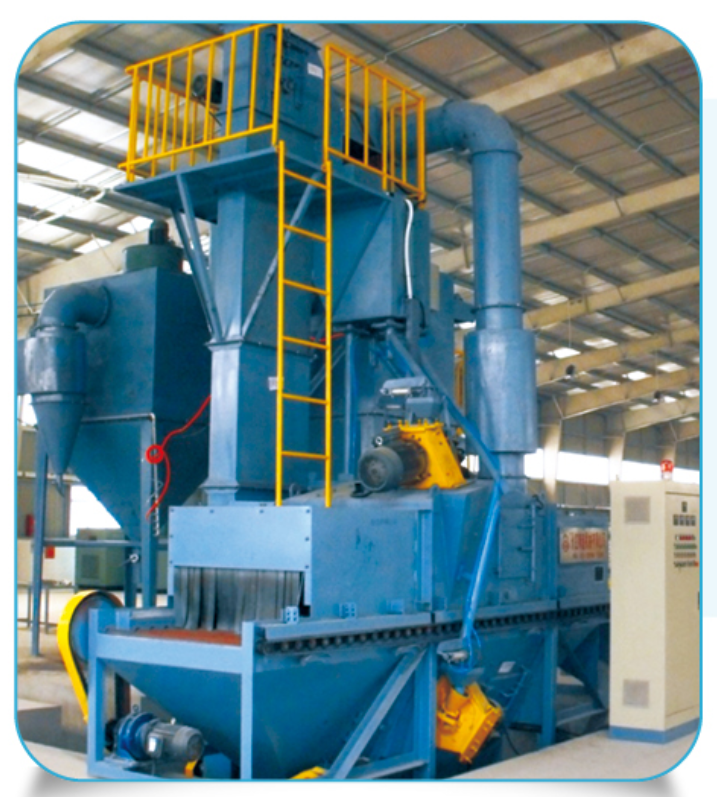
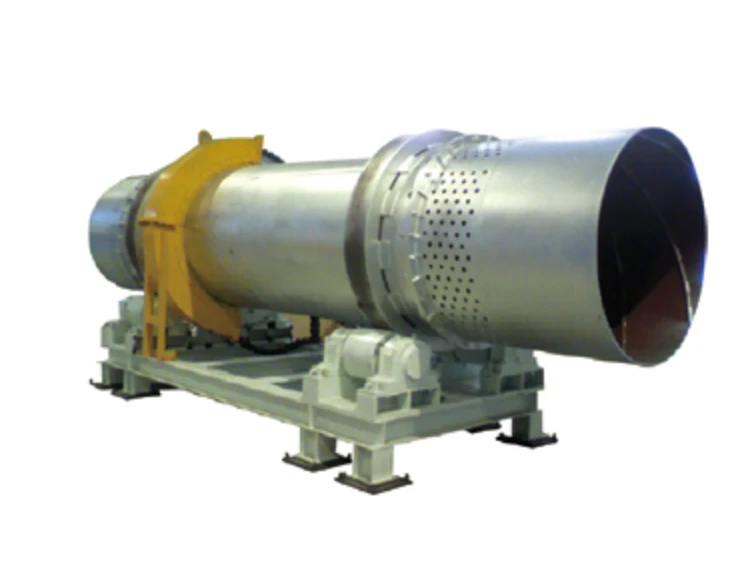
Let’s break it down. Imagine a large, rotating drum—sort of like a giant cement mixer—inside which small metallic or abrasive shots are hurled against metal parts as the drum turns. This continual impact strips away rust, scale, old coatings, and other impurities. The result? A clean, textured surface ready for painting, coating, or further processing.
In many ways, the rolling drum shot blasting machine serves the same purpose as a person sanding a wooden desk but on an industrial scale, with precision, speed, and consistency no human effort could match. It’s closely tied to modern manufacturing needs for durable, corrosion-resistant products. NGOs and infrastructure developers in restoration projects also rely on such machines to refurbish metal components efficiently, a direct nod to humanitarian-driven industry use.
Mini takeaway: Essentially, it’s a rotating abrasive cleaning drum turning metal parts into clean, prepped, long-lasting products.
Most machines are constructed from heavy-duty steel to withstand continuous abrasion and weight. Durability affects downtime and maintenance cycles — crucial when costly production lines depend on it running smoothly.
You can find models of rolling drum shot blasting machines designed for handheld applications up to massive, automated units handling tons of material daily. This scalability helps manufacturers accommodate varied production sizes without jeopardizing quality.
Power consumption, shot media recycling capabilities, and ease of maintenance combine to reduce total ownership costs. Many managers notice operational savings after upgrading to systems that effectively reclaim and recirculate the abrasive shot.
Modern iterations integrate digital controls and automation features, allowing operators to monitor process variables like shot velocity and drum rotation speed. That’s a game-changer for consistent surface results.
Some advanced models incorporate dust collection systems and low-noise designs. This aligns with increasing environmental regulations, particularly in Europe and North America.
Mini takeaway: Durability, scalability, cost efficiency, automation, and eco-friendly design are the pillars of effective rolling drum shot blasting machines.
These machines stretch across the globe’s industrial landscape:
A particularly interesting case: after natural disasters, infrastructure repair projects rapidly deploy refurbished metal components blasted clean with these machines, accelerating recovery timelines while cutting waste.
Mini takeaway: The versatility of rolling drum shot blasting machines shines in industries from automotive to disaster recovery worldwide.
I suppose this kind of long-term thinking makes these machines more than just tools — they’re enablers of durable, responsible industrial growth.
| Feature | Typical Value | Notes |
|---|---|---|
| Drum Diameter | 1.5 - 3 meters | Size depends on capacity requirements |
| Shot Media Type | Steel Grit or Steel Shot | Reusable abrasive materials |
| Power Usage | 15 – 60 kW | Varies by drum size and automation features |
| Throughput Capacity | Up to 5 tons/hour | Depends on material density and part size |
| Dust Collection Efficiency | ~95% | Standard with integrated filters/systems |
| Cycle Time | 15 - 45 minutes | Typical for average part batches |
| Vendor | Price Range (USD) | Key Feature | Global Reach | Customization |
|---|---|---|---|---|
| Yonghong rolling drum shot blasting machine | $30,000 – $75,000 | Advanced automation, high dust control | Asia, North America, Europe | High-level custom options |
| Krupp Steelblast | $45,000 – $85,000 | Robust build, heavy-duty components | Worldwide, strong in Europe | Medium customization |
| BlastCo International | $25,000 – $60,000 | Economical, user-friendly controls | North America and Emerging Markets | Standard models only |
Looking ahead, the interface between automation and sustainability drives most advancements. Expect increased integration of AI-powered sensors that adapt abrasiveness in real time depending on surface condition — which means personalized precision never before achievable. Additionally, greener power sources and recyclable shot materials will become standard as ISO standards evolve to promote eco-responsible manufacturing.
Remote diagnostics and cloud connectivity are other emerging trends, allowing maintenance teams to troubleshoot problems without having to halt production — a real boon for global manufacturers working across time zones.
Mini takeaway: Smarter, greener, more connected rolling drum shot blasting machines will soon be the norm, enhancing efficiency and sustainability hand-in-hand.
Of course, it’s not all smooth operation. Dust generation, noise, and occasional equipment wear top the list of user complaints. While dust filtration systems help tremendously, manufacturers sometimes struggle with maintenance complexity and initial high investment costs.
Experts recommend combining routine training with modular machine designs to simplify upkeep. Also, vendors offering financing plans and comprehensive service packages make adopting these machines more accessible, particularly for smaller operations.
All things considered, incorporating a rolling drum shot blasting machine into your workflow isn’t just a technical upgrade — it’s a strategic move towards long-term durability, cost saving, and environmental responsibility. Whether you're streamlining automotive part production or refurbishing critical infrastructure after disaster, these machines enhance safety, quality, and efficiency in ways that resonate far beyond the factory floor.
Ready to take your operations to the next level? Visit https://www.yonghongbq.com to explore the latest models and find the perfect fit.