Release Time:2025-12-02
Whether you're in foundry work, construction, or industrial manufacturing, the phrase resin sand mixer likely rings a bell. But why should it matter beyond the factory floor? In real terms, this vital machine blends resin-coated sand with precise control, helping manufacturers produce molds and cores essential for casting metal parts. Globally, with industries booming across Asia, Europe, and the Americas, efficient mixing equipment ensures high-quality outcomes, reduced waste, and lowered environmental impact.
Think about it: every car, airplane, or heavy machinery component has roots in well-mixed molding sand. So mastering the resin sand mixer's intricacies isn’t just technical—it’s foundational for innovation, sustainability, and economic progress.
Resin sand mixing isn’t a niche concern anymore. According to the International Organization for Standardization (ISO), billions of tons of castings rely on resin sand molds annually, and industries worldwide struggle with balancing quality, efficiency, and environmental safety (1). The rise of smart manufacturing means that even traditional devices like resin sand mixers are entering the digital age. But the challenge persists: how do you affordably keep molds consistent and contamination-free when demand surges or materials vary?
In regions such as China, India, Germany, and the United States, companies rely heavily on reliable resin sand mixing technology that complies with global quality standards — and environmental regulations. Without it, production bottlenecks, defect rates, and ecological damage would shoot up.
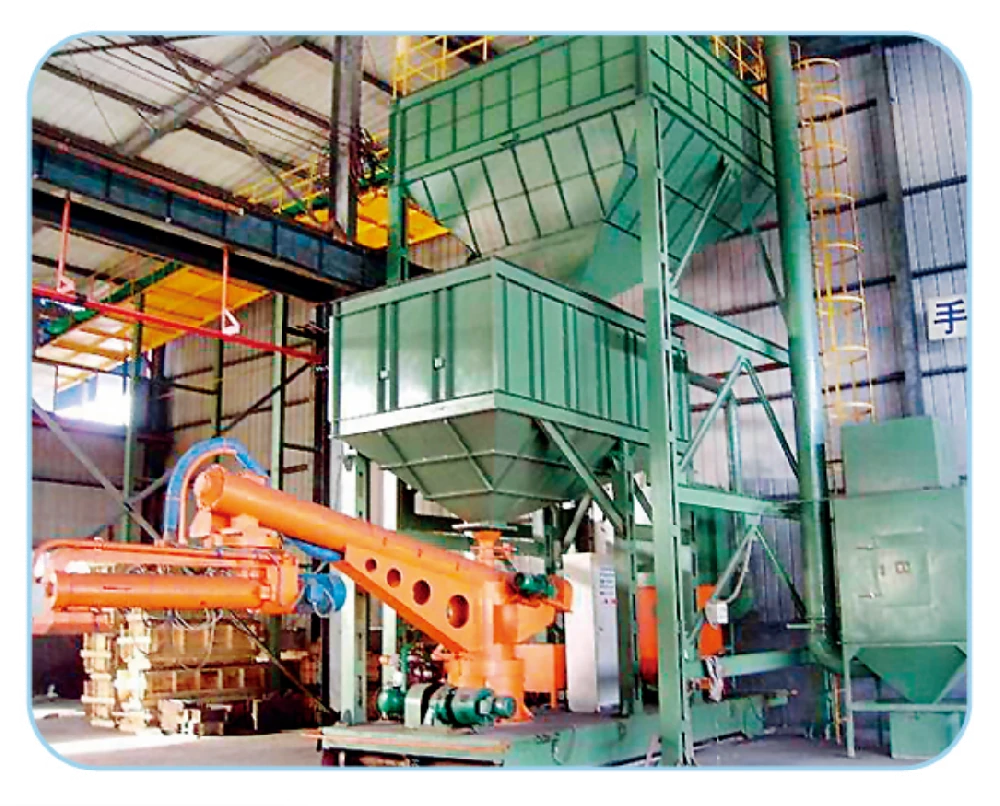
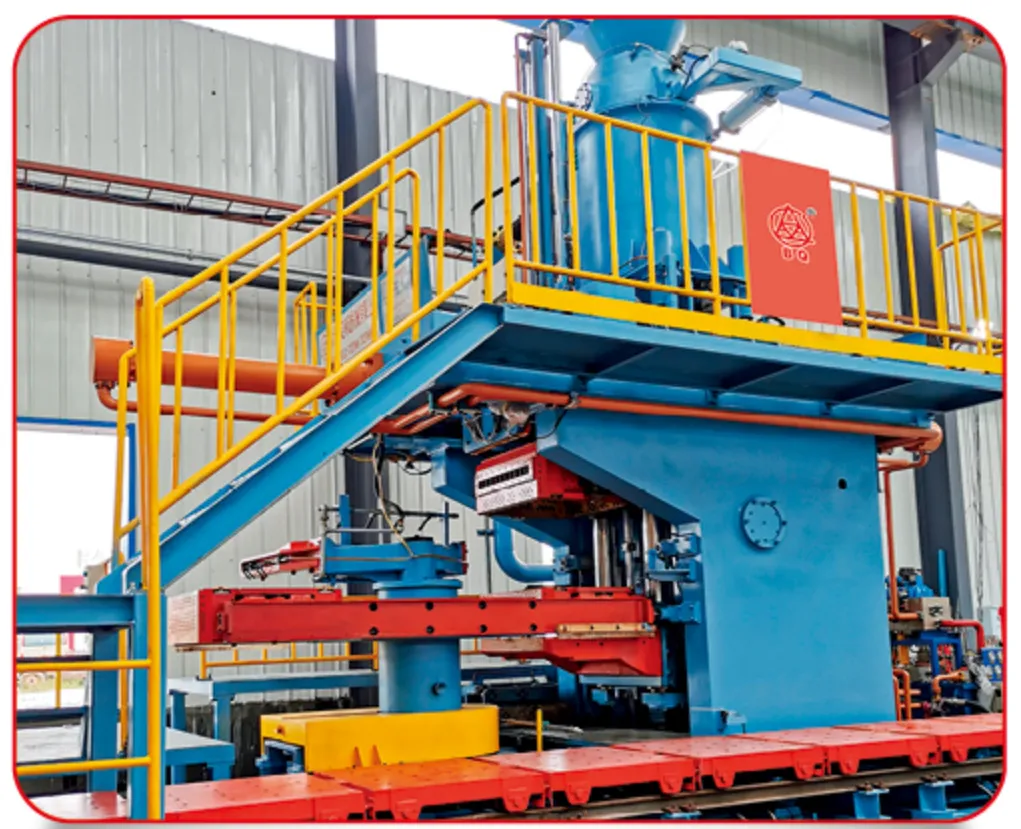
Put simply, a resin sand mixer is a specialized machine that evenly blends resin-coated sand particles to prepare molding sand for metal casting. The "resin" acts as a binder, providing strength and surface finish quality, while the “sand” forms the mold shape. The mixer combines these two carefully to achieve efficiency and precision required by foundries.
This mixer is the unsung hero behind the scenes, used in everything from automotive parts production to aerospace and even humanitarian tools like water and power infrastructure components. Without it, accuracy fades, and wastefulness skyrockets.
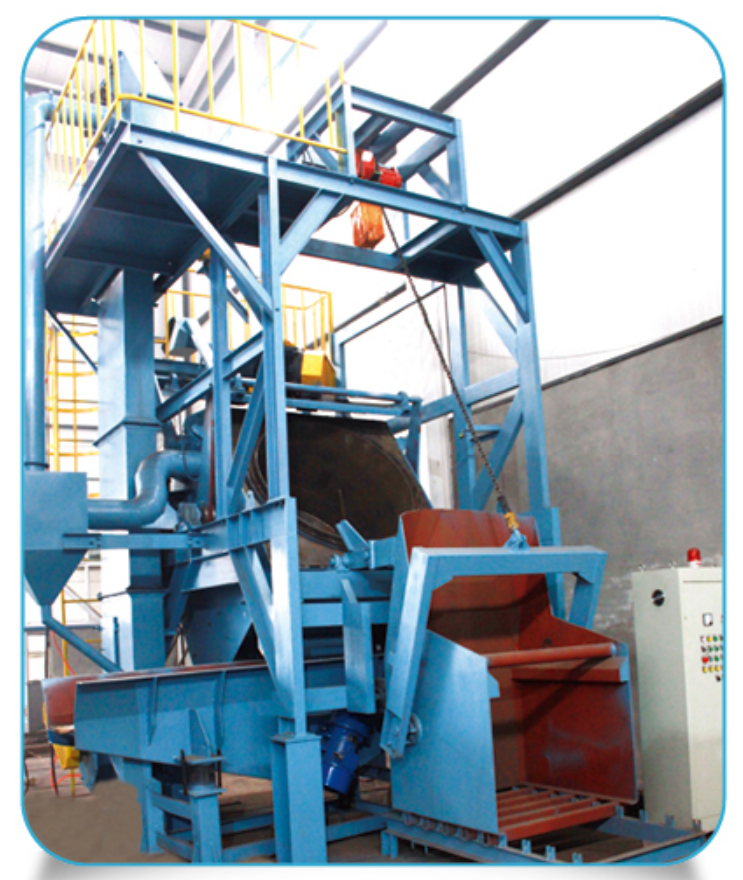
The mixer’s drum, paddles, and motor—usually made with high-grade steel and wear-resistant materials—ensure years of operation in tough factory conditions. This durability translates to fewer repairs and downtime.
A good resin sand mixer distributes resin evenly, avoiding lumps that create weak molds. Many engineers say achieving uniformity is the defining metric between a good casting and scrap parts.
Depending on the plant size, mixers range from small tabletop units for rapid prototyping to massive floor-standing machines processing tons per batch. This scalability means you can tune investment and capacity to your needs.
Since resin-coated sand is sticky, easy cleaning is a plus. Innovative designs often feature quick-release paddles and access doors to speed up cleaning, improving productivity.
Modern resin sand mixers aim to optimize power use while maintaining thorough mixing — saving money and reducing environmental footprints over the long haul.
With the rise of Industry 4.0, mixers with smart controls and sensors can monitor mixing quality in real-time, adjusting parameters on the fly. This tech boost reduces human error and raises throughput.
Resin sand mixers aren't just factory toys—they're workhorses across continents and sectors. In China and India, new foundries gearing up for automotive demand install advanced mixers to maintain quality at scale. Europe’s aerospace sector trusts specialized mixers that deliver ultra-fine uniform sand crucial for intricate parts. Meanwhile, in remote areas serving humanitarian projects or mini-industries, reliable mixing ensures fast, safe construction of infrastructure with minimal waste.
Running a foundry without a dependable resin sand mixer is like trying to bake a cake without a mixer—you might succeed, but it takes much longer, wastes ingredients, and the results vary. That versatility and consistency bring cost savings by lowering rework, reducing scrap, and improving downstream machining. Plus, by ensuring molds are stronger and cleaner, mixers minimize metal leakage, resulting in better environmental compliance.
On the emotional side, foundry workers tend to trust equipment that won’t fail mid-batch—knowing the mixer will deliver steady results builds confidence across teams. There’s a dignity in operating smooth, dependable machinery, something often overlooked but vital in workplace morale.
Looking ahead, automation and digitization will refine resin sand mixing dramatically. Smart sensors paired with IoT connectivity allow predictive maintenance alerts and precise resin delivery. More eco-conscious materials for mixing parts reduce energy consumption, and biodegradable resins are gaining traction to lessen environmental impact.
Some companies are even testing small modular resin sand mixers powered by renewable energy — a game changer for off-grid or remote foundries. This aligns with global efforts to decarbonize industrial production.
Despite advances, some issues persist:
Experts note that combining human expertise with smart technology is the sweet spot for solving these issues.
| Specification | Details |
|---|---|
| Mixing Capacity | 500 - 2000 kg per batch |
| Motor Power | 7.5 - 15 kW |
| Mixing Time | 5 - 10 minutes |
| Material | Wear-resistant steel with anti-stick coatings |
| Control System | PLC with touchscreen interface, sensors for resin feed |
| Dimensions (L×W×H) | 3.5m × 1.5m × 2m |
| Vendor | Model Range | Price Range (USD) | Special Features | Support & Warranty |
|---|---|---|---|---|
| Yonghong Machinery | 500 - 3000 kg | 15,000 - 50,000 | Advanced sensor tech, easy-clean design | 24/7 support, 2-year warranty |
| Foseco | Up to 3500 kg | 20,000 - 60,000 | Modular control units, automated dosing | Onsite training, 3-year warranty |
| Huanghe Machinery | 400 - 2000 kg | 11,000 - 40,000 | Compact models, energy efficient | Local service centers, 1-year warranty |
By evenly blending resin and sand, the mixer ensures the mold has uniform strength and surface finish. This prevents casting defects like blowholes or cracks and improves overall product reliability.
For small-scale production, mixers with capacities from 500 to 1000 kg are typically sufficient. They offer precision without over-investment or excessive power consumption.
Older models can be power-hungry, but modern mixers employ energy-saving motors and variable drives to minimize consumption while maintaining mixing quality.
Yes, many current models come with PLC controls and sensors that enable full integration with automated production lines for streamlined workflows.
Vendors like Yonghong Machinery offer a good balance between price, features, and support, making them popular choices worldwide.
Looking at the bigger picture, investing in a resin sand mixer is more than a procurement decision. It touches quality, sustainability, and profitability. Whether you're a small foundry or a multinational manufacturer, the right mixer keeps your operation agile, efficient, and environmentally sound. It’s also a step toward aligning with global quality standards and future-ready production techniques.
So, if you want to elevate your casting game while reducing waste and costs, I highly recommend learning more and exploring trusted solutions like those at Yonghong Machinery. The journey to better molds starts here.