Release Time:2025-12-02
If you’ve ever wondered what lies behind the intricate shapes of metal parts, from car engines to delicate machine components, the answer often begins with a humble yet crucial material: molding sand for metal casting. This sand isn’t just ordinary playground stuff; it's specially treated and engineered to form molds into which molten metal is poured. Mastering it not only saves industries billions annually through precision and waste reduction but also drives innovation in manufacturing worldwide.
Understanding molding sand matters globally because metal casting touches nearly every economy, from heavy industry in Germany to artisanal foundries in India. As manufacturing shifts toward greener, leaner, and smarter methods, the role of this sand is evolving too — making it important for anyone curious about sustainable industry and craftsmanship alike.
The United Nations Industrial Development Organization (UNIDO) estimates the global foundry market to reach approximately $72 billion by 2025. Behind this growth lies the demand for efficient, reliable molding materials. Molding sand for metal casting acts as the foundation of casting precision and repeatability.
However, the challenge remains: how do foundries balance quality with environmental and cost pressures? Traditional molding sands often contain silica, which poses health concerns if not managed properly. Regulatory bodies like OSHA and the European Agency for Safety and Health at Work constantly raise the bar for safety and environmental compliance. This pushes manufacturers to seek sands that can deliver strength, reusability, and minimal waste.
In simple terms, molding sand is a composite material primarily composed of silica sand, clay (often bentonite), moisture, and additives designed to provide strength, permeability, and heat resistance. It acts as the negative cavity for molten metals like iron, aluminum, or bronze to take shape.
From industrial giants to small workshops, molding sand enables the precise replication of complex shapes without expensive machining. Oddly enough, this ancient practice dating back thousands of years is still a backbone of modern manufacturing, humanitarian engineering, and even art.
Molding sand is more than just sand — it is an engineered tool crucial for shaping metal parts globally, blending tradition with modern industry.
The grain profile affects surface finish and mold strength. Angular grains bind better but reduce permeability, while round grains improve airflow but may weaken the mold.
Bentonite clay acts as the natural binder holding sand grains together. Its quantity controls mold cohesion and the ability to hold fine detail.
Water activates the clay and gives plasticity. Too much water causes crumbling; too little leads to brittleness — a tricky balance found through experience.
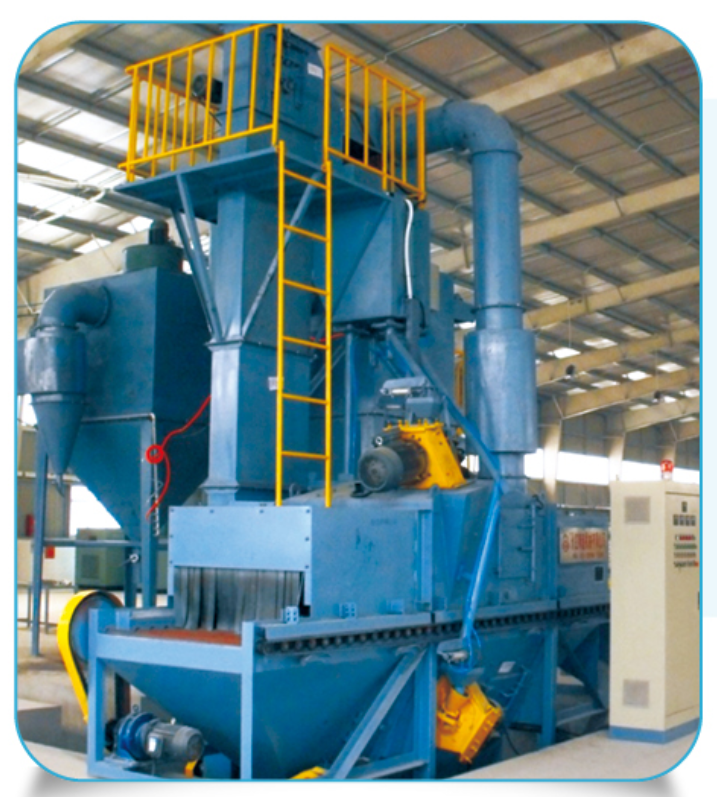
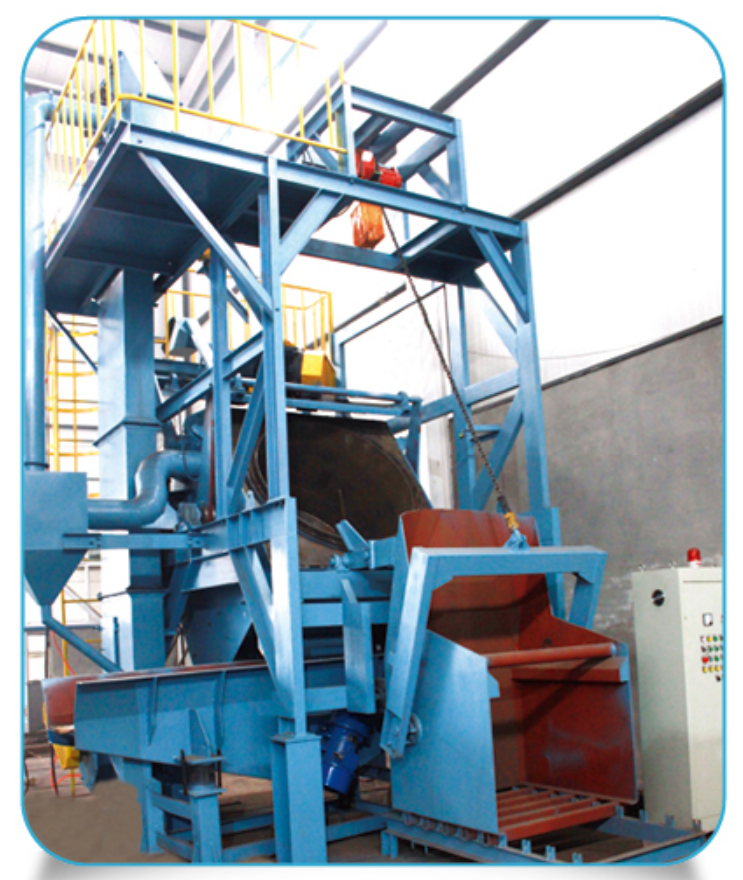
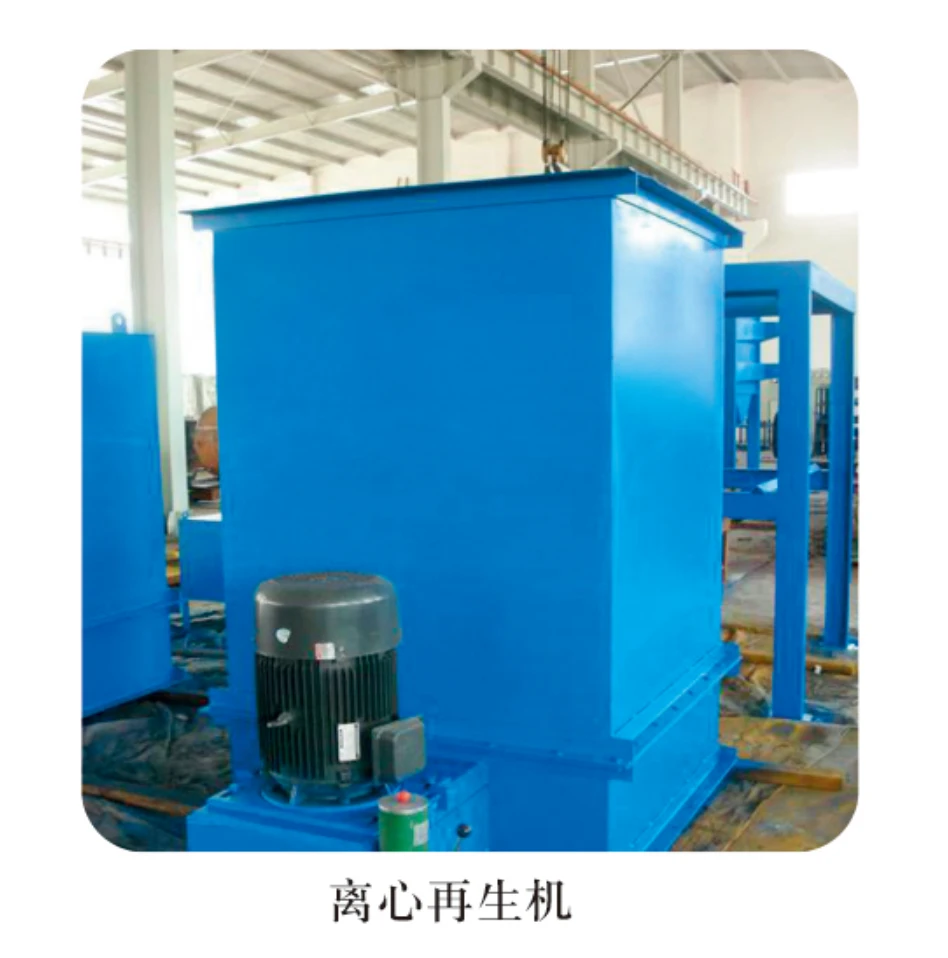
Modern foundries focus on sand reclamation to lower costs and waste. Recycled sand must maintain integrity for multiple casting cycles.
High thermal stability prevents defects like cracking or expansion during pouring. Specialty additives enhance this crucial property.
Reducing free silica dust and toxic additives helps meet regulatory standards and protects worker health.
The magic of molding sand lies in the balance of its components — tuning them creates molds fit for every casting challenge.
The automotive industry in Europe, aerospace manufacturers in North America, and heavy machinery producers in Asia all depend heavily on molding sand's performance. For example:
Molding sand goes beyond the factory floor — it shapes economies and communities worldwide in ways many seldom consider.
Using premium molding sand reduces scrap rates, lowers energy consumption in casting, and improves dimensional accuracy — creating cost savings you can measure in dollars and goodwill.
What’s more, sustainable sand practices promote environmental trust. Workers breathe cleaner air, companies improve their carbon footprint, and end users receive reliably forged components that ensure safety and effectiveness. For those involved in humanitarian engineering, the durability and safety of cast parts can literally save lives, reinforcing dignity in aid and reconstruction.
| Property | Typical Value | Notes |
|---|---|---|
| Silica Sand Content | 85-92% | High-purity quartz sand preferred |
| Moisture Content | 3-5% | Depends on clay and sand ratios |
| Bentonite Clay | 5-8% | Natural binder for mold strength |
| Permeability (units) | 150-220 | Allows gas escape during casting |
| Reusability Cycles | 5-10 cycles | Depends on reclamation process |
| Supplier | Sand Purity | Environmental Compliance | Recyclability | Typical Use-Case |
|---|---|---|---|---|
| Yonghong BQ | >92% | ISO 14001 Certified | Up to 10 cycles reclamation | Automotive & heavy machinery |
| SandTech Corp. | 88-90% | Meets EU REACH | 7-8 cycles | General industrial casting |
| GlobalFoundry Supplies | 90-92% | OSHA Compliant | 5-6 cycles | Small batch and prototype |
Green foundry practices are reshaping molding sand technologies: bio-based binders replacing traditional clays, improved waste reclamation systems, and digital mold design reducing trial errors. Automation and IoT now monitor sand conditions in real time, making foundries more agile.
Furthermore, with metal casting's energy footprint under scrutiny, sand materials that improve heat retention and reduce metal defects are increasingly sought after. Researchers are even experimenting with nano-coatings that make sand molds reusable far beyond conventional cycles — a fascinating development for a material you wouldn’t expect much change from.
Dust inhalation / silica exposure remains the top workplace hazard, prompting strict controls and better ventilation systems. Foundries also wrestle with balancing sand strength and permeability — improving one can degrade the other. That’s why additive blends and precise moisture management are hot topics among engineers.
I’ve heard many manufacturers say the art is in the “feel” of their sand batches — but today’s tech lets labs measure precisely what used to be intuition, cutting scrap and downtime.
A1: The ideal sand combines grain size for fine detail, adequate clay content for strength, and proper moisture for pliability. It should also allow gases to escape during pouring to avoid defects. This combination ensures smooth surfaces and high dimensional accuracy.
A2: High-quality molding sands can be reclaimed and reused 5 to 10 times, depending on the reclamation process. Regular testing for properties like permeability and grain size is essential to determine usability.
A3: Many suppliers now offer sands with reduced free silica dust and natural binders, complying with strict environmental standards such as ISO 14001 and EU REACH, minimizing environmental and health impacts.
A4: Absolutely. Different metals like aluminum, cast iron, or bronze require sands with tailored heat resistance and permeability to optimize surface finish and structural integrity.
Molding sand for metal casting may not be the flashiest part of industrial innovation, but it’s undeniably foundational. From ensuring the safety of complex machinery to enabling efficient, low-waste production — it touches everything metal. As environmental concerns deepen, and precision demands climb, molding sand technology will only get more refined and vital.
Want to explore premium solutions that stand out in quality and sustainability? Visit our website: yonghongbq.com and see how modern molding sand can upgrade your foundry's output with confidence.
It’s funny: such a simple material, and yet so much depends on getting it just right...