Release Time:2025-12-02
If you’ve ever marveled at how metal sheets transform into car bodies, airplane wings, or the panels that clad skyscrapers, you’ve glimpsed the art — and science — of forming equipment at work. It’s one of those behind-the-scenes champions of manufacturing and construction, quietly powering economies and infrastructures globally. Frankly, without reliable forming equipment, countless industries would be stuck in the slow lane or relying on outdated methods that cost more and waste more.
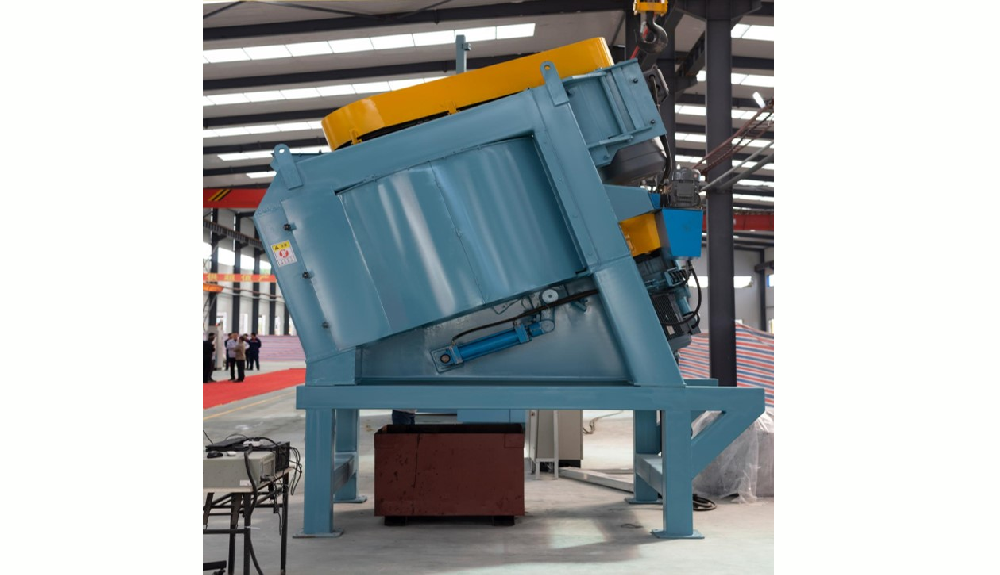
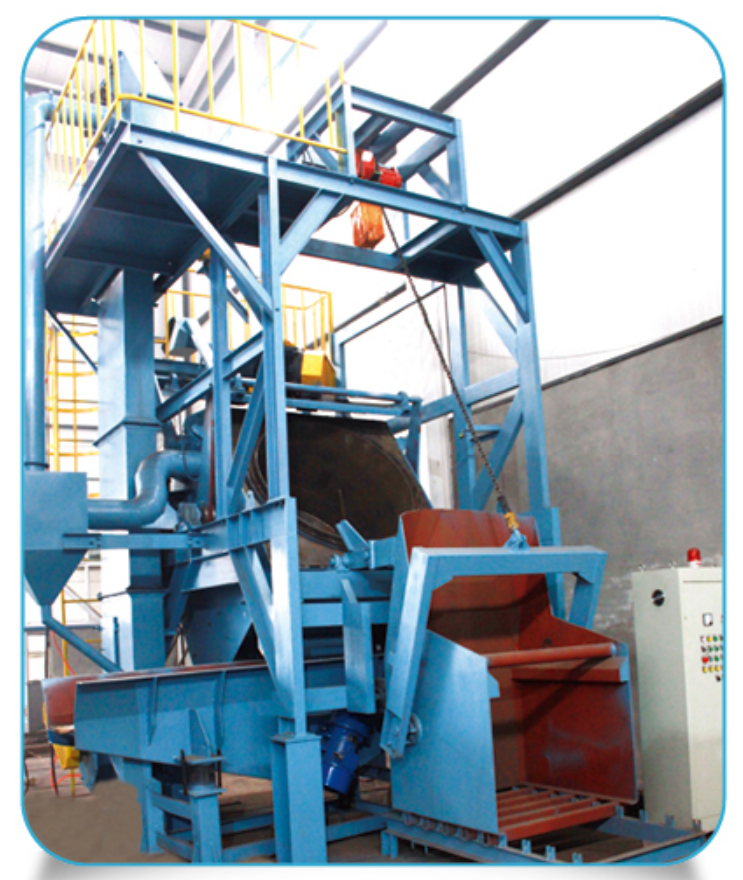
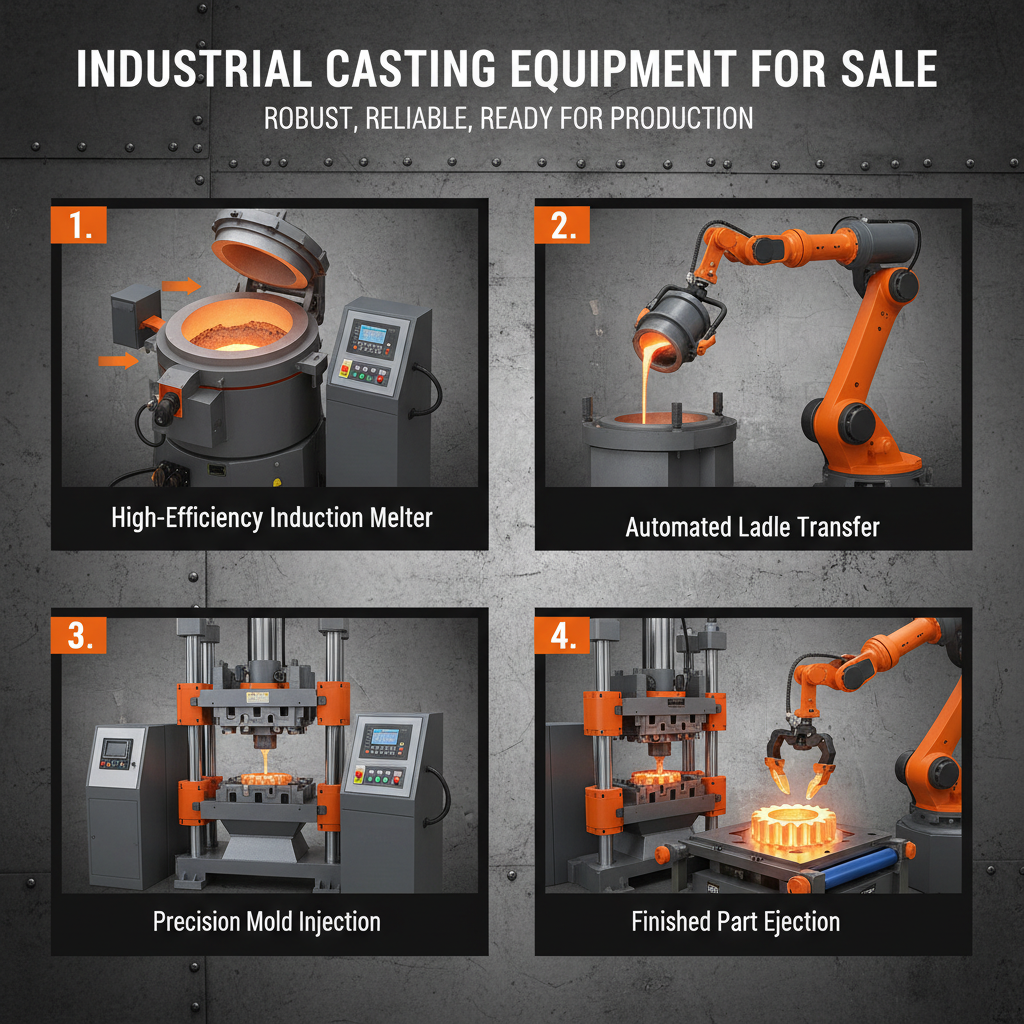
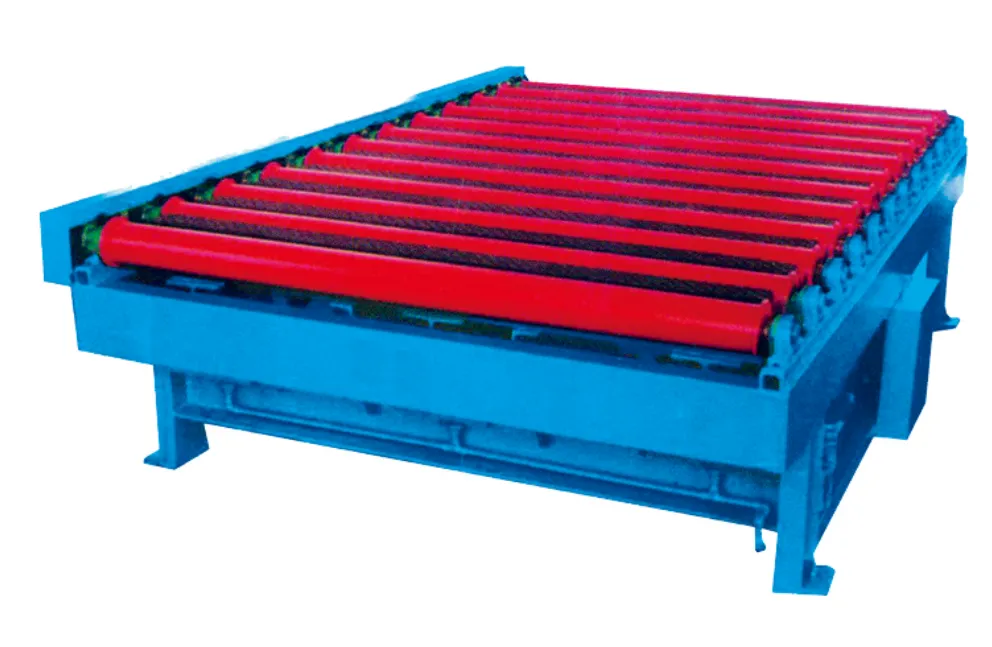
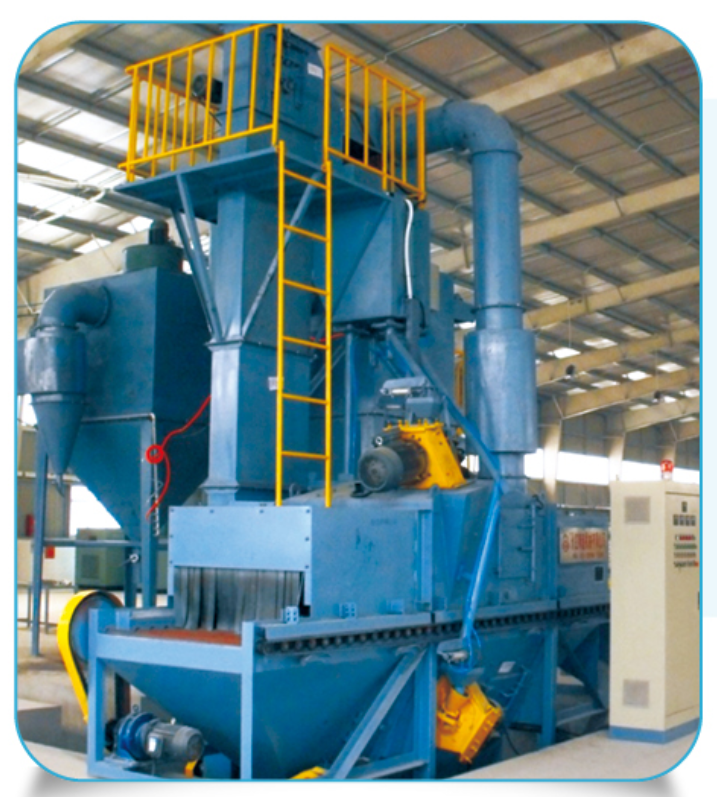
Forming equipment, in simple terms, is machinery designed to shape raw materials — often metals or plastics — into precise, usable parts through pressure, bending, stretching, or rolling. It’s vital not only for mass production but also in specialized contexts like post-disaster shelter fabrication or remote industrial setups that need on-demand, resilient components.
In this overview, we’ll explore why understanding forming equipment matters, how it connects global challenges with innovative solutions, and what the future holds for this pivotal technology.
Globally, manufacturing accounts for roughly 16% of the world’s GDP (World Bank, 2023), and forming equipment is a linchpin in that massive economic engine. From automotive to aerospace, construction to consumer electronics, the ability to rapidly and reliably form parts improves productivity, reduces waste, and enhances product quality.
But there’s more than just economics at stake here. According to the UN, rapid urbanization coupled with climate crises is straining infrastructure worldwide. The industry’s challenge? Deliver more durable, affordable, and sustainable solutions faster. Forming equipment addresses this by enabling more efficient use of materials, cutting down energy use, and supporting modular construction techniques that can adapt to these urgent needs.
The problem oftentimes is complexity — many forming machines require heavy setups or skilled operators. This can limit their reach in developing regions or emergency zones where speed and simplicity matter more.
At its core, forming equipment reshapes raw materials without cutting them. Imagine taking a flat metal sheet and bending it precisely so it fits just right into a car frame. The trick lies in techniques like stamping, rolling, pressing, and deep drawing. Each method serves a unique purpose depending on material thickness, desired shape, and production volume.
It’s deeply connected to modern industry — enabling high precision and repeatability — and, oddly enough, humanitarian needs too. For example: modular shelters made rapidly from shaped metal panels require forming machines that work reliably under tough conditions.
Forming equipment must withstand intense pressure and repetitive cycles flawlessly. A machine’s reliability translates directly into uptime and cost savings — nobody wants delays because a press broke down mid-production.
Precision isn’t a “nice-to-have” but an absolute. Parts need to fit together perfectly. Also, modern systems scale well — from small workshops to giant factories — without losing quality or speed.
Efficient forming gear reduces material waste, energy use, and labor costs. It’s a balance; some machines carry high upfront investments but pay off in the long run. I always say, think of it like buying a good pair of boots — expensive now, but they’ll last and serve better.
Materials evolve, as do design needs. Forming machines that can switch dies or settings quickly save time and support customization — a must in today's market.
Given the forces involved, operators’ safety is paramount. Modern forming equipment often incorporates sophisticated sensors, guards, and automatic shutdown functions to minimize risks.
Take the case of a Southeast Asian NGO that outfitted remote sites with compact forming equipment to produce steel frames locally, cutting shipping delays and boosting local job skills. That’s the story of “form” meeting need, exactly where innovation counts.
There’s more than just fast turnaround and cost savings. Environmentally, forming machines reduce scrap significantly, lowering landfill pressure and resource depletion. Socially, better products mean safer buildings, vehicles, and equipment — translating into trust and dignity for users worldwide.
Plus, innovation in this area promotes forward-thinking manufacturing setups — often smaller, automated, and more energy efficient. It’s a win-win from logical dollar savings to the almost intangible value of improving people’s lives.
| Specification | Model A100 | Model B250 |
|---|---|---|
| Max Pressure | 250 tons | 400 tons |
| Table Size | 1.2m x 0.8m | 2.0m x 1.5m |
| Cycle Time | 30 seconds | 20 seconds |
| Power Consumption | 15 kW | 28 kW |
| Weight | 2,500 kg | 5,800 kg |
| Vendor | Price Range | Lead Time | Customization | After-Sales Support |
|---|---|---|---|---|
| SteelForm Corp. | $$$ (High) | 8 weeks | Extensive | Global 24/7 |
| RapidPress Solutions | $$ (Medium) | 4 weeks | Moderate | Regional, M-F 9–6 |
| Yonghong Machinery Co. | $ (Competitive) | 6 weeks | High | Dedicated local teams |
The industry is buzzing with new developments. Automation is a big deal — robotic arms integrated with forming presses ensure faster, more precise results and reduce manual risks. Then there’s digital transformation: IoT sensors monitor machine health and output quality in real-time, helping companies avoid costly downtime.
Material science also pushes boundaries — lightweight alloys and composites require machines that handle new strengths and flexibilities without fail. Another interesting trend is green forming technologies that minimize energy consumption and use recycled materials, aligning with stricter environmental policies worldwide.
One persistent wrinkle is the high cost of advanced equipment, which limits accessibility for smaller manufacturers or nonprofits. Another challenge is operator training — these machines can be complex.
Yet, many vendors now offer modular machines designed to be user-friendly and scalable. Partnerships with vocational schools and onsite training ensure operators gain confidence and skills quickly. Innovations in remote diagnostics and maintenance also mean machines can be fine-tuned or serviced without long waits.
Looking ahead, forming equipment will only grow in importance as industries aim for smarter, greener, and more agile production. It offers tangible benefits from cost savings and faster projects to social impacts like safer buildings and trusted infrastructure.
So if you’re scouting ways to innovate your manufacturing line or support humanitarian projects with proven technology, forming equipment is where form meets future. Don’t just take my word for it — see what’s available now by visiting forming equipment suppliers and exploring your options.
Sometimes the best innovations go unnoticed because they’re just so solid and reliable, but that’s exactly why forming equipment deserves your attention.
References:
1. World Bank: Manufacturing, value added (% of GDP)
2. United Nations Urbanization Prospects (2023): Urbanization Trends
3. ISO Standards for Forming Machines: ISO 37017