Release Time:2025-12-02
If you’ve ever admired the glossy, durable finish of alloy wheels, especially those treated for extra resilience, you might have come across sand blast alloy wheels. At a glance, the term evokes images of rugged industrial work — and in many ways, it does. But it’s not just about surface aesthetics; sand blasting alloy wheels is a critical process that boosts their durability, performance, and longevity. Globally, the automotive and machinery industries rely heavily on this process, as do countless other sectors that value strong yet lightweight components. Understanding this process is crucial not only for manufacturers but for the end users who expect reliability and style in equal measure.
Why does this matter worldwide? Alloy wheels, favored for their weight advantage over steel, help improve fuel efficiency and handling. Yet without proper surface treatment, they’re prone to corrosion and wear. Sand blasting prepares these wheels in a way that ensures coatings adhere better and surfaces resist harsh environmental factors. Given how much alloy wheels contribute to vehicle efficiency and safety, it’s clear this is a key piece of the puzzle in sustainable automotive manufacturing.
Looking at global data, nearly 70 million alloy wheels are produced annually, according to industry reports. Organizations like the International Organization for Standardization (ISO) are tightening quality standards, emphasizing surface treatment processes — including sand blasting — as vital for meeting durability benchmarks. The increasing environmental regulations around emissions and fuel economy further push manufacturers to focus on lighter, more efficient wheels that still maintain tough outer layers. Yet untreated metal surfaces rapidly degrade, creating safety and cost issues.
Consider the challenge: alloy wheels must withstand everything from road salt in Scandinavia to desert sandstorms in the Middle East. Without preparation like sand blasting, paint or powder coatings don’t “bite” well, causing peeling or flaking, which means premature failure. This is a global hurdle — but one that sand blasting helps to overcome elegantly.
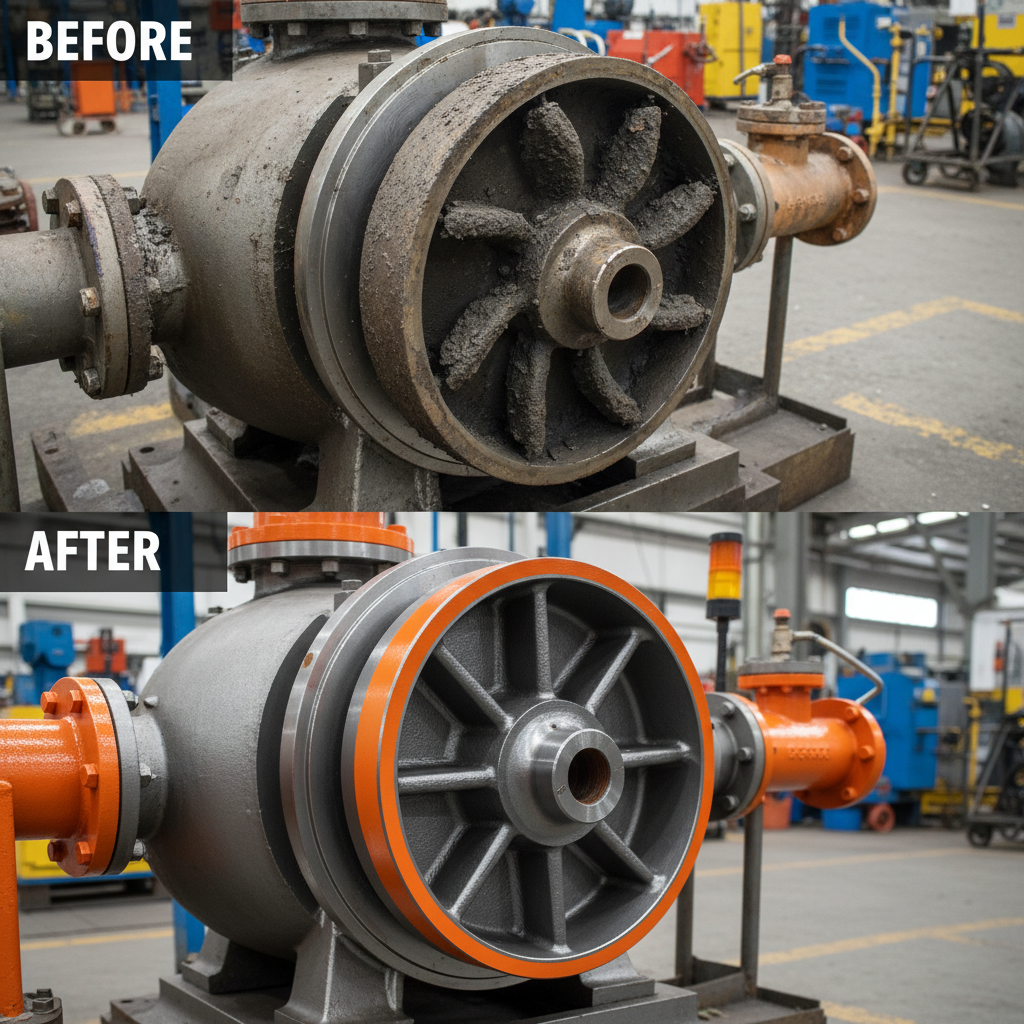
Simply put, sand blast alloy wheels refer to alloy wheels that have undergone sand blasting — a process where abrasive particles are blasted at high speed against the wheel surface. This “cleans” the metal, removes impurities and old paint, and roughens the finish just enough to create a perfect base for subsequent coatings to adhere flawlessly. The process isn’t about sand alone anymore — often, specialized abrasives are used, but the name stuck.
The result is a wheel surface that’s not only uniformly clean but also better equipped to handle stresses and exposure in everyday driving conditions. On a humanitarian note, as alloy wheels become more affordable and durable worldwide, they indirectly enhance mobility and economic opportunities in developing regions where vehicle maintenance options are limited.
By creating an ideal roughness without damaging the underlying metal, sand blasting extends the lifespan of alloy wheels significantly. This means fewer replacements, lower waste, and ultimately better cost efficiency over time.
The blasted surface gives primers and paints an anchor point. This is fundamental because even the best paints fail if they can’t “grab” the wheel with enough grip. Without sand blasting, coatings peel off quickly especially under harsh road conditions.
Prepping the wheels correctly with sand blasting helps prevent corrosion — one of the main enemies of alloys. A wheel that resists rust remains safe and visually pleasing much longer.
While sand blasting itself doesn’t reduce weight, it enables thin, even coatings that don’t add excess bulk. Keeping the wheel lightweight improves fuel economy and handling.
Sand blasting ensures a consistent texture across the entire wheel, which is critical not just for looks but for uniform wear and balanced driving performance.
Sand blast alloy wheels combine science and craft, offering tough, sustainable wheels that meet modern expectations. Simply put: it’s the difference between wheels that last years and those that start looking tired (and unsafe) within a season.
These wheels are everywhere—from personal vehicles in Europe’s bustling cities to off-road machinery in Australia’s mining hubs. Automotive manufacturers in Germany and Japan standardize sand blasting to maintain premium quality, while in the Middle East, where extreme heat and sand are routine, the treatment protects wheels from abrasive wear.
The benefits cascade into sectors like:
Notably, humanitarian organizations in disaster-prone areas increasingly prefer vehicles with treated alloy wheels, because reliability means getting aid exactly where it’s needed without breakdowns.
In real terms, sand blast alloy wheels save money, increase vehicle lifespan, and underpin safety. Drivers experience fewer worries about cracks or corrosion, and vehicle owners see reduced maintenance bills. On a bigger scale, less frequent replacements mean less environmental strain—a core concern these days.
There’s also an emotional side: a well-kept wheel feels trustworthy, projecting pride and careful maintenance. For many, a car isn’t just transport; it’s identity and independence.
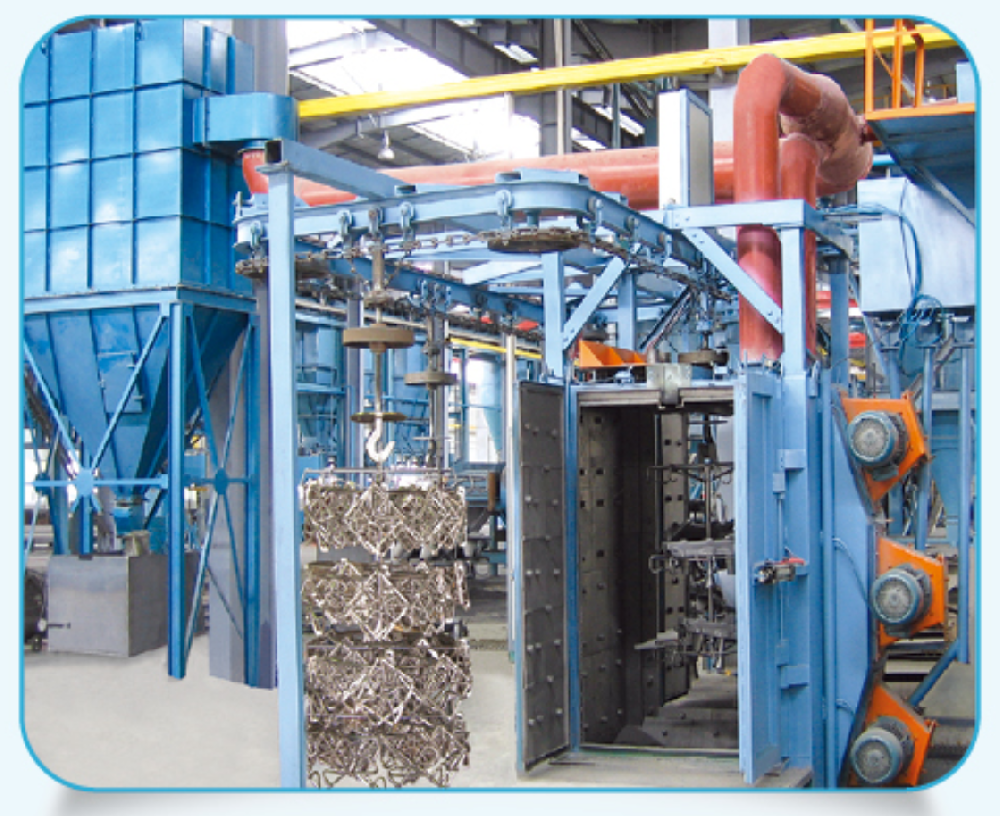
Technology is evolving. Materials science points towards eco-friendly abrasives replacing silica sand to meet stricter health guidelines. Digital transformation brings automated blasting systems for consistent quality and reduced human exposure. Meanwhile, research in nanocoatings could complement sand blasting to produce wheels that self-clean or resist scratches.
Moreover, as electric vehicles rise, their torque and weight profiles demand even tougher wheel surfaces — which will keep the sand blasting process in the spotlight.
Despite its benefits, sand blasting must be carefully controlled. Too aggressive a blast can weaken wheels; too light, and the coating won’t stick. Environmental concerns about dust and abrasives have pushed industries to adopt closed systems and non-toxic media.
Innovators are exploring dry ice and glass bead blasting as alternatives, balancing effectiveness and eco-impact. Plus, workforce training remains essential to avoid damaging costly wheels.
| Specification | Typical Range/Value | Notes |
|---|---|---|
| Thickness of Coating | 50 - 80 microns | Ensures durability without excess weight |
| Surface Roughness (Ra) | 2.5 - 4.0 microns | Optimal for coating adhesion |
| Abrasive Medium | Aluminum oxide or glass beads | Eco-friendly options increasingly popular |
| Processing Time | 5 - 15 minutes per wheel | Depends on wheel size and equipment |
| Typical Cost Increase | $10 - $20 per wheel | Offset by longer lifespan |
| Vendor | Abrasive Options | Automation Level | Environmental Standards | Cost Efficiency |
|---|---|---|---|---|
| BlastPro Inc. | Aluminum oxide, glass beads | High (robotic arms) | ISO 14001 certified | Moderate |
| EcoBlast Solutions | Dry ice, recycled glass | Medium (semi-automated) | Verified low dust emissions | Higher upfront |
| RapidWheel Finishers | Traditional silica sand | Low (manual blasting) | Basic controls | Low cost |
Sand blast alloy wheels are far more than a cosmetic upgrade. They’re a pivotal investment in vehicle safety, longevity, and environmental responsibility — values that matter whether you’re a manufacturer shipping millions of wheels or a driver hoping to avoid roadside troubles. The industry is evolving, promising more environmentally friendly materials and smarter automation, but the core principle remains: well-prepared surfaces lead to stronger, longer-lasting wheels.
For anyone interested in quality sand blast alloy wheels that balance performance and sustainability, be sure to visit our website. It's a small step that could save your wheels — and wallet — in the long run.