Release Time:2025-12-02
If you’ve ever wondered how precisely shaped plastic parts, packaging, or even automotive components come to life, chances are a horizontal molding machine was involved somewhere in the process. This mechanical marvel shapes materials with efficiency and finesse, contributing massively to manufacturing sectors worldwide. Understanding how it operates and its applications is more than just a glance at factory lines—it's a gateway into modern industry and resource management.
Why does it matter globally? Well, manufacturing accounts for roughly 20% of the world’s economic output, according to the World Bank. Machines like horizontal molders streamline production, reduce waste, and help maintain consistency, which are all crucial for supply chains delivering everything from household goods to critical medical devices.
In this light, exploring horizontal molding isn't just a niche industrial topic; it’s part of the global conversation around sustainable manufacturing and innovation.
On the global stage, manufacturing is evolving rapidly—driven by tighter regulations, sustainability goals, and the ever-increasing demand for faster, cheaper production. According to ISO reports, automation and precision molding technologies, including horizontal molding machines, are essential in meeting these industry standards. But, confrontingly, the challenge remains: how to keep production scalable, cost-efficient, and eco-conscious without compromising quality.
Horizontal molding machines have stepped up to this challenge by offering increased cycle speeds, superior mold access, and easier automation integration. Industries ranging from automotive to packaging rely on these machines to cut down manual labor and reduce downtime. Even humanitarian organizations tap into them to produce durable materials quickly in disaster zones.
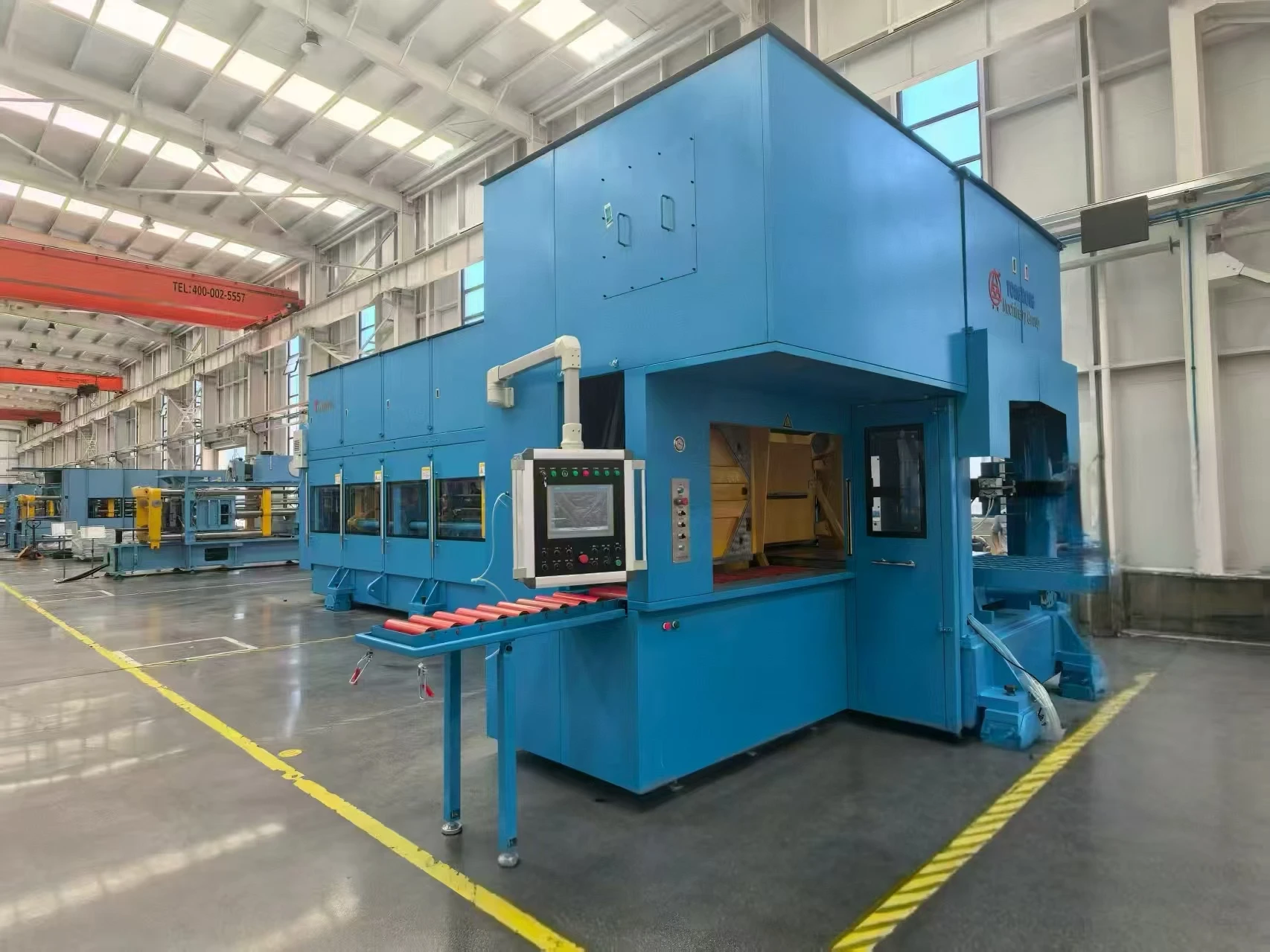
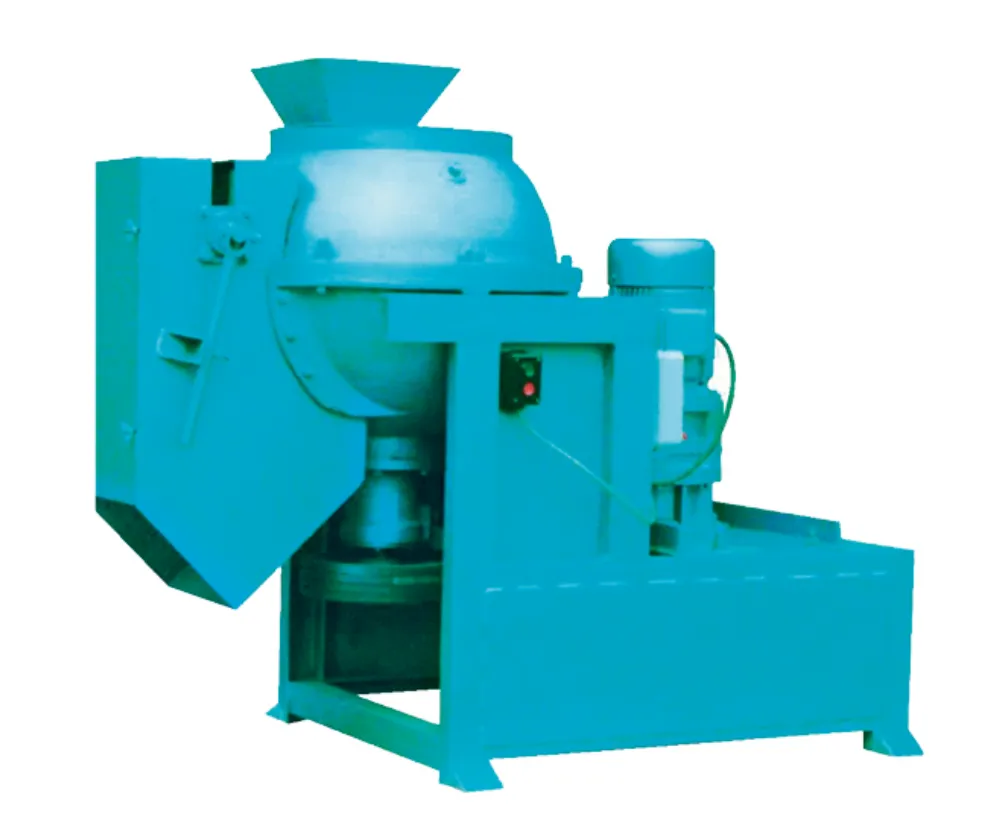
Put simply, a horizontal molding machine is a piece of manufacturing equipment where the mold opens sideways (horizontally), and material is injected or pressed to form parts. Unlike vertical molding machines, which open up and down, this horizontal movement is preferred for faster cycles and better mold accessibility.
This design plays a big role in modern industry, as it supports mass production with consistent quality. Beyond just factories, this technology helps meet humanitarian needs by enabling the quick production of standardized components for shelters, medical devices, or water containers, adapting to emergency and industrial demands alike.
Horizontal molding machines are constructed to handle thousands of cycles a day, often under continuous operation. The sturdiness not only reduces maintenance downtime but ensures reliable output — critical for industries like automotive or aerospace where part failure is not an option.
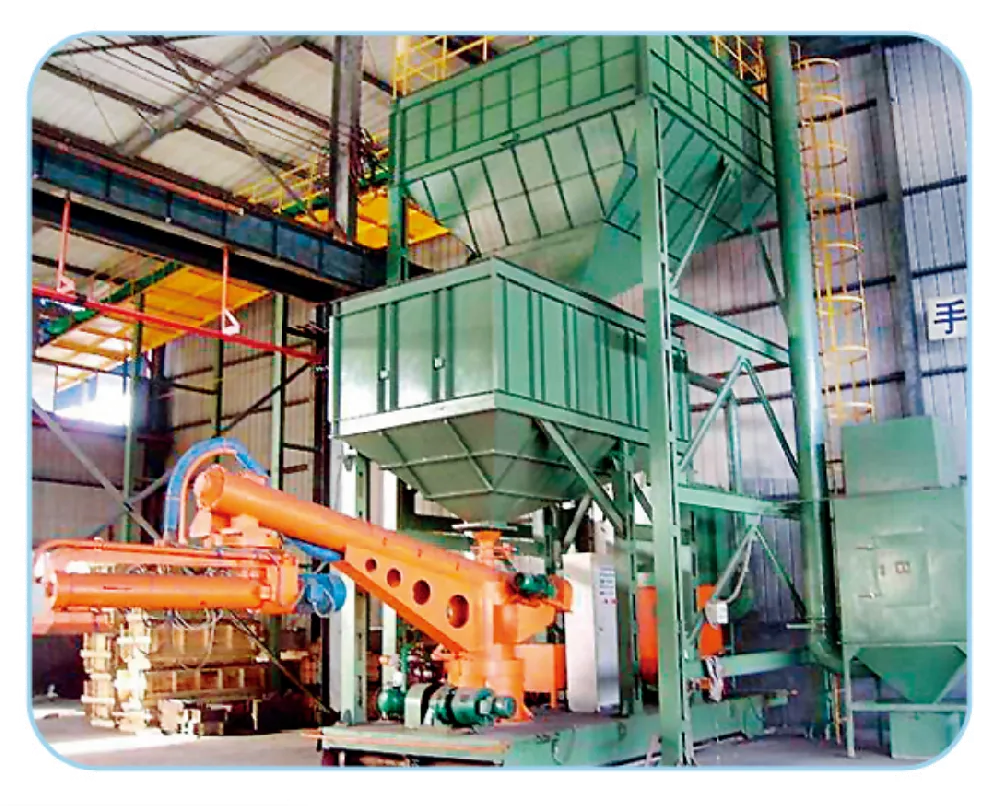
These machines come in various sizes and capabilities. For a small manufacturer, a compact horizontal molder might suffice, while global players run full-scale units producing millions of parts annually. This scalability accommodates everything from prototyping to full mass production.
Compared to vertical machines, horizontal molders often demonstrate lower cycle times and energy consumption due to better mold clamping mechanisms and optimized movements. Plus, their compatibility with automation means fewer labor costs and higher throughput. In an age when energy use translates directly into environmental impact and costs, this is a huge plus.
Modern horizontal molding machines often feature interfaces for robotics or smart factory systems. That means they’re ready to be part of the Industry 4.0 ecosystem, giving real-time data and reducing human error — a real game-changer in quality control.
These machines aren’t just for plastics; many models work with rubber, silicone, or composites. This versatility broadens their utility across sectors from medical devices to automotive seals and packaging innovations.
In real terms, if you’re looking at production machines, understanding these core aspects of horizontal molding machines gives you a roadmap for selecting equipment that balances durability, economy, and modernization.
Well, the answer is: just about everywhere. For instance:
One example: A relief organization in the Philippines used horizontal molding machines onsite to produce weather-resistant connector parts for disaster relief shelters, speeding up construction dramatically compared to shipping prefabricated parts.
| Specification | Typical Value/Range | Notes |
|---|---|---|
| Clamping Force | 100 - 2000 tons | Dependent on machine size |
| Cycle Time | 15 - 60 seconds | Faster cycles for smaller parts |
| Machine Weight | 4,000 - 50,000 kg | Varies with model and capacity |
| Power Consumption | 30 - 150 kW | Depends on cycle and automation |
| Material Compatibility | Plastics, rubber, composites | Materials influence settings |
| Vendor | Innovation Focus | Price Range | Global Reach | Automation Features |
|---|---|---|---|---|
| Yonghong Machinery | Smart Factory Integration | $$$ | Asia, Europe, Americas | Robotics-ready |
| MoldTech International | Sustainable Materials Compatibility | $$$$ | Europe, North America | IoT-enabled monitoring |
| PrimaMold Systems | High Precision Micro Molding | $$ | Asia, South America | Semi-automated |
It roughly boils down to four big wins:
Automation is the headline. Integration with AI-driven quality inspections, digital twins, and remote monitoring are quickly becoming standard. One noteworthy innovation is the shift toward eco-friendly materials compatible with these machines — bioplastics and recycled compounds allow manufacturers to reduce their carbon footprint.
Energy recovery systems and servo-driven motors now power many horizontal molders, making them quieter and far more efficient. The future, frankly, looks a lot less wasteful and more connected.
No technology is perfect, and horizontal molding machines face hurdles
These machines aren’t just workhorses—they are quiet enablers of efficiency, sustainability, and innovation. Investing time to learn about horizontal molding machine technology, its variants, and best practices is a step toward smarter manufacturing and, frankly, a better world.
Curious to explore the latest models? Check out Yonghong Machinery for offerings that blend intelligent design, scalability, and the promise of future-ready industry solutions.