What’s So Special About the Linear Motion Vibrating Screen?
Ever stumbled upon the term linear motion vibrating screen and wondered why it’s a bit of a buzzword in industries ranging from mining to recycling? It’s not just a fancy piece of kit; globally, these screens play a surprisingly huge role in sorting, separating, and improving efficiency for countless tasks. Beyond that, understanding their function touches on bigger issues — sustainability, cost efficiency, and even humanitarian aid.
Frankly, mastering the ins and outs of this technology helps businesses cut waste and improve product quality. With environmental pressure mounting, better screening means less raw material lost and less energy wasted. So yeah, it matters — on a global scale.
---
Global Context: Why the Linear Motion Vibrating Screen Matters Today
The world’s appetite for raw materials continues to grow exponentially. According to the United Nations’ 2023 report on resource management, global mineral extraction outpaces population growth by nearly 1.5 times. That’s a lot of rock and ore to sift through. Enter the linear motion vibrating screen — an indispensable tool in keeping production lines swift and clean.
Mining, which alone accounts for millions of tons of extracted materials yearly, depends heavily on screens that can handle tough, abrasive materials while staying energy-efficient. The International Organization for Standardization (ISO) has even published guidelines on testing screening machines to reduce operational risks and improve efficacy. The challenge? Achieving faster throughput without compromising on separation accuracy.
In fields like agriculture or waste management, the linear motion vibrating screen addresses bulk screening challenges as well. Seriously, this is about more than separating grit from grain. It’s about sustaining industries and, by extension, livelihoods.
Mini takeaway: The linear motion vibrating screen stands at the crossroads of efficiency and sustainability in a globally resource-hungry landscape.
---
Defining the Linear Motion Vibrating Screen: What Exactly Is It?
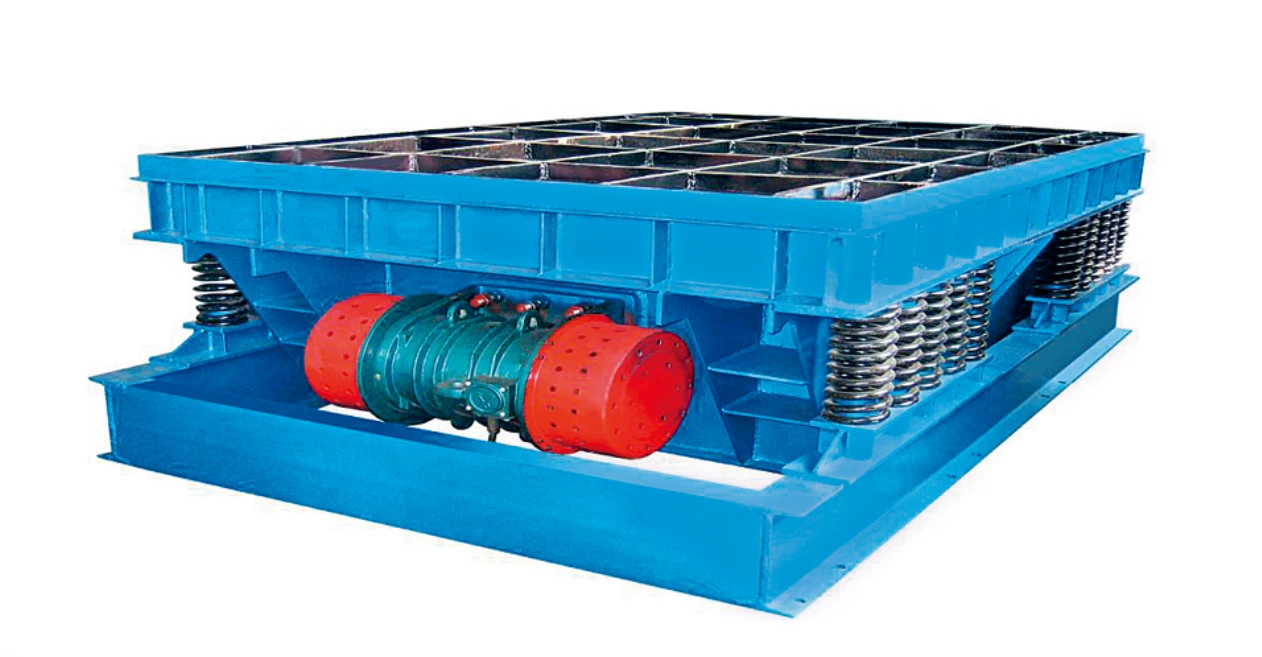
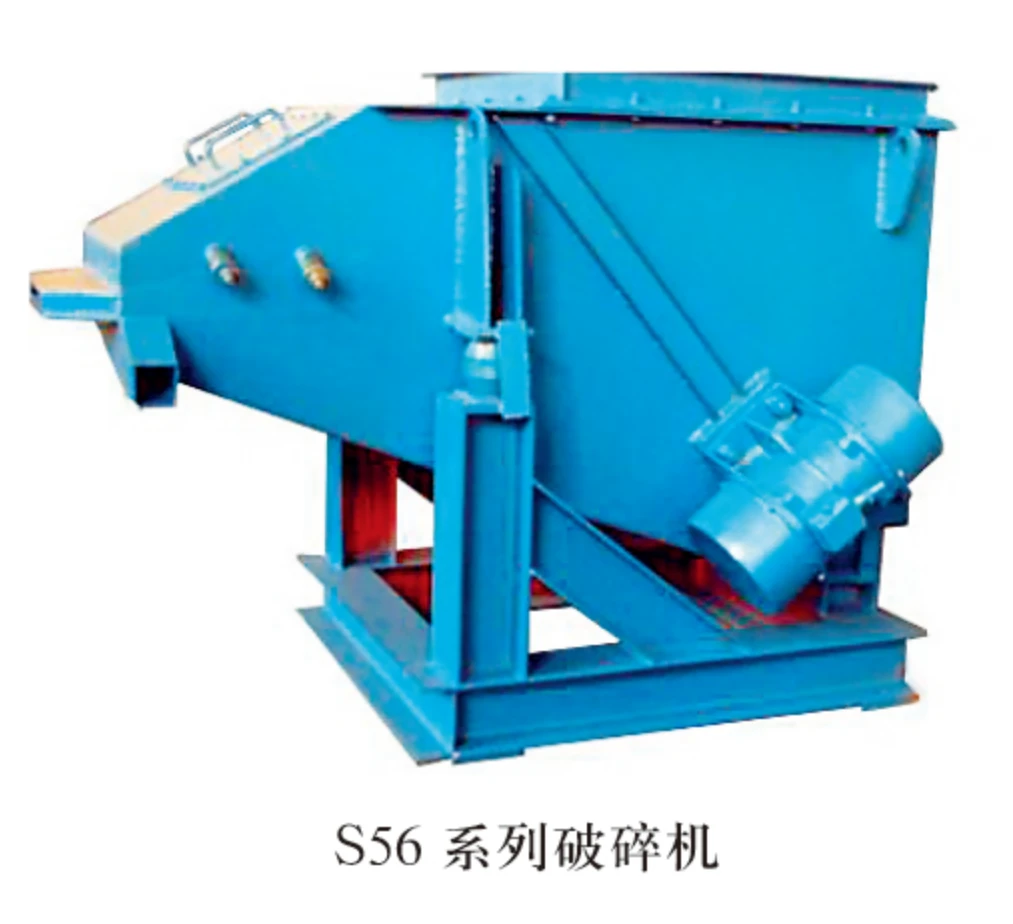
Put simply, a linear motion vibrating screen is a mechanical separator that sorts particles based on size using a straight, back-and-forth vibrating motion. Imagine shaking a sieve horizontally, except a lot more engineered, precise, and durable.
Compared to circular or elliptical vibrating screens, the linear motion model moves materials in a straight line, which helps reduce impurity buildup and clogs. It’s commonly found in mineral processing plants, chemical industries, and even food stuff preparation lines. The technology connects modern industrial needs with humanitarian endeavors too — such as in disaster relief efforts where quick screening of construction debris or soil is critical.
Understanding this device’s fundamental role helps you appreciate how much engineering and design go into something that might just look like "a box with a screen" from afar.
---
Core Components and What They Mean for Real-World Use
1. Durability
These screens are typically made from high-strength steel or alloys that resist abrasion and corrosion, which means less downtime and longer lifespan in harsh environments.
2. Scalability
From small lab units to large industrial setups, you can scale a linear motion vibrating screen to fit the specific capacity or footprint needed.
3. Cost Efficiency
Its simple vibrating mechanism generally requires lower maintenance and consumes less power than more complex alternatives. Over time, that adds up to notable savings.
4. Screening Accuracy
The linear stroke provides fine particle separation with minimal overlap, making it ideal for materials that require precision.
5. Ease of Integration
Compact and relatively lightweight, these screens slot into various processing flows without needing major structural changes.
---
Where in the World Are These Screens Making a Difference?
Mining hubs like Australia, Canada, and South Africa rely heavily on linear motion vibrating screens to optimize ore processing. In Asia, especially China and India, such screens help in coal preparation and heavy mineral recovery.
Beyond mining, in post-disaster relief projects — say after an earthquake in Japan — these screens assist in quickly sorting debris for recycling or safe disposal. Meanwhile, in remote industrial zones or developing nations, portable versions enable small-scale operations to reduce manual labor and boost output.
In Europe’s recycling centers, linear motion vibrating screens efficiently separate plastics and metals, helping meet EU sustainability goals.
Mini takeaway: These screens aren’t just factory fillers — they’re enabling industries and communities worldwide to deal responsibly with natural and manmade materials.
---
Product Specifications: A Typical Linear Motion Vibrating Screen
| Specification |
Details |
| Screening Area |
2.5 m² to 20 m² |
| Vibration Frequency |
800–1200 RPM |
| Material Handling Capacity |
3–50 tons/hr |
| Power Consumption |
2–15 kW |
| Screen Mesh Sizes |
0.25 mm to 50 mm |
| Weight |
700–4000 kg depending on size |
---
Comparing Top Vendors: Who Makes the Best Linear Motion Vibrating Screens?
| Vendor |
Product Range |
Global Reach |
Customization |
Average Price |
| Yonghong BQ |
Small to Large screens, modular units |
Asia, Europe, Africa |
Highly customizable |
$$$ |
| Metso Outotec |
Industrial heavy-duty models |
Global |
Custom engineering available |
$$$$ |
| Fangyuan |
Budget to mid-range options |
Asia, Africa |
Limited customization |
$$ |
---
Advantages & Long-Term Value of Linear Motion Vibrating Screens
I’ve noticed that many engineers swear by the reliability of linear motion vibrating screens. For one thing, they’re proven workhorses — simple design means fewer parts to fail, which is a huge plus in remote or harsh job sites. Cost-wise? You save on energy bills because the efficient vibration needs less power. Plus, less wasted material can mean significant environmental dividends, especially when you’re talking tons of processed ore or recycled materials every day.
There’s also an emotional angle not to dismiss: great equipment creates trust among workers and management. When machinery feels dependable and easy to maintain, production teams relax a tad, and that often leads to better overall results.
Ultimately, these screens help industries innovate responsibly — a matter that’s more than just bottom-line these days.
---
Future Trends in Linear Motion Vibrating Screening
The future looks intriguing. Innovations are leaning into automation — remote monitoring sensors that detect screen tension or wear without halting operation. Then there’s the integration of greener materials for screen mesh, aiming for longer life with fewer replacements.
Digital transformation is pushing toward smart vibrating screens that self-adjust vibration frequency or amplitude depending on material, optimizing throughput in real-time. Also, more modular designs are emerging, letting operators swap out parts quickly to minimize downtime.
Energy harvesting from vibration? That’s still sci-fi for now, but oddly enough it feels like a natural next step.
---
Challenges & How the Industry Is Tackling Them
Linear motion vibrating screens aren’t without quirks. Some complaints? Screens can clog if materials are sticky or damp. In extreme cases, wear on screen meshes limits lifespan.
Innovative approaches include self-cleaning mesh designs or ultrasonic vibration add-ons that shake off stubborn particles. Some vendors offer quick-change screen panels to keep downtime minimal.
Customization also helps — the best screens are tailored to the actual product, not the other way around.
---
FAQ: Your Questions About Linear Motion Vibrating Screens
- Q1: How do linear motion vibrating screens compare to circular vibrating screens in efficiency?
- A1: Linear motion vibrating screens move material straight across the deck, resulting in less material overlap and better separation efficiency for fine particles. Circular screens, on the other hand, have a swirling motion better for coarser separation. So, if precision is the priority, linear models often win.
- Q2: What maintenance steps should operators prioritize?
- A2: Regular inspection of screen mesh tension, checking vibration motors for wear, and lubricating bearings are vital. Also, promptly replacing worn meshes prevents efficiency drops and potential machine damage.
- Q3: Can these screens handle wet or sticky materials?
- A3: Yes, but with caveats. Wet materials can cause clogging; to counter this, some models include spray bars or ultrasonic vibration systems that reduce clogging risk. It’s best to discuss specific material properties with vendors.
- Q4: How quickly can a linear motion vibrating screen be customized for unusual applications?
- A4: Depending on the vendor, turnaround may range from a few weeks to months. Thankfully, vendors like Yonghong BQ specialize in highly customizable designs to suit unconventional material and capacity needs.
- Q5: Are these screens energy-intensive to operate?
- A5: Actually, they tend to be more energy-efficient than many alternatives, requiring roughly 2–15 kW depending on size and capacity, which is fairly modest given their output.
---
Wrapping Up: Why Learning About Linear Motion Vibrating Screens Pays Off
If you’ve made it this far, you probably sense that these are not just “machines” but enablers of smarter industry worldwide. The linear motion vibrating screen helps unlock better resource use, upgrade quality control, and reduce wastage — challenges big and small industries face every day.
So here’s your gentle nudge: Whether you're into mining, recycling, or construction, or maybe even humanitarian work, consider how a quality linear motion vibrating screen might just be the silent hero in your workflow. For a closer look or custom inquiries, feel free to visit
our website. You won't regret digging a little deeper.
---
References
- United Nations Environment Programme
- ISO 9001:2015 Quality Management Systems
- Wikipedia: Vibrating Screen