Release Time:2025-12-02
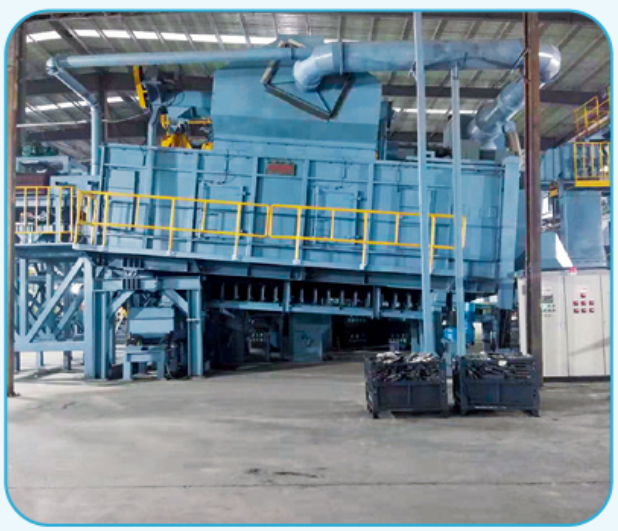
In the vast landscape of industrial equipment, fluidized bed coolers often fly under the radar, but their impact is massive. Essentially, they are cooling systems that leverage fluidization—a science-y term for suspending particles in a gas or liquid—to efficiently cool granular materials such as cement clinker, fertilizers, and even some food products. Why should you care? Because these coolers support entire industries by ensuring products are cooled quickly and evenly, which improves quality, safety, and environmental compliance.
Globally, as industries move towards higher productivity and sustainability goals, understanding and optimizing fluidized bed cooler technology is becoming a key factor in operational success. From construction to agriculture and chemicals, the benefits of grasping this technology transcend borders.
Regionally and globally, the demand for efficient thermal management solutions continues to rise. According to the International Energy Agency (IEA), industrial processes account for roughly 30% of global energy consumption. Cooling, in particular, demands innovations that reduce energy costs and emissions. That’s where fluidized bed coolers come into the picture.
In cement production, for example, the fluidized bed cooler drastically cuts cooling time, making the process energy efficient and reducing greenhouse gases. Countries with booming construction sectors—think China, India, Brazil—are leaning heavily into these systems to meet their growth without compromising environmental standards.
The challenge: traditional cooling methods may waste energy, create uneven cooling (and thus product defects), or require bulky infrastructure. Fluidized bed coolers address these inefficiencies at scale.
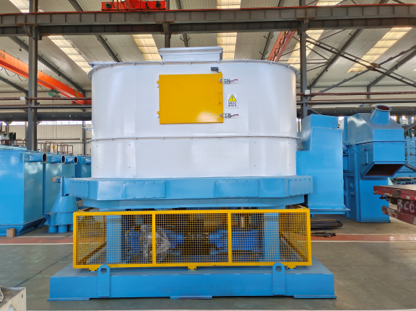
Simply put, a fluidized bed cooler is an industrial device used to cool bulk materials by suspending them in an upward flow of cool air or gas, essentially turning a bed of granules into a fluid-like state. This fluidization creates excellent contact between the particles and cooling medium, dramatically speeding up heat transfer.
This technology plays a key role in ensuring processes like cement clinker cooling happen rapidly and uniformly, preventing overheating or structural damage to granules. Oddly enough, while it sounds high-tech, it’s grounded in a very simple physical principle that engineers have refined and applied widely.
At the heart of fluidization lies a well-designed air distributor, which ensures uniform airflow beneath the material bed. Inconsistent airflow can cause dead zones or channeling, lowering cooling efficiency.
The temperature, velocity, and volume of cooling air need precise control. Many modern systems integrate variable-speed blowers and sensors to adapt cooling dynamically based on process needs.
Particle size, shape, and moisture content influence fluidization behavior. For instance, irregular granular shapes may require adjusted airflow to avoid clogging or uneven cooling.
The material depth affects residence time and cooling capacity. Operators must balance sufficient cooling time with throughput demands.
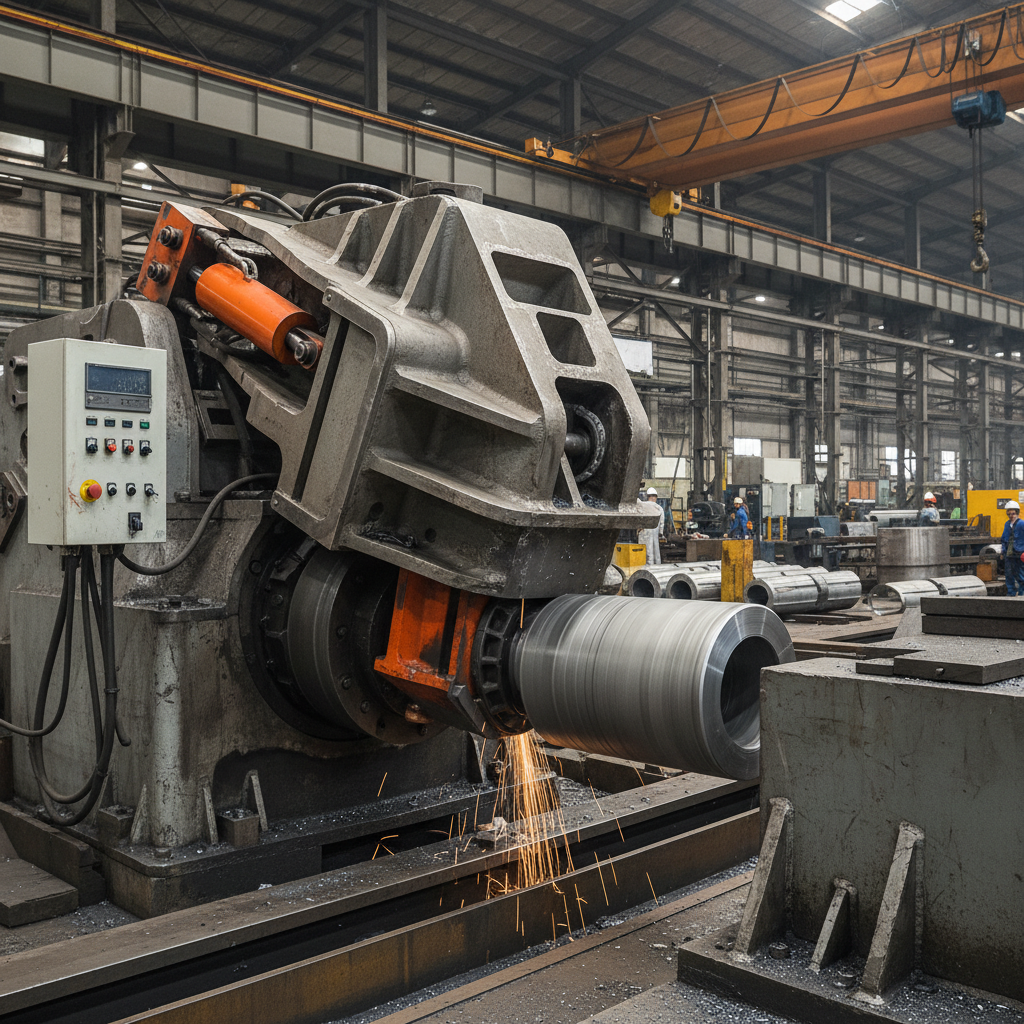
Since these coolers deal with hot and abrasive materials at high flow rates, they’re built robustly, often with wear-resistant alloys or ceramics to withstand harsh industrial environments.
The genius of a fluidized bed cooler lies in balancing airflow dynamics with material characteristics—a dance of physics and engineering.
This technology is a staple across various industries worldwide:
Geographically, regions with intense industrial growth and environmental regulations—like the European Union, China, and North America—are leading adopters.
Another interesting example: In some remote industrial zones—where power reliability is an issue—fluidized bed coolers coupled with smart controls help maintain continuous operations and reduce downtime, a critical business need.
Fluidized bed cooler technology proves versatile across sectors, scaling elegantly from tiny food batches to massive cement kilns.
So, what’s really in it for operation managers and engineers? Several compelling advantages:
Engineers often mention the peace of mind that comes from knowing a system that cools rapidly but gently is installed—improving safety without sacrificing productivity.
| Specification | Typical Range | Notes |
|---|---|---|
| Cooling Air Temperature | 20-120 °C | Depends on incoming material temp |
| Air Velocity | 1.5-4 m/s | Must fluidize particles without blowover |
| Bed Depth | 300-1200 mm | Adjustable for throughput |
| Material Size | 0.1-8 mm typical | Fine particles may require preconditioning |
| Power Consumption | Several 10s kW to 100s kW | Varies with scale and fan power |
| Vendor | Product Range | Key Strengths | Typical Industries |
|---|---|---|---|
| Yonghong BQ | Custom to large-scale fluidized bed coolers | Advanced airflow control, high durability | Cement, fertilizer, mining |
| Babcock & Wilcox | Broad range; includes fluid bed dryers | Global presence, robust engineering | Energy, chemical, food |
| FLSmidth | Integrated cement plant solutions | Specialized in clinker coolers | Cement, mining |
Several key trends are reshaping the scene:
It's an exciting time. I noticed that some manufacturers are even experimenting with hybrid fluidized bed coolers that can switch between drying and cooling modes, improving plant flexibility.
Naturally, no solution is perfect:
Collaboration between engineers and process operators remains key, with many promising developments coming directly from feedback loops in plant operations.
The fluidized bed cooler might not be the flashiest piece of industrial equipment, but its role in streamlining cooling across industries is hard to overstate. If your business depends on processing granular materials, it's worth diving deeper into this technology—not just for efficiency but for sustainability and operational resilience down the road.
For those interested, a good next step is to explore product specifications and vendor options at sites like https://www.yonghongbq.com — the fine print matters, and the right partner can make all the difference.
References:
1. International Energy Agency (IEA) – Industrial Energy Use Statistics
2. Cement Industry Association – Guidelines on Cooling Technologies
3. Wikipedia – Fluidized Bed Technology