Release Time:2026-10-27
THE BUYER'S GUIDE / SELECTION
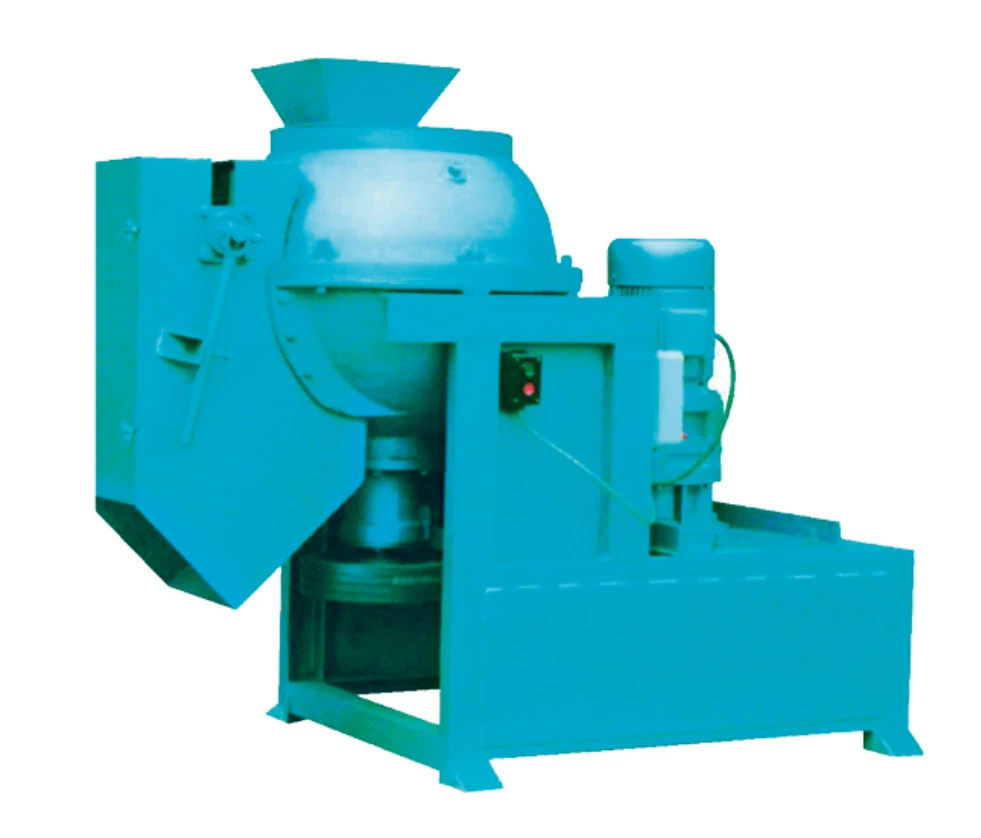
Selecting the right foundry sand mixer depends on your casting scale, sand type, workflow continuity, and mixing mechanism. This guide examines the key purchase criteria—production volume, resin sand compatibility, batch vs. continuous operation, and mobility—and maps them to three confirmed machines from Yonghong Machinery Group Co., Ltd.: the tilting powerful rotor mixer, the S20 series intermittent bowl-type resin sand mixer, and the S28 series mobile resin sand continuous sand mixer.
Sand type and binder system (general molding sand vs. resin self-hardening sand): determines which mixing mechanism and chamber design are appropriate.
Operation mode and production scale (intermittent batch vs. continuous flow, throughput in t/h or kg/batch): determines whether a batch bowl mixer, a tilting rotor mixer, or a continuous mobile unit fits the foundry's output requirements.
Mobility and mold coverage: fixed station designs suit dedicated lines; mobile boom-arm designs suit large-area or pit-mold operations.
Casting material compatibility (cast steel, cast iron, non-ferrous): confirmed for the S20 series; verify with the manufacturer for other models.
Automation and integration: optional automated sand feed, dosing pumps, and smart controls available on the S20; the S28 supports a mechanized assembly-line configuration.
A sand mixer sits at the heart of every molding line. Poor machine selection leads to uneven conditioning, wasted binder, and production bottlenecks. The correct choice depends on your casting material, workflow continuity, and the throughput your floor demands.
Yonghong Machinery Group Co., Ltd. offers three distinct mixer types confirmed in its product catalog. Before comparing them, clarify the purchase criteria below.
The most important question is whether your process uses green sand (clay-bonded) or chemically bonded resin sand.
Your production rhythm determines whether an intermittent (batch) or continuous design fits better.
| Factor | Intermittent / Batch | Continuous |
|---|---|---|
| Typical use | Small-to-medium lots, varied part mix | Large runs, stable part families |
| Process control | Each batch weighed and checked | Flow-rate based, steady output |
| Flexibility | High — quick changeovers | Lower — optimized for one recipe |
| Representative model | S20 series | S28 series |
The S20 series works intermittently inside a spherical bowl container. Two horn blades flip and compress sand against a reflective baffle, completing one blend cycle in 30–60 seconds (exact time depends on model). This mechanism minimizes friction damage to grains — important when grain uniformity affects casting surface quality.
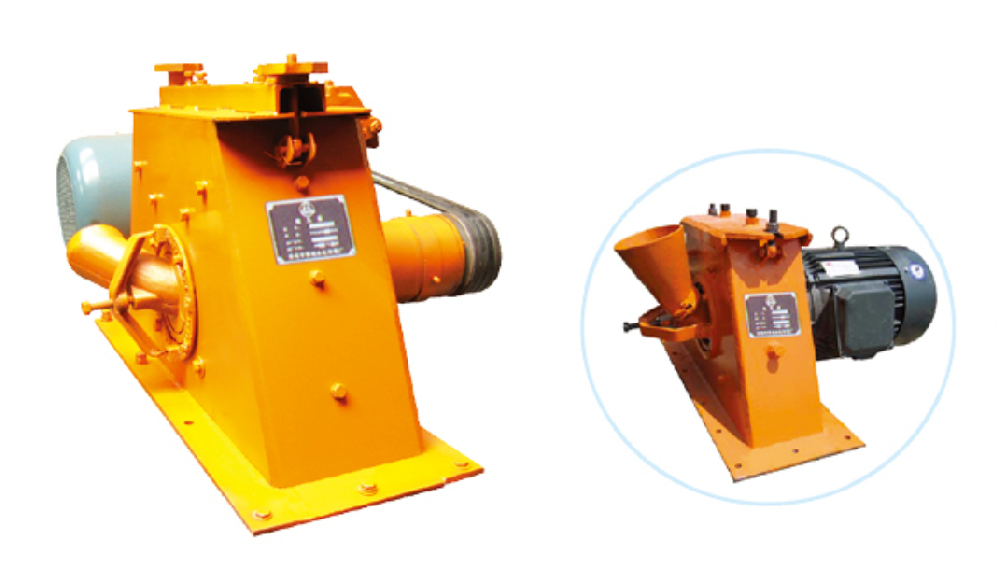
The S28 series uses a double-arm, medium-speed boom-screw conveying system. Sand, resin, and curing agent feed in a controlled stream and exit ready for use. For large-area molds and medium-to-large castings, continuous output avoids wait time between batch cycles.
The S20 series has confirmed throughput figures for two model variants:
Buyers whose output falls within this range have a well-defined specification to match. For higher-volume or large-casting operations, the S28 series' continuous mobile design and mechanized assembly-line capability address greater needs — though specific output figures for S28 configurations should be requested directly from Yonghong Machinery Group Co., Ltd.
Fixed machines suit dedicated pit or flask stations. When your foundry uses large flasks, pit molding, or requires coverage of a wide floor area, a mobile unit is more practical.
The S28 series is explicitly built for this need. Its trolley base, rotating boom, and swiveling mixing tank allow the operator to reposition the discharge point across a large modeling zone. The boom and mixing tank rotate by maneuver to ensure sufficient coverage area — a design point absent in fixed-station rotor or bowl designs.
The S20 series is confirmed suitable for cast steel, cast iron, and non-ferrous metal foundries. If your operation handles multiple alloy families on the same equipment, this multi-material confirmation is relevant to your selection. Evaluate the tilting rotor mixer and S28 series against your alloy mix in consultation with Yonghong's engineering team.
For buyers planning automated or semi-automated lines:
| Criterion | Tilting Rotor Mixer | S20 Bowl-Type Mixer | S28 Mobile Continuous Mixer |
|---|---|---|---|
| Primary sand type | General molding sand | Resin / cold-box sand | Furan resin self-hardening sand |
| Operation mode | Continuous rotor action | Batch (30–60 s per cycle) | Continuous flow |
| Throughput indication | — (request from manufacturer) | 2–6 t/h (S202J–S206J) | Medium-to-large volume |
| Mobility | Fixed | Fixed | Mobile, boom-swing |
| Automation options | — | Automated feed, dosing pump, smart controls | Mechanized line assembly |
| Confirmed alloy fit | Molding sand applications | Cast steel, cast iron, non-ferrous | Large-area mold casting |
Whichever model you shortlist, verify these points before finalizing an order:
For guidance on your specific application, contact Yonghong Machinery Group Co., Ltd. to discuss casting material, production volume, and layout requirements before specifying a configuration.
THE PEOPLE

About the author
THE COMPANY
Yonghong has been developing since 1997 and established Yonghong Machinery Group Co., Ltd. in 2020, mainly engaged in the R&D, production, operation, and export of casting equipment. Over more than 20 years of development, Yonghong has always adhered to the business philosophy of “customer satisfaction and win-win cooperation.” The company currently has over 1,200 employees, including 260 professional and technical personnel, accounting for 21.6% of the total.…
About Us ↗Visit company website ↗YOUR NEXT STEP
Use case, specification, quantity and delivery window: make the next conversation specific.