Release Time:2025-12-02
In a world that's quickly pushing for speed, efficiency, and consistency in manufacturing and construction, automatic pouring machines have stepped into the spotlight. You might assume they're just fancy gadgets for pouring liquids — but these machines are reshaping how we handle materials, improve safety, and reduce waste globally.
Why does this matter? Well, the manual pouring of things like molten metals, cement, or even chemical compounds is not only labor intensive but riddled with inconsistencies and risks. The automatic pouring machine offers a simple solution that scales industrial processes, enhances quality control, and even supports humanitarian efforts where speed and precision save lives.
Mini takeaway: Understanding these machines isn't just for engineers — it's about embracing smarter production systems that affect everything from car manufacturing to building emergency shelters.
The global manufacturing sector contributed roughly $18 trillion to the global economy in 2023 (World Bank). But alongside rapid industrial growth comes the challenge of balancing speed and safety. Manual pouring, especially in steel or concrete works, is still largely prevalent in many parts of the world. In regions where labor shortages, harsh environmental conditions, or urgent reconstruction needs arise, waiting for manual processes can cost time, money, and human lives.
Automatic pouring machines tackle this head-on. According to ISO standards on manufacturing automation, integrating robotics for materials pouring improves throughput by up to 30% while reducing workplace injuries driven by repetitive strain or exposure to hazardous materials. Oddly enough, their impact is also huge in disaster relief—fast, automated pouring helps build robust shelters quicker than ever.
Mini takeaway: Not just an industrial step forward, these machines respond to global needs for safety, speed, and precision — bridging gaps between developed and developing markets.
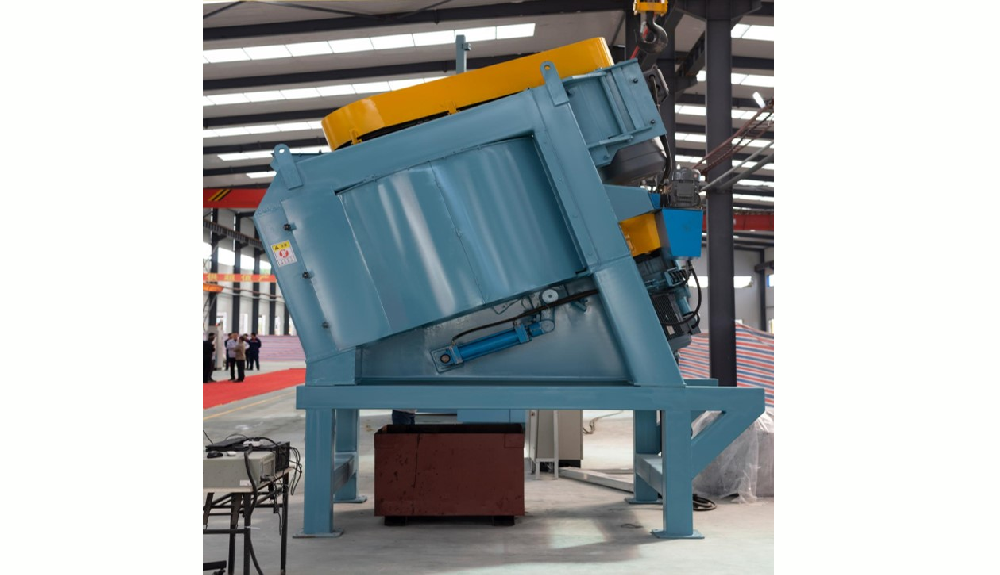
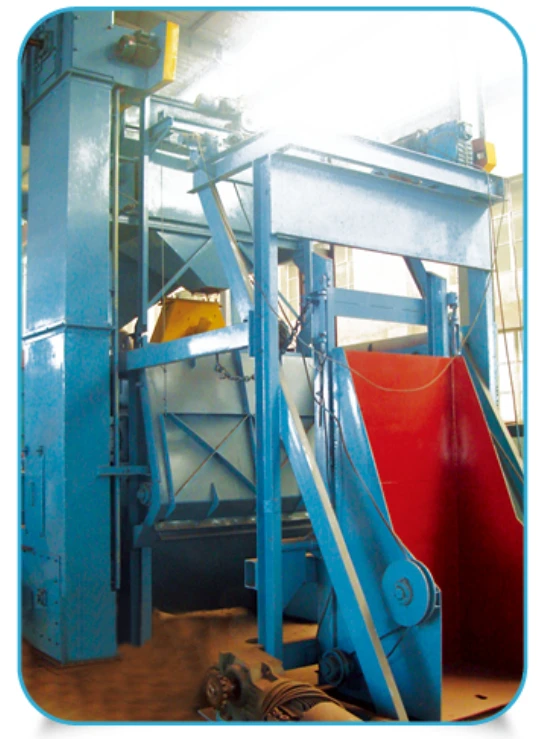
At its core, an automatic pouring machine is a mechanized system that controls the pouring of liquids or semi-liquid materials with minimal human intervention. Imagine a sturdy robot arm or conveyor assembly that precisely measures and dispenses molten metal into molds or pours concrete into forms, with sensors adjusting flow rates dynamically to avoid spills or defects.
These machines combine robotics, sensors, pumps, and control systems to ensure accuracy and repeatability. They are vital in sectors ranging from automotive casting to building infrastructure and even to humanitarian aid setups like quick-deploy housing units where concrete needs to be poured efficiently under tough conditions.
Mini takeaway: It’s not just automation — it’s precision, safety, and reliability wrapped in one.
Most machines use PLCs (programmable logic controllers) or microcontrollers paired with flow sensors to finely tune pouring amounts and speeds. That way you avoid under- or overfill — which can be costly or cause product defects.
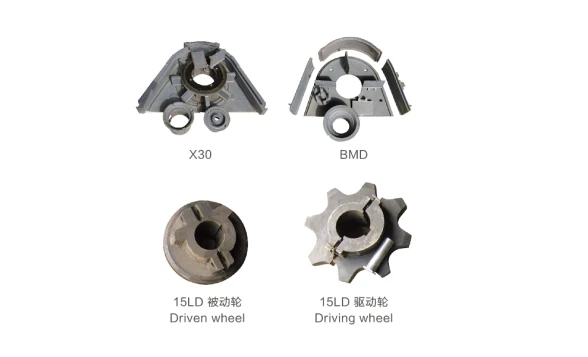
Given their use with harsh materials like molten alloys or concrete mix, the machine parts are made with heat-resistant alloys or treated steel, designed to last in aggressive environments.
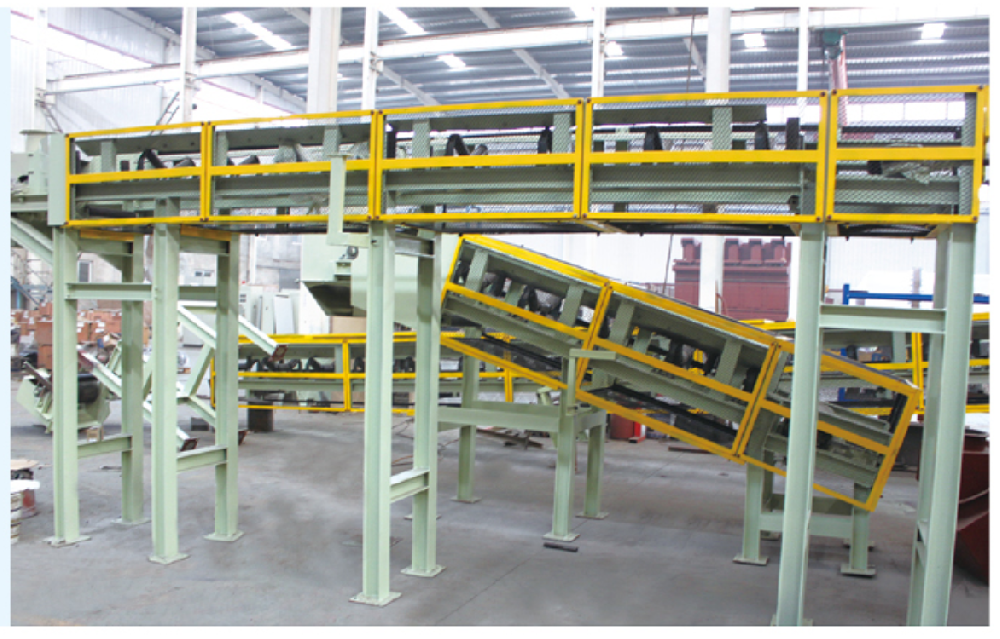
Many models are modular — allowing users to add conveyor belts, temperature sensors, or safety shields depending on their specific needs.
It isn’t all mechanical. Emergency stop buttons, protective enclosures, and fail-safes that detect blockages are critical in minimizing workplace accidents.
While initial investment is noticeable, countless engineers report ROI within 6-12 months due to reduced material waste, increased speed, and lower labor costs.
| Feature | Value | Notes |
|---|---|---|
| Pour Volume Range | 0.5 to 500 liters | Adjustable via software |
| Material Compatibility | Molten metals, concrete, chemicals | Dependent on nozzle and pump |
| Control System | PLC with touchscreen interface | Supports remote operations |
| Safety Certifications | ISO 13849, CE | Complies with EU safety directives |
| Dimensions (LxWxH) | 2000mm x 1500mm x 1800mm | Compact for factory floors |
Automatic pouring machines have a surprising variety of uses. In heavy industry — like foundries in Germany or automotive plants in Japan — they automate molten metal casting, improving product consistency and reducing hazardous exposure. In construction hotspots such as Dubai or Singapore, these machines speed up pouring concrete slabs or precast elements with precision, crucial in skyscraper projects.
Interestingly, humanitarian agencies have also embraced these machines. In post-disaster areas, NGOs deploy portable automatic pouring machines to speed up the creation of shelters or infrastructure, all without large workforces. It’s this blend of industrial robustness and portability that makes them indispensable worldwide.
Plus, from a human perspective, workers feel less strain and more confidence knowing the process is reliable. There’s a quiet dignity in making work safer while increasing output, isn’t there?
| Vendor | Price Range | Customization | Support & Training | Warranty |
|---|---|---|---|---|
| Yonghong | $$$ | High (Modular design) | Comprehensive onsite and remote training | 24 months |
| SteelFlow Inc. | $$$$ | Medium (Limited modules) | Standard documentation only | 18 months |
| AutoPour Systems | $$ | Low (Fixed configurations) | Online resources only | 12 months |
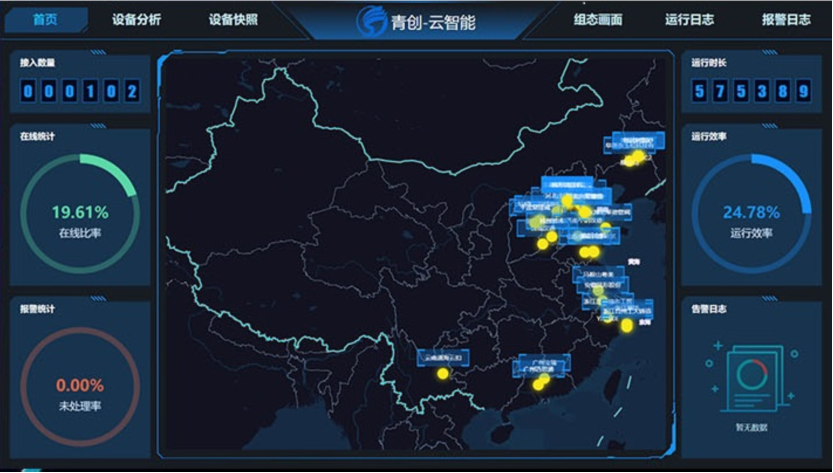
What’s next? Expect these machines to become more IoT-enabled — meaning real-time monitoring via cloud dashboards — letting managers remotely optimize and troubleshoot. There’s also a strong push towards greener materials and power sources. Some prototypes run on solar or hybrid power, perfect for remote sites.
New composites and self-cleaning nozzle technologies cut downtime and wear. And with AI-assisted pouring algorithms, machines learn optimal flows based on environment variables, reducing waste and raising precision. Frankly, it’s a whole new tech frontier worth watching closely.
No tech comes without bumps. The upfront cost sometimes scares smaller workshops, while integrating a machine into existing lines can be complex. Training staff on digital controls also slows initial deployment.
But many experts recommend phased rollouts and combined vendor support packages to smooth adoption. Plus, modular designs let businesses scale as budgets allow. It feels a bit like learning to ride a bike — a bit wobbly at first but soon faster and safer than walking.
To sum it all up, automatic pouring machines are quietly revolutionizing how industries pour, from molten steel to concrete foundations. They’re about safety, efficiency, and intelligent design — hallmarks of the modern industrial age.
If you've been thinking about boosting your manufacturing or construction workflow, seriously, check out the options at automatic pouring machine. The blend of innovation, safety upgrades, and cost savings might surprise you.
In the long run, it's more than just machines pouring material — it’s a pouring forth of new possibilities.