Your casting is getting easier!
link
Telephone:0312-7027666

Intelligent cast iron finishing Solutions for Greek Foundries

Integrating advanced automation and precision machinery to elevate the competitiveness of black metal casting in the Mediterranean industrial hub.

Intelligent cast iron finishing Solutions for Greek Foundries

Providing Greece's manufacturing sector with high-efficiency black metal casting equipment that blends traditional craftsmanship with digital intelligence.

The Current Landscape of Casting in Greece

Analyzing the intersection of Mediterranean industrial heritage and modern metallurgical demands.

The Greek black metal casting industry is currently characterized by a transition from family-owned artisanal workshops to medium-sized industrial enterprises. Located primarily in industrial zones around Athens and Thessaloniki, these foundries face unique challenges due to the warm Mediterranean climate, which impacts the cooling rates of heavy castings and necessitates precise temperature control during cast iron finishing processes.

Economically, the sector is under pressure to align with EU Green Deal regulations. This has led to a surge in demand for resin coated sand to reduce emissions and improve mold stability. Greek manufacturers are increasingly seeking ways to reduce waste and energy consumption while maintaining the high precision required for automotive and maritime components.

Furthermore, the logistical nature of the region, being a gateway to Southeast Europe, demands a more agile supply chain. The lack of digitized inventory management has traditionally slowed production; however, the adoption of intelligent warehousing is now becoming a strategic priority for Greek foundry owners to optimize material flow and reduce lead times.
Technological Evolution and Trajectory

From manual labor to the era of Industry 4.0 in the black metal casting sector.

Market Development History

In the late 20th century, Greek casting relied heavily on manual molding and basic mechanical finishing. The focus was on durability and volume rather than micron-level precision. During this era, components like the thrust bar were produced using traditional green sand methods, often requiring extensive manual grinding.

Between 2010 and 2020, a shift toward semi-automation occurred. Foundries began integrating CNC machinery for finishing and adopting chemical binders. This period saw the introduction of high-performance resin coated sand, which significantly improved the surface quality of complex black metal parts and reduced the scrap rate in maritime casting.

From 2021 to the present, the industry has entered the "Digital Twin" phase. Integration of cloud management platforms has allowed foundry managers in Greece to monitor furnace temperatures and mold integrity in real-time, shifting the paradigm from reactive maintenance to predictive optimization.

Future Development Trends

AI-Driven Process Control

The integration of machine learning will allow for the autonomous adjustment of pouring speeds and cooling cycles based on real-time sensor data, minimizing porosity in heavy cast iron parts.

Circular Economy Integration

Expect a shift towards 100% recyclable sand systems and energy-recovery modules that capture waste heat from the finishing process to power facility climate control.

Hyper-Automation of Logistics

The evolution of intelligent warehousing will move toward fully autonomous AGV systems that sync directly with production schedules to ensure zero-idle time.

Industry Trends and Future Outlook

Strategizing for the next decade of metallurgical excellence in Europe.

Cloud-Centric Orchestration
Widespread adoption of cloud management platforms to synchronize multi-site foundry operations across Greece.
Autonomous Material Handling
Transitioning to intelligent warehousing to eliminate bottlenecks in the delivery of raw black metal alloys.
Eco-Friendly Binders
Switching to bio-based resin coated sand to comply with stringent European environmental directives.
Precision Finishing Robotics
Using 7-axis robotic arms to automate the production of the thrust bar and other structural components.

Industry Outlook

The Greek black metal casting industry is poised for a "digital renaissance." According to search trends and regional investment patterns, the demand for integrated software solutions is growing at a CAGR of 12%. The focus is shifting from mere production capacity to "smart capacity," where efficiency is measured by the integration of hardware and data.

Over the next 3-5 years, we anticipate a consolidation of smaller foundries into larger, tech-driven cooperatives. This will accelerate the adoption of standardized cloud management platforms, enabling Greek foundries to compete more effectively in the global automotive and aerospace supply chains.

Localized Application Scenarios in Greece

Practical implementations of casting technology across Greek industrial sectors.

1. Piraeus Port Infrastructure Components

Utilizing high-strength black metal casting and precision cast iron finishing to produce massive mooring bollards and dock reinforcements that withstand the corrosive Mediterranean saltwater environment.

2. Thessaloniki Automotive Spare Parts

Implementing resin coated sand molds to create intricate engine components and thrust bar assemblies for the regional automotive aftermarket, ensuring OEM-level precision.

3. Aegean Ship-Building Engine Blocks

Integrating intelligent warehousing to manage the vast array of molds and cores required for large-scale marine diesel engine blocks, reducing assembly time by 30%.

4. Peloponnese Agricultural Machinery

Deploying cloud management platforms to coordinate the production of heavy-duty tractor chassis across multiple smaller foundry sites, ensuring quality consistency.

5. Attica Industrial Valve Manufacturing

Optimizing the casting of high-pressure valves using advanced chemical binders and automated finishing lines to meet EU safety standards for gas and water transport.

Brand Story

Global Development Journey of Yonghong Baoding Casting Machinery Co., Ltd.

Foundational Excellence

Established with a vision to modernize the core of manufacturing, we began by solving the most basic pain points of sand preparation and mold stability.

Technological Leap

We pioneered the integration of automated finishing lines, drastically reducing the labor intensity of black metal casting for our global clients.

Global Expansion

Expanding into the European market, we tailored our equipment to meet the strict environmental and safety regulations of the EU, including Greece.

The Digital Pivot

We launched our first integrated software suite, bridging the gap between heavy machinery and real-time data analytics for foundry management.

Future Commitment

Today, our mission is to lead the transition to "Green Casting," ensuring that the black metal industry evolves sustainably without compromising power.

Comprehensive Casting Portfolio for the Greek Market

End-to-end machinery and software solutions designed for Mediterranean industrial efficiency.

Greek Casting Industry FAQ

Answers to the most common technical and operational queries from local manufacturers.

How does the Mediterranean humidity affect resin coated sand performance?

High humidity can affect the curing time of resins. Our specialized sand systems include moisture-compensation controllers to ensure consistent mold strength regardless of the coastal climate in Greece.

Can cloud management platforms be integrated into older Greek foundries?

Yes, our platforms use IoT bridge modules that can be retrofitted to legacy machinery, allowing you to digitize your production data without replacing all your existing hardware.

What is the best way to automate the finishing of a thrust bar?

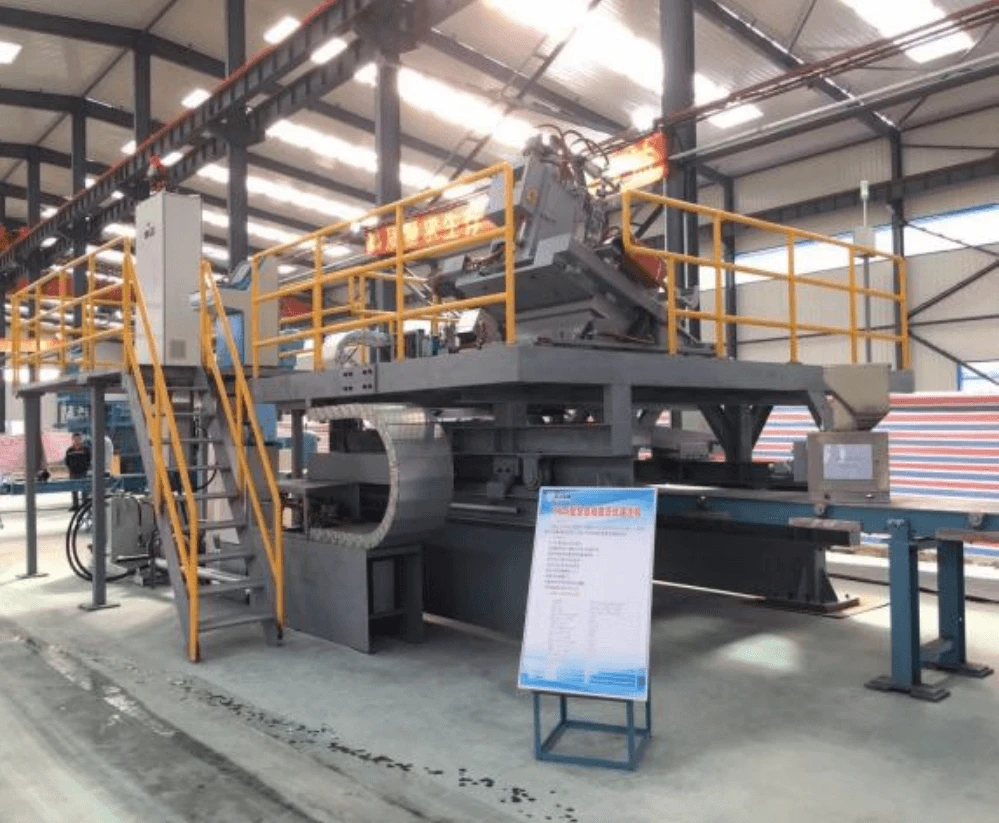
We recommend a combination of robotic grinding and CNC milling. This removes the need for manual labor and ensures the dimensional accuracy required for high-load structural components.

How does intelligent warehousing reduce overhead in black metal casting?

By automating the tracking of raw materials and finished castings, it reduces inventory errors and ensures that the finishing line is never starved of parts, maximizing throughput.

Which cast iron finishing techniques are most compliant with EU emission laws?

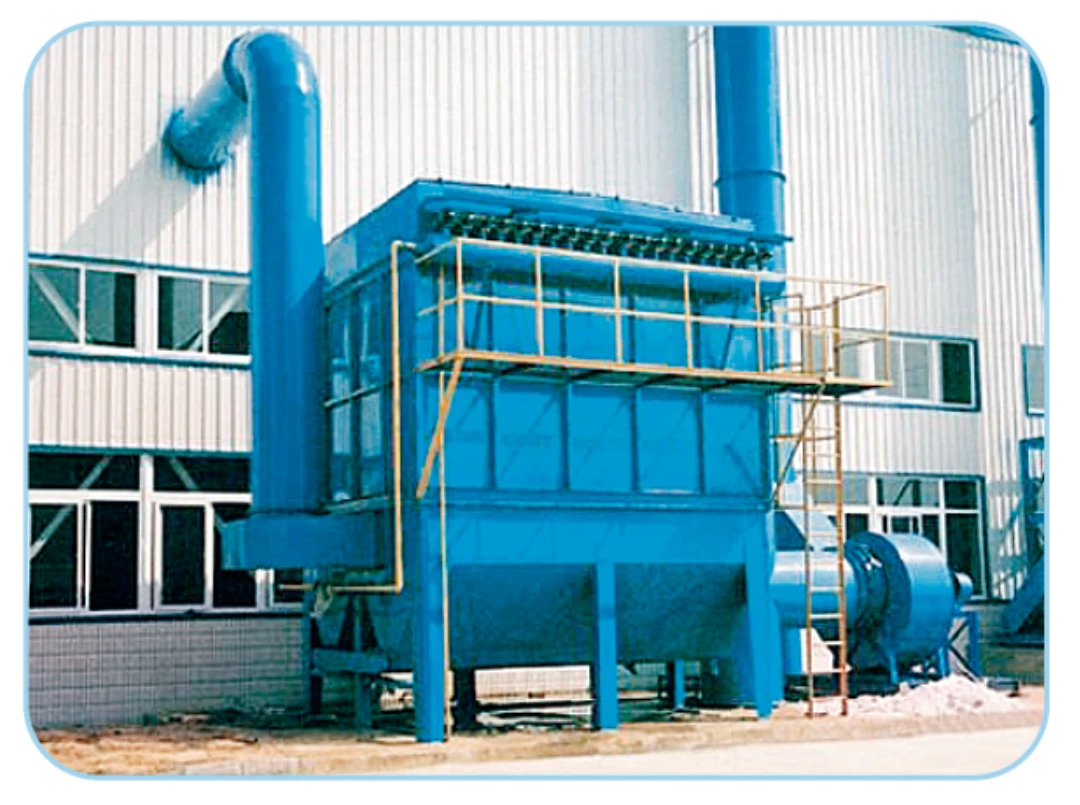
Closed-loop dust extraction systems combined with automated shot blasting are the most efficient ways to minimize airborne particulates in accordance with EU regulations.

What are the maintenance requirements for automated casting lines in Greece?

Due to the presence of abrasive sand and metallic dust, we recommend a bi-weekly lubrication schedule and the use of our predictive maintenance modules via the cloud platform.

Ready to Modernize Your Foundry?

Contact our engineering team for a customized industrial audit of your casting facility in Greece.

Contact Us Now

If you are interested in our products, you can choose to leave your information here, and we will be in touch with you shortly.