Release Time:2025-12-02
If you’ve ever wondered how heavy castings or metal parts get that perfect, uniform finish without painstaking manual labor, the swing table shot blasting machine likely played a starring role behind the scenes. Globally, industries from automotive to aerospace depend on it for cleaning, deburring, and surface preparation—ensuring components are ready for painting, coating, or welding. So frankly, getting familiar with this equipment can mean better quality, reduced downtime, and sustainable practices in metal treatment, which matters a lot across growing industrial markets worldwide.
The global shot blasting equipment market was valued at over $3 billion by 2023, with a steady growth rate expected over the next decade. According to the International Organization for Standardization (ISO), surface preparation standards have tightened, especially in automotive and construction, pushing manufacturers to adopt advanced shot blasting technologies. A swing table shot blasting machine fits right in here—it efficiently finishes parts that are too heavy or cumbersome for belt or tile type machines, solving a common bottleneck in production lines.
Industrial modernization plus increasingly strict environmental regulations compound the need for cleaner, more efficient surface treatments. Untreated rough metals not only risk quality failure but can contribute to waste or rework, which hardly helps anyone. The swing table machine addresses this by mechanizing abrasive cleaning with precision and repeatability.
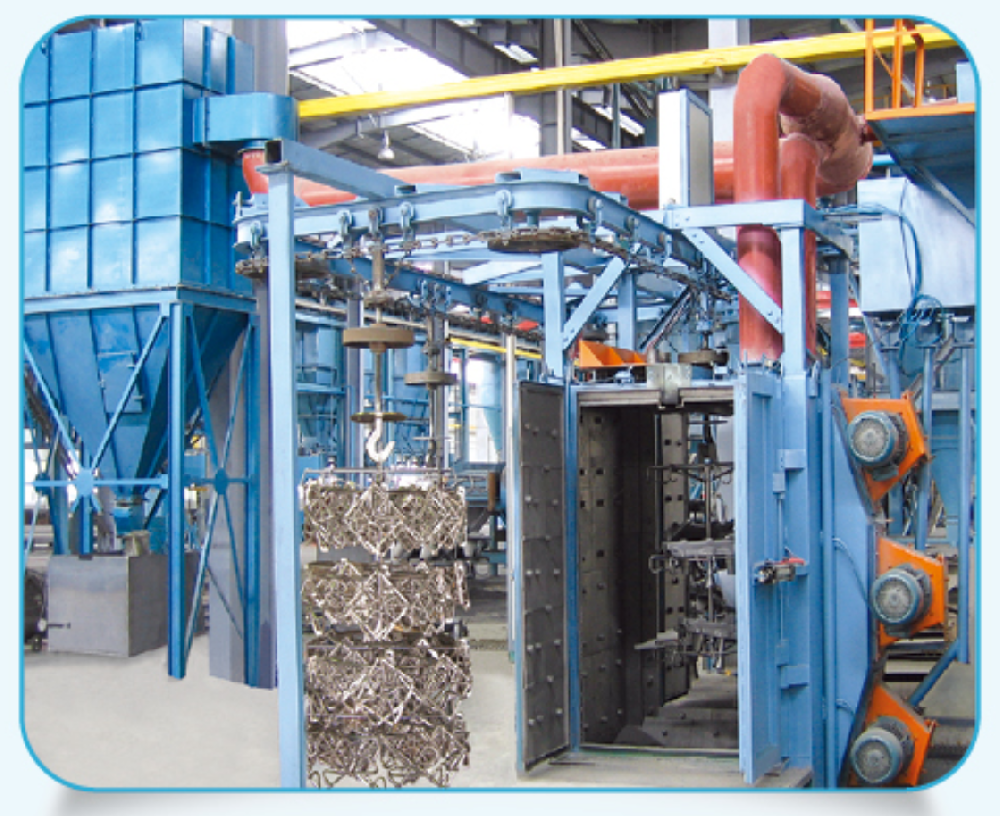
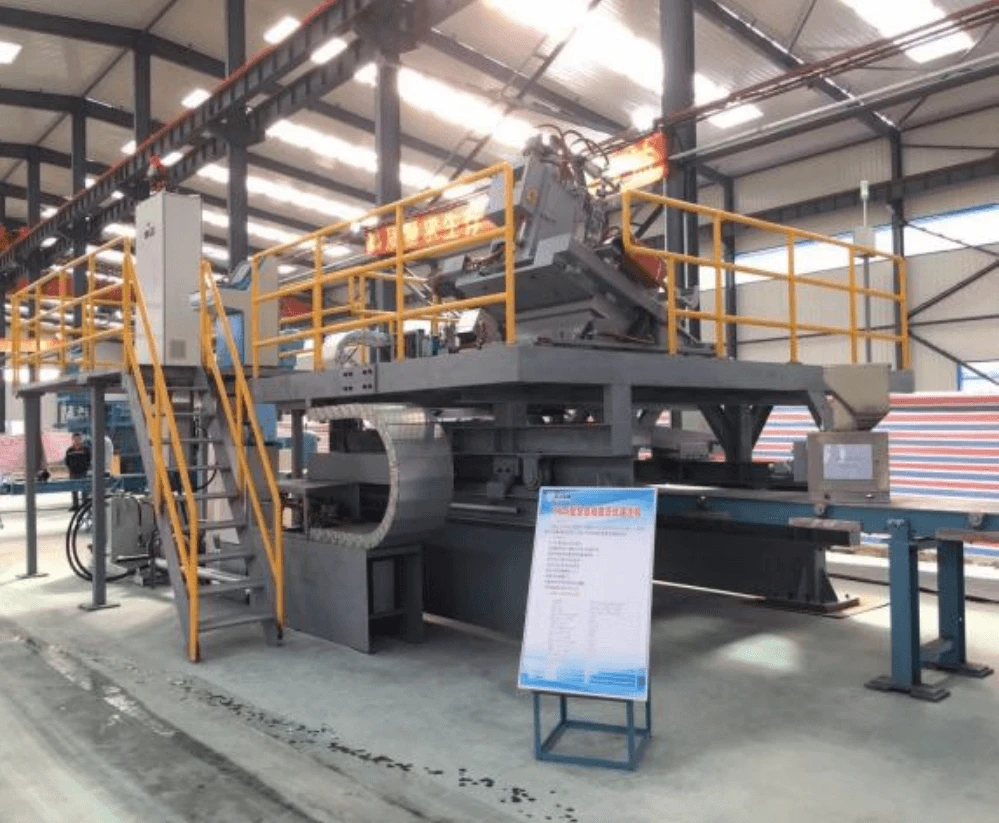
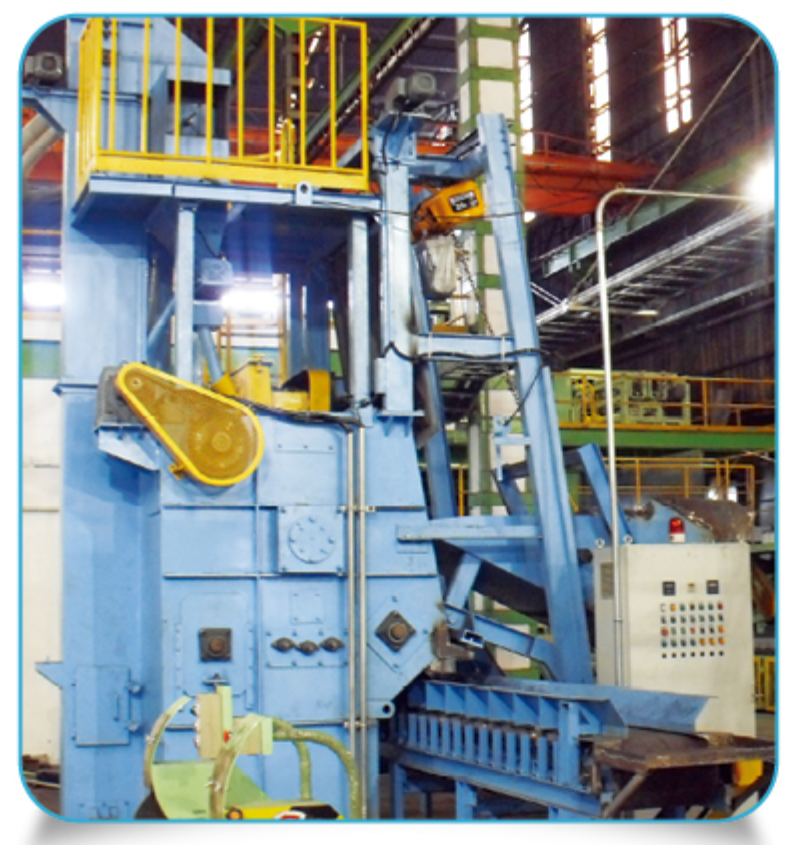
At its core, a swing table shot blasting machine is a surface treatment device designed to blast abrasive media (often steel shots or grit) at metal parts fixed on a rotating table that swings into and out of a blasting chamber. The key here is “swinging” — instead of moving parts through a conveyor, the table carrying the heavy parts swings through the blast wheel, making it ideal for bulky castings, molds, or machine parts.
This approach offers several practical advantages, such as better control over exposure time, less risk of damage on delicate components, and easier loading and unloading. In humanitarian or industrial relief efforts, such machines can refurbish machinery or steel equipment quickly without extensive manual labor, contributing to faster recovery times.
Considering the harsh nature of shot blasting—abrasive materials flying at high speed—the machine's materials must be robust. Thick steel plates and wear-resistant liners prolong life and reduce replacement frequency. Many manufacturers now use chromium alloy liners, extending durability by up to 30%.
One reason this type shines is its capacity to handle parts from a few dozen to several tons without sacrificing uniform blasting. Sizes vary, but most models support 500–10,000kg loads. Customization is often possible to match specific operational needs.
The swing table shot blasting machine works continuously but using energy-optimized motors and variable frequency drives (VFDs) has become more common. This reduces electricity usage and operational costs, aligning with modern sustainability goals.
Precision in how the abrasive media is thrown affects surface quality. Adjustable blast wheel speeds and media sizes allow operators to tune parameters depending on part geometry and surface finish requirements.
Blast rooms and dust collectors integrated with the machine help ensure worker safety by reducing airborne contaminants. Automated doors, emergency stop systems, and noise insulation are standard enhancements in premium models.
Modular components and straightforward access to wearing parts (belts, liners, blast wheels) reduce downtime and make upkeep manageable even for smaller maintenance teams. This can be a real cost saver.
Mini takeaway: The swing table shot blasting machine balances ruggedness with controlled precision, supporting large and heavy parts while ensuring operator safety and sustainability.
Industries evolving under the spotlight of rapid manufacturing growth heavily bank on this equipment. In automotive factories in Germany and Japan, swing table shot blasting machines prep engine blocks and chassis parts. In construction equipment manufacturing hubs across the US and India, these machines help restore heavy components with consistent surface quality.
Oddly enough, remote industrial zones also benefit. For example, mining operations in Australia and Chile use these machines to refurbish worn metal parts onsite instead of shipping them out — saving time and costs. Even nonprofit organizations involved in rebuilding post-disaster infrastructure have used portable versions for rapid component cleaning.
And we should mention that with rising focus on clean energy and electric mobility, quality metal finishing is critical for new lightweight metal alloys—where traditional methods can be too aggressive or slow.
| Specification | Typical Range | Remark |
|---|---|---|
| Table Size | 1000 × 1000 mm to 3000 × 3000 mm | Customizable |
| Max Load Capacity | Up to 10,000 kg | Heavy parts suitable |
| Blast Wheel Power | 7.5 - 30 kW | Multiple wheels possible |
| Media Type | Steel Shot, Grit | Choice affects surface finish |
| Power Supply | 380-480V / 3 Phase | Industrial standard |
| Noise Level | 75-85 dB(A) | With enclosure |
| Vendor | Strength | Typical Capacity | Customization | Price Range (USD) |
|---|---|---|---|---|
| BlastCorp | High durability liners, easy maintenance | Up to 8000 kg | Moderate | 50,000 - 120,000 |
| MetalWorks Inc. | Energy-efficient motors, smart controls | Up to 10,000 kg | High | 80,000 - 150,000 |
| YongHong Machinery | Cost-effective, solid after-sales support | Up to 7000 kg | Moderate | 40,000 - 100,000 |
Automation is the new buzzword, and swing table shot blasting machines are integrating smart sensors and IoT controls for remote monitoring and predictive maintenance. The rise of greener abrasives—like recyclable ceramic beads—and electric drive motors lowers environmental footprints further.
There’s also a subtle but noticeable shift toward modular machine designs so factories can easily adapt equipment layouts based on workflow demands. Frankly, if you’re keeping an eye on manufacturing modernization, these are the machines to watch.
Of course, no industrial machine is perfect. Problems like abrasive media wear, dust generation, and noise can be headaches. But advances like automatic media separation, efficient dust collectors, and soundproof enclosures have significantly cut down these issues in recent years.
Operators also need training and periodic audits to maintain system efficiency. Some companies now offer remote troubleshooting—saving on costly site visits. A combination of technology and proper support feels like the sweet spot.
A: The key difference is that swing table machines rotate and swing the part through the blast chamber, ideal for heavy or bulky items, while conveyor types move parts linearly. Swing tables offer better exposure control and often simpler loading.
A: Regular inspection of liners, blast wheels, and abrasive media recycling systems is critical. Most wear parts are modular and replaceable with basic workshop tools, and dust collectors require filter cleaning or replacement periodically.
A: Yes, swing table shot blasting machines are quite versatile. Adjusting blast wheel speeds and media sizes allows customization for various part geometries and surface finish needs.
A: It can be, but many modern models use energy-efficient motors and variable frequency drives, reducing consumption without sacrificing blasting power.
A: It's best to contact manufacturers directly for tailored options. For those interested, a great starting point is the swing table shot blasting machine product lines from specialized vendors.
When you look beyond the surface—pun intended—the swing table shot blasting machine offers practical, economic, and environmental benefits that are difficult to beat for heavy metal finishing needs. With ongoing innovation and strong global applicability, it’s definitely worth a close look for manufacturers aiming to stay ahead in metal treatment quality.
Curious to learn more or explore product options? Visit our website at https://www.yonghongbq.com to see how advanced models can fit into your production line.
References: