Release Time:2025-12-02
If you’ve ever wondered how metal surfaces get that smooth, clean finish before they’re used in construction, automotive, or shipbuilding, the hanger type shot blasting machine plays a quiet but crucial role. Globally, industries rely on this equipment to remove rust, paint, and contaminants — making parts safer, more durable, and primed for paint or coating. As supply chains become more complex and industries prioritize sustainability and quality, understanding this technology isn’t just a niche interest; it’s vital for manufacturers aiming to stay competitive and compliant with international standards.
Worldwide metal production and processing are massive. According to the World Steel Association, over 1.85 billion tons of crude steel were produced in 2022 alone. Surface preparation like shot blasting ensures these metals meet durability and safety criteria. Economically, manufacturers who integrate efficient blasting technologies cut rework costs and reduce waste — major wins for the environment and the bottom line. Not to mention, with the rise in infrastructure projects in Asia, Europe, and North America, demand for precise shot blasting solutions has skyrocketed.
But here’s the challenge: manual surface cleaning is slow, inconsistent, and often unsafe for workers. The hanger type shot blasting machine meets this challenge by automating the process, delivering repeatable, reliable results no matter how complex the metal shape.
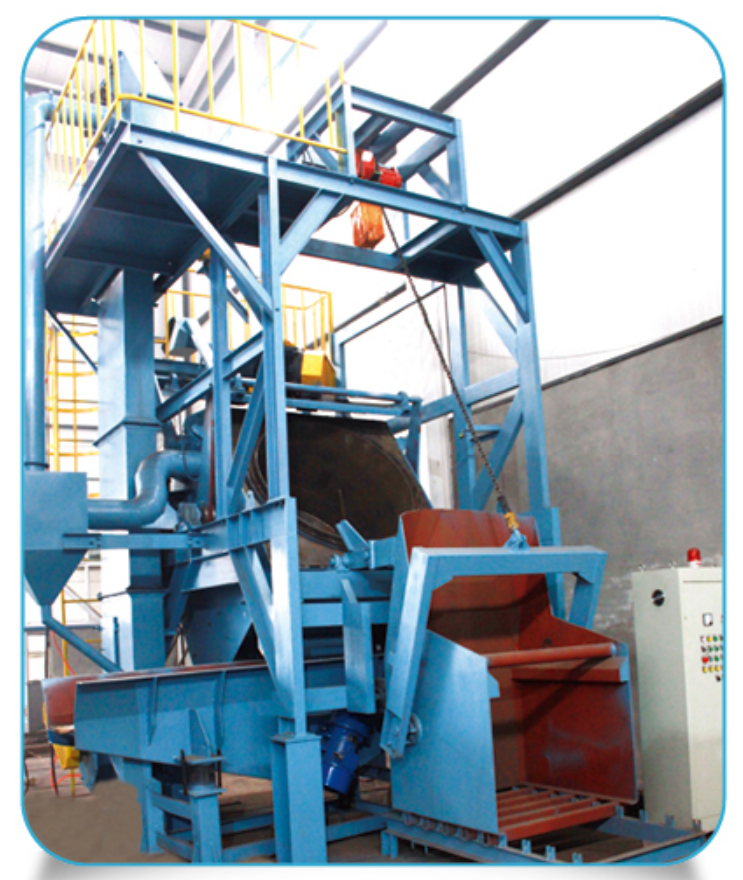
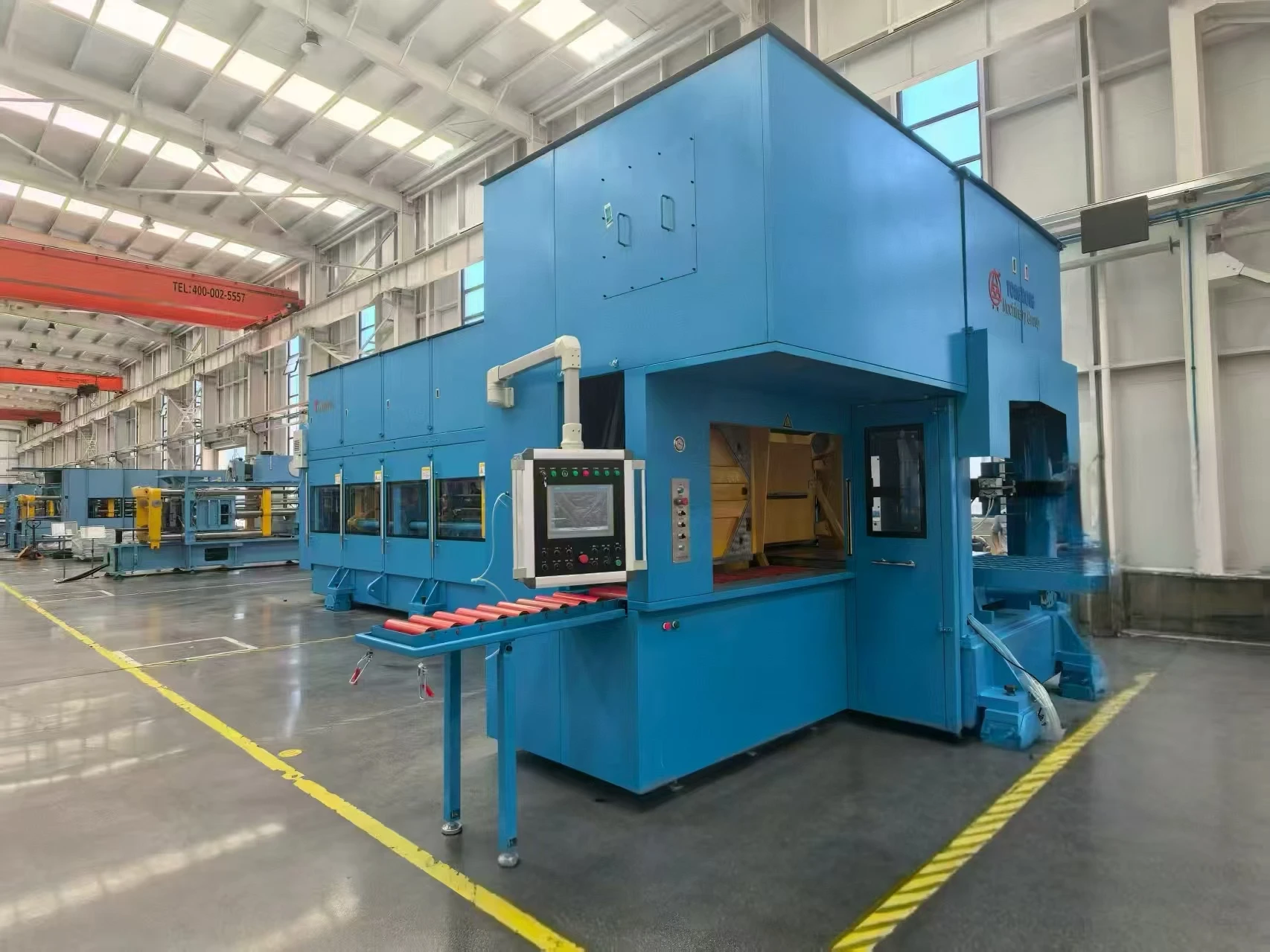
Simply put, a hanger type shot blasting machine is a mechanical device designed to clean and prepare metal surfaces by propelling abrasive pellets ("shot") at high velocity. Unlike floor-type machines where items sit on conveyors or rotary tables, the hanger type suspends components vertically. This method excels for oddly shaped or large pieces — think pipes, steel frames, and automotive parts — which swing or rotate during blasting to ensure complete coverage.
Its design cleverly combines gravity and mechanized motion to keep the metal pieces in constant movement. That means no corners get missed and the finishing is uniform. It’s a neat trick that saves tons of manual labor and guarantees prep quality for paint adhesion or corrosion resistance. Importantly, this technology is also linked with humanitarian applications, for example, in preparing metal frames for emergency shelters or modular housing in disaster zones. So, there’s a humanitarian angle tucked in.
The machine's body is generally built from high-strength steel, plus specialized wear-resistant liners to withstand abrasive materials flying at high speeds. This ensures a longer lifespan — many engineers point out machines lasting 10+ years with proper maintenance, a big plus for ROI.
One of the strengths here is the adjustable hanger or hook system to accommodate parts from a few pounds to several tons. Whether you’re blasting small auto parts or steel girders, flexibility is built in.
Automated blast wheels and programmable shot flow rates optimize metal cleaning while minimizing shot wastage — saving money and reducing environmental contaminants.
Critical wear parts like blast wheels, liners, and hooks are designed to be replaced quickly, cutting downtime. Models with quick-access doors and remote monitoring systems are becoming more popular too.
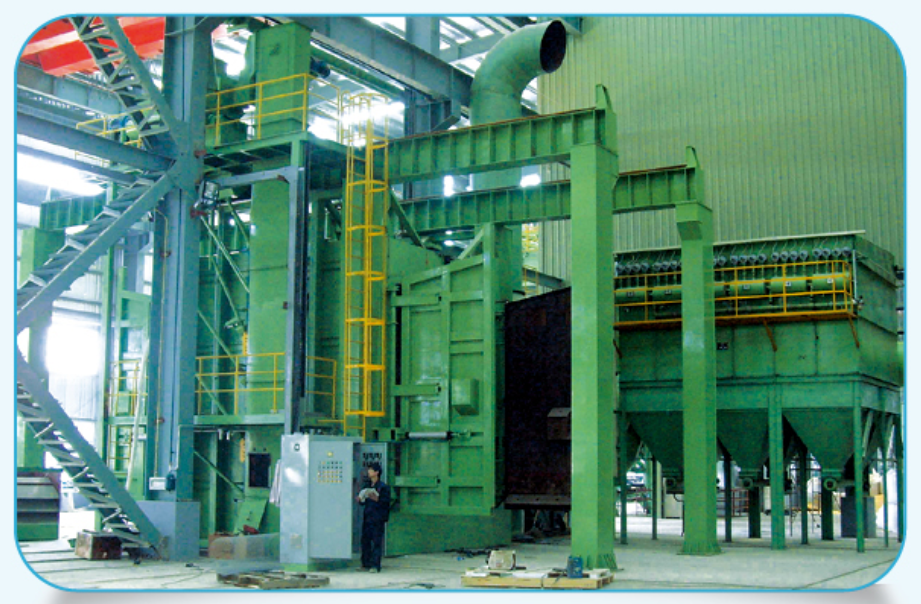
Dust collection systems and cabin seals keep operators safe and prevent workplace pollution, meeting many environmental regulations like ISO standards for workplace air quality.
| Specification | Typical Value | Notes |
|---|---|---|
| Working Chamber Size | 2m x 1.5m x 2m | Customizable for larger parts |
| Max Load Capacity | 3,000 kg | Varies by model |
| Shot Size Range | 0.2 - 1.0 mm | Adjustable for precision cleaning |
| Motor Power | 15 kW | For consistent blast wheel speed |
| Dust Collector Capacity | 4,000 m³/h | Ensures operator safety |
The versatility of hanger type shot blasting machines means we see them all over the place. For instance:
Oddly enough, many remote industrial zones leverage these machines onsite to speed up production — previously, they had to ship parts back to central factories. Now, portable or modular versions bring blasting to the field.
Many users report immediate benefits after switching to these systems, such as:
On an emotional level, many technicians take pride in delivering parts that won’t fail unexpectedly — you can sense that in how they talk about their work. When engineers say, “this machine saved our production line,” it’s no exaggeration.
We’re on the cusp of some pretty exciting developments. For example:
In many ways, these advancements reflect broader industrial shifts toward digitization and green compliance — naturally aligning with global goals like the United Nations Sustainable Development Goals.
Despite many advantages, users often hit snags such as:
Fortunately, manufacturers and industrial engineers are tackling these by:
There’s no magic bullet, but embracing these advances helps smooth the path toward wider adoption and operational success.
| Vendor | Machine Capacity | Price Range | Customization Options | After-Sales Support |
|---|---|---|---|---|
| Yonghong BQ | Up to 3,000 kg | $$$ | High (custom sizes & automation) | 24/7 remote support |
| BlastPro Industrial | Up to 2,500 kg | $$ | Medium (standard models) | Business hours only |
| SteelShot Tech | Up to 3,500 kg | $$$$ | Very High (full OEM) | Full-service global |
(For more details, explore the hanger type shot blasting machine offerings by Yonghong BQ.)
In the end, a hanger type shot blasting machine is more than just heavy industrial equipment. It’s a key player in modern manufacturing ecosystems, ensuring parts are not only clean but long-lasting and ready for the next stage of production. Whether you’re in automotive, construction, or even humanitarian engineering, its efficiency, flexibility, and sustainability aspects position it as a smart investment.
Want to explore more? Visit our website to discover tailor-made solutions that fit your operational needs and budget.