Release Time:2025-12-02
Simply put, a disc cooler is an industrial cooling system designed to rapidly reduce the temperature of hot materials—usually in powder or granular form—by spreading them over rotating discs exposed to ambient air. It sounds straightforward, but the ripple effect matters a lot globally. Whether it’s steel, minerals, or cement, cooling these processed materials quickly and efficiently can save energy, improve product quality, and reduce pollution. In sectors like mining, heavy industries, and construction, this seemingly humble device plays a surprisingly large role in operational efficiency and sustainability. Leading manufacturers and facilities around the world rely on disc coolers to scale production while reducing environmental footprints.
Mini takeaway: Understanding disc coolers is key to grasping how industries handle heat management for both economy and environmental goals.
Globally, industrial processes account for around 54% of global final energy consumption, according to the International Energy Agency1. Many of these processes generate heated materials—slag from steelmaking, clinker from cement kilns, or granules from mineral processing. This is where the disc cooler comes in. It tackles the challenge of cooling these materials efficiently to prevent equipment damage and reduce energy waste. With growing global demand for infrastructure and raw materials, disc coolers help industries keep pace without flaring up energy costs or environmental impact.
Consider the cement industry, which contributes roughly 8% of global CO2 emissions2. By integrating disc coolers for clinker cooling, plants slash fuel demands and lower emissions. This makes disc coolers not just a piece of hardware but a player in global sustainability efforts.
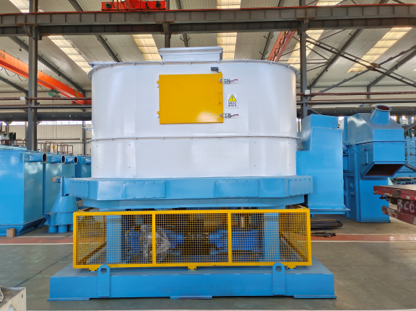
In plain terms, a disc cooler is a rotary device with multiple discs mounted on a shaft. Hot material flows onto the discs and spreads thinly as they rotate, exposed to air which cools the material by convection and radiation. The cool air also helps move the material along the system. It’s this combination of mechanical spreading, rotational movement, and airflow that enables rapid and uniform cooling.
These coolers connect directly to factories or processing plants where continuous, fast cooling is essential to ensure downstream equipment runs safely. Whether it’s for humanitarian construction materials or industrial output, disc coolers keep processes smooth and materials stable.
Disc coolers operate in harsh settings—high temperatures, abrasive materials, varying climates. Using high-grade steel and wear-resistant coatings is common to ensure long equipment life. Many engineers note that a robust structure reduces downtime and costly maintenance.
Depending on production volumes, disc coolers come in various sizes and capacities. Some can handle tens of tons per hour; others are custom-built for massive plants. This flexibility allows industries from small-scale mining to giant steelworks to adopt them.
By cooling materials directly and reducing the need for secondary cooling processes, disc coolers save fuel and electrical energy—two heavy cost drivers. The initial investment often pays off within a few years.
Disc coolers also reduce greenhouse gas emissions thanks to energy savings and minimized dust emissions (when combined with dust extraction units). They fit nicely into companies’ push for greener production.
Well-designed disc coolers have modular parts, easy access for inspection, and straightforward cleaning features, which means less plant shutdown time. That’s gold in industrial uptime terms.
Mini takeaway: The disc cooler’s real-world effectiveness boils down to how well it balances heavy-duty construction, energy use, and adaptability.
Disc coolers find homes in a variety of industries and geographies. In China and India, they are crucial in rapidly expanding steel and cement sectors, handling millions of tons of hot clinker or slag every year. In Australia, mining companies rely on them to cool iron ore pellets before shipment. In Europe, green manufacturing pushes disc coolers into low-emission plant designs. The Middle East uses disc coolers in cement and mineral processing operations, where fast cooling amidst extreme climates is necessary.
Beyond heavy industry, disc coolers support post-disaster relief construction by helping massive quantities of building materials quickly reach usable temperatures, speeding up rebuilding. Remote industrial zones value the low-energy and space-saving design, as conventional cooling systems might not be feasible.
| Feature | Typical Value | Remarks |
|---|---|---|
| Capacity | 20–150 tons/hour | Varies by disc size and speed |
| Disc Diameter | 2.0–5.5 meters | Customized per application |
| Operating Temperature | Up to 1500°C surface temp | Depends on material |
| Cooling Time | 10–40 minutes | Depending on load and airflow |
| Power Consumption | 50–200 kW (motor) | Varies by size |
| Vendor | Specialty | Global Presence | Typical Lead Time | Price Range |
|---|---|---|---|---|
| Yonghong Disc Coolers | Custom designs, fast delivery | Asia, Middle East, Europe | 4–8 weeks | $$ - Midrange |
| CoolTech Systems | Heavy-duty mining applications | North America, Australia | 8–12 weeks | $$$ - Premium |
| EcoCool Industries | Green-focused, energy-efficient tech | Europe, Asia | 6–10 weeks | $$ - Value |
Choosing a disc cooler means embracing reliability and sustainability. Cost savings from reduced fuel consumption and maintenance add up quickly. The system’s open-air design taps into natural convection, giving you a greener edge. More than that, it helps industries keep their promises around reducing pollution.
Emotionally, industrial managers often tell me how important it feels to have a dependable system—not just for productivity, but for worker safety and community trust. Those quiet hours where everything runs smoothly? They’re priceless.
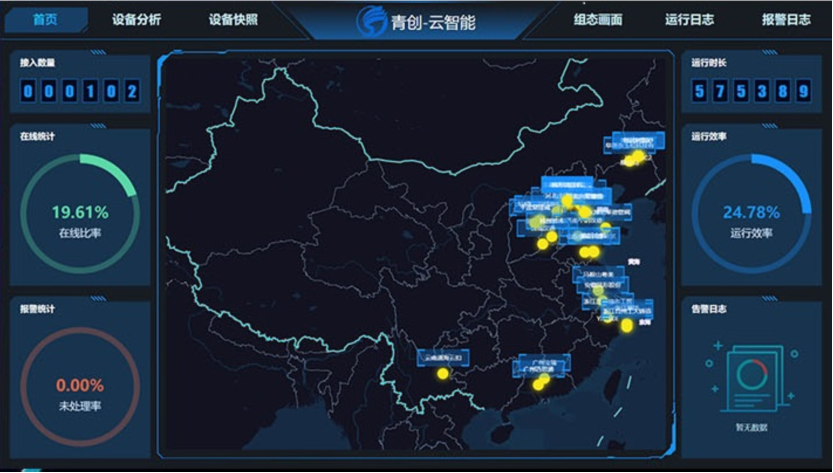
The future of disc coolers is tied closely to sustainability and technology. Manufacturers are experimenting with better wear materials, digital monitoring systems, and integration with renewable energy sources. Imagine a disc cooler controlled remotely with IoT sensors optimizing cooling rates in real time, or hybrid systems that recycle waste heat. Frankly, the innovation isn’t just about specs but about how these machines fit into smarter, cleaner plants.
No tech is perfect. Disc coolers can struggle with uneven cooling if materials clump or with dust generation in dry environments. But improved disc surface designs and dust control attachments help mitigate these issues. Keeping spare parts on hand and training operators also makes a big difference.
From raw material cooling to boosting green credentials, disc coolers play a pivotal yet often underappreciated role in today's industrial landscape. They balance heavy-duty operation with energy savings and adaptability, helping industries meet ever-growing demand while caring for the planet. If you’re in industries like mining or cement production, exploring options for your disc cooler solutions is well worth the time.
If you want to delve deeper or explore how to select the best disc cooler for your operation, visit our website—we’ve got the practical insights and products that suit your scale and budget.