Release Time:2025-12-02
You might have heard the term vibrating shaker table tossed around in industrial circles or seen it quietly humming in a lab, but what exactly is it? At its core, this device is a workhorse used for testing materials, separating minerals, or even simulating earthquakes in the lab. Why does it matter worldwide? Well, industries across mining, civil engineering, and manufacturing rely on it to enhance efficiency, safety, and reliability. Grasping its benefits isn’t just for engineers – it helps us all appreciate how products and infrastructure get tested and improved, ultimately shaping the quality of goods and even disaster preparedness around the world.
Globally, industrial sectors are under increasing pressure to ensure quality while reducing costs and waste. According to ISO standards, material testing plays a critical role in maintaining these benchmarks. The mining industry alone contributes over 180 million jobs worldwide (World Bank), and their dependence on machinery like vibrating shaker tables to sort ores and simulate vibrations can’t be overstated. Oddly enough, rising urban infrastructure projects also lean heavily on these devices to mimic structural vibrations, preventing future failures.
But challenges exist, such as high energy consumption and mechanical wear, prompting constant innovation. In humanitarian contexts, quicker, more reliable testing can accelerate rebuilding efforts after disasters, highlighting just how versatile and impactful these machines truly are.
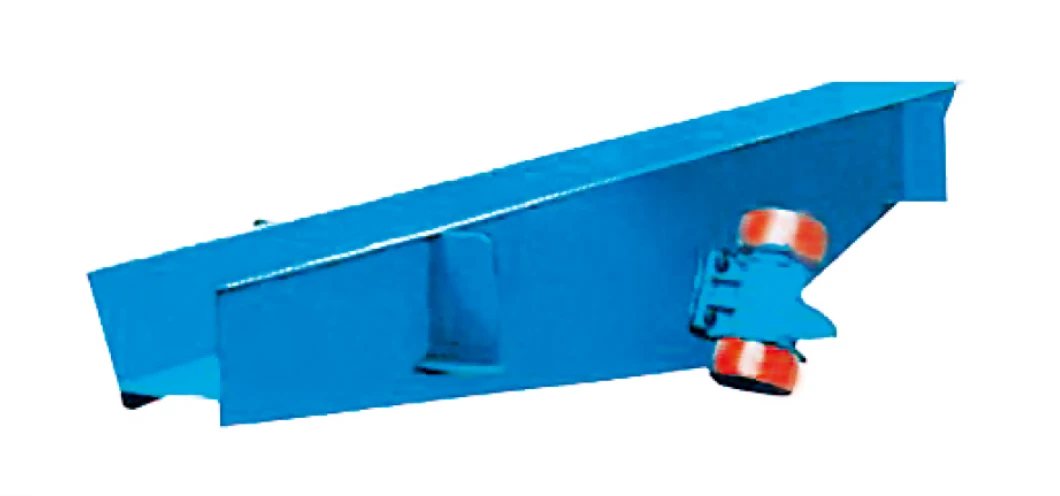
Simply put, a vibrating shaker table is a specialized platform that moves with controlled vibrations. It can simulate the forces materials experience in the real world — like seismic shaking or separating crushed rock by density through shaking. The table creates repetitive, controlled vibrations that enable engineers or operators to test structural integrity, sort particles, or accelerate settling in slurry mixtures.
This device bridges the gap between abstract lab models and real-life conditions, ensuring what gets built or processed stands up to actual stresses. From civil engineers testing building components to mining operations sorting minerals, it’s a tool that quietly boosts modern industry efficiency as well as disaster resilience.
The design must withstand constant vibration without wearing down quickly. Most tables feature high-grade steel or aluminum frames and precision bearings to ensure longevity in harsh environments — some can run thousands of hours continuously.
Adjustable frequency and amplitude allow custom vibration settings. For example, to simulate earthquake conditions at varied intensities or to fine-tune mineral separation. Modern tables often include digital controls and sensors for exact monitoring.
Energy demands can be high, so many manufacturers focus on motors and actuators designed for minimal consumption without compromising performance — an important feature for remote or green sites.
Tables come in sizes from benchtop units for laboratories to massive industrial setups handling tons of material, allowing flexibility for entirely different industries or project scales.
Balancing initial investment and maintenance costs with operational savings is key. While some tables can be pricey upfront, their reliability reduces downtime, saving money over time.
| Specification | Details |
|---|---|
| Table Size | 1.2 m × 0.6 m |
| Max Load Capacity | 500 kg |
| Frequency Range | 5 Hz – 80 Hz |
| Amplitude | ±10 mm adjustable |
| Power Consumption | 2.5 kW average |
| Control System | Digital touch-screen interface |
Mini takeaway: The key to a high-performing vibrating shaker table lies in a balance of precision, durability, and cost-effectiveness — qualities that drive its broad adoption worldwide.
Vibrating shaker tables have a surprisingly wide reach. For instance, in mining regions like Australia and Canada, these tables separate heavy metals from lighter rock fragments, making ore processing more efficient. Meanwhile, universities and labs in seismic zones (think Japan, California, Turkey) use shaker tables to simulate earthquake shaking — testing new structural materials before real-world applications.
In post-disaster relief operations, NGOs sometimes utilize compact versions to speed up debris analysis or soil testing. Industrial zones in Africa and South America lean on them heavily to ensure machinery components meet safety standards. These examples reflect not only technological but humanitarian value.
| Vendor | Price Range (USD) | Max Load | Control Type | Energy Efficiency |
|---|---|---|---|---|
| Yonghong | $12,000 - $25,000 | 500 kg | Digital touch-screen | High |
| Brand A | $8,000 - $18,000 | 400 kg | Manual knobs | Medium |
| Brand B | $15,000 - $30,000 | 600 kg | Digital touch-screen | Medium-High |
The perks of investing in a quality vibrating shaker table stretch beyond mere separation or testing. First off, they're cost-efficient in the long run; reduced downtime thanks to reliable and sturdy builds means fewer interruptions and less maintenance. Many engineers value the precision they can achieve, leading to higher confidence in data and less waste in industrial processes.
Emotionally, there’s a bit of pride too. Knowing materials or structures have been rigorously tested before actual deployment inspires trust from customers and stakeholders alike. And let’s not forget sustainability — energy-efficient models reduce carbon footprints, which aligns with global industrial trends towards greener manufacturing.
Looking ahead, the vibrating shaker table market is buzzing with innovation. Smart sensors integrated with AI analysis can now predict mechanical wear or optimize vibration patterns on the fly. Advances in lightweight yet durable composites may replace traditional metals, cutting down energy needs. And strangely enough, some of the latest models allow remote operation through cloud platforms, which could be a game-changer for vibrating shaker table use in remote industrial sites.
Green energy integration — for instance, powering these devices via solar in off-grid areas — is another exciting frontier, demonstrating how tech meets sustainability head-on.
No technology is without its hitches. Common issues include mechanical fatigue over time, which may reduce effectiveness, and the challenge of calibrating machines for extremely varied materials or simulations. Experts recommend a regular predictive maintenance schedule aided by digital diagnostics to catch faults early.
Another hurdle is energy consumption at scale. Some firms are experimenting with hybrid motors combining electric and hydraulic power to cut usage without losing performance. Plus, modular designs that allow easy part replacements or upgrades can extend life cycles.
In the grand scheme, the vibrating shaker table is one of those quietly vital inventions that keeps much of our industrial world ticking smoothly. From enhancing mining yields to safeguarding infrastructure by replicating seismic effects, it blends tradition with technology beautifully. The long-term value is clear: reliability, sustainability, and innovation all packed into one vibrating platform.
Curious to explore how this tech can transform your work? Visit our website for detailed specs, expert advice, and a range of systems tailored to your needs.
Reflecting on this, I reckon we'd all do well to pay more attention to these behind-the-scenes marvels — they truly shake up progress in more ways than one.