Release Time:2025-12-02
At first glance, a sand mixer might sound like just another industrial gadget, but, frankly, it’s one of those unsung heroes in construction and manufacturing. With urbanization and infrastructure projects booming worldwide, the demand for higher-quality, consistent materials is skyrocketing. This is where sand mixers step in, ensuring that raw components blend perfectly to meet ever-tightening standards.
Globally, the construction industry is projected to grow by around 85% to $15.5 trillion by 2030, according to the International Construction Market Survey. When you consider that sand – the foundation of concrete and mortar – is a limited resource, the efficiency and precision brought by quality mixers aren’t just a convenience; they’re critical.
Mini takeaway: In the world of construction, reliable sand mixers help boost quality, reduce waste, and contribute to sustainable building practices worldwide.
We live in an era where infrastructure projects stretch from New York’s subways to the rural roads of sub-Saharan Africa. Yet, supply chain challenges, import restrictions, and environmental concerns often impact building materials – sand included. The UN Environment Programme recently highlighted sand depletion as a pressing ecological issue, urging industries to adopt efficient processing techniques to minimize wastage.
In many developing regions, the lack of specialized equipment slows down reconstruction efforts. Here, sand mixers become essential, providing rapid and uniform blending of materials that save time and labor. For NGOs working in post-disaster zones, having portable and durable sand mixers means shelters can be built faster and with better structural integrity. So, the technology isn’t just commercial; it’s humanitarian.
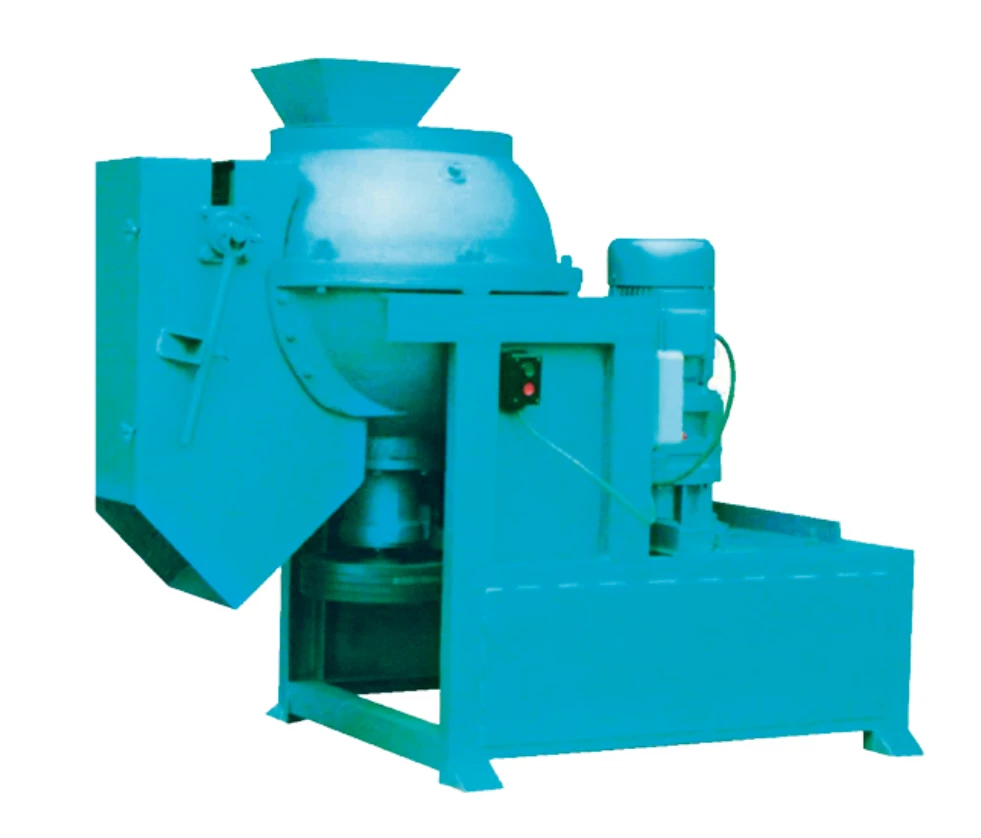
A sand mixer is a piece of equipment designed to combine sand with other materials such as cement, gravel, and water into a homogeneous mixture. While it sounds simple, good mixers ensure that the materials bond properly, which is fundamental for concrete’s strength and longevity. They range from small portable units ideal for onsite repairs, to massive industrial machines that serve factories churning out precast concrete elements.
Put simply: think of it as the “blender” for construction materials. Modern sand mixers often come with automated controls, variable speeds, and sometimes even sensors to optimize blending depending on the type of sand or additives used. Their role in industry is vital because consistency is key—if the mix isn’t right, the whole structure risks cracking or failure down the line.
Since sand mixers operate in abrasive environments, components such as the mixing blades and the drum are made from wear-resistant alloys or reinforced steel. Without durability, machines break down too often, causing costly delays.
In large projects, blending time isn’t just a number; it’s money. Efficient mixers cut mixing cycles to minutes while maintaining uniformity, which is why motor power and blade design really matter.
Smaller mixers are designed to be transported easily, often mounted on trailers or skid frames. This is crucial for remote or disaster-hit zones where heavy equipment access is limited. On the flip side, manufacturers want scalable machines that can grow in capacity to suit larger operations.
From an operational standpoint, energy consumption and ease of maintenance directly affect long-term costs—not to mention spare parts availability and local service centers.
The newest sand mixers may incorporate PLC systems to adjust mixing parameters automatically, reducing human error and improving quality control.
Mini takeaway: Whether you’re buying for a small job site or an industrial plant, consider durability, speed, portability, cost, and smart features to fit your use case.
Around the world, sand mixers underpin projects across many sectors. Some quick examples:
I once chatted with an engineer who described how switching to an automated sand mixer cut their project’s mixing errors by half—an impressive leap for quality assurance.
Let’s be honest: any piece of equipment that improves concrete’s quality is a huge win. But there’s more to it than just that. Using a sand mixer offers:
Mini takeaway: The smart investment in good mixers pays back not just in dollars, but also in social impact and sustainable growth.
Innovation in this space is surprisingly dynamic. We’re seeing:
Oddly enough, it’s also a sector ripe for AI-based predictive maintenance—machines that tell you before they break down.
Despite all benefits, sand mixers face challenges like dust emissions, energy consumption, and sometimes complicated operation. Experts suggest:
| Specification | Value |
|---|---|
| Mixing Capacity | 500 liters |
| Motor Power | 7.5 kW |
| Mixing Time | 3–5 minutes |
| Weight | 850 kg |
| Portability | Trailer-mountable |
| Control Type | PLC with touchscreen |
| Feature | Vendor A | Vendor B | Vendor C |
|---|---|---|---|
| Max Capacity (L) | 600 | 450 | 500 |
| Energy Efficiency | High | Medium | High |
| Automation Level | Full PLC Control | Semi-automatic | Manual + Digital Meter |
| Price Range | $$$ | $$ | $ |
| Warranty | 3 years | 2 years | 1 year |
Honestly, it feels like sand mixers don’t get enough credit outside of niche circles. They’re essential to making concrete that holds cities together, shelters those in need, and drives innovation in sustainable building. The right choice in sand mixers can save money, time, and the environment—while providing that peace of mind that comes with a solid foundation.
If you're ready to explore options tailored to your projects or want to delve deeper into the specifications, visit our website. Better mixing means better buildings, and ultimately, a better future.