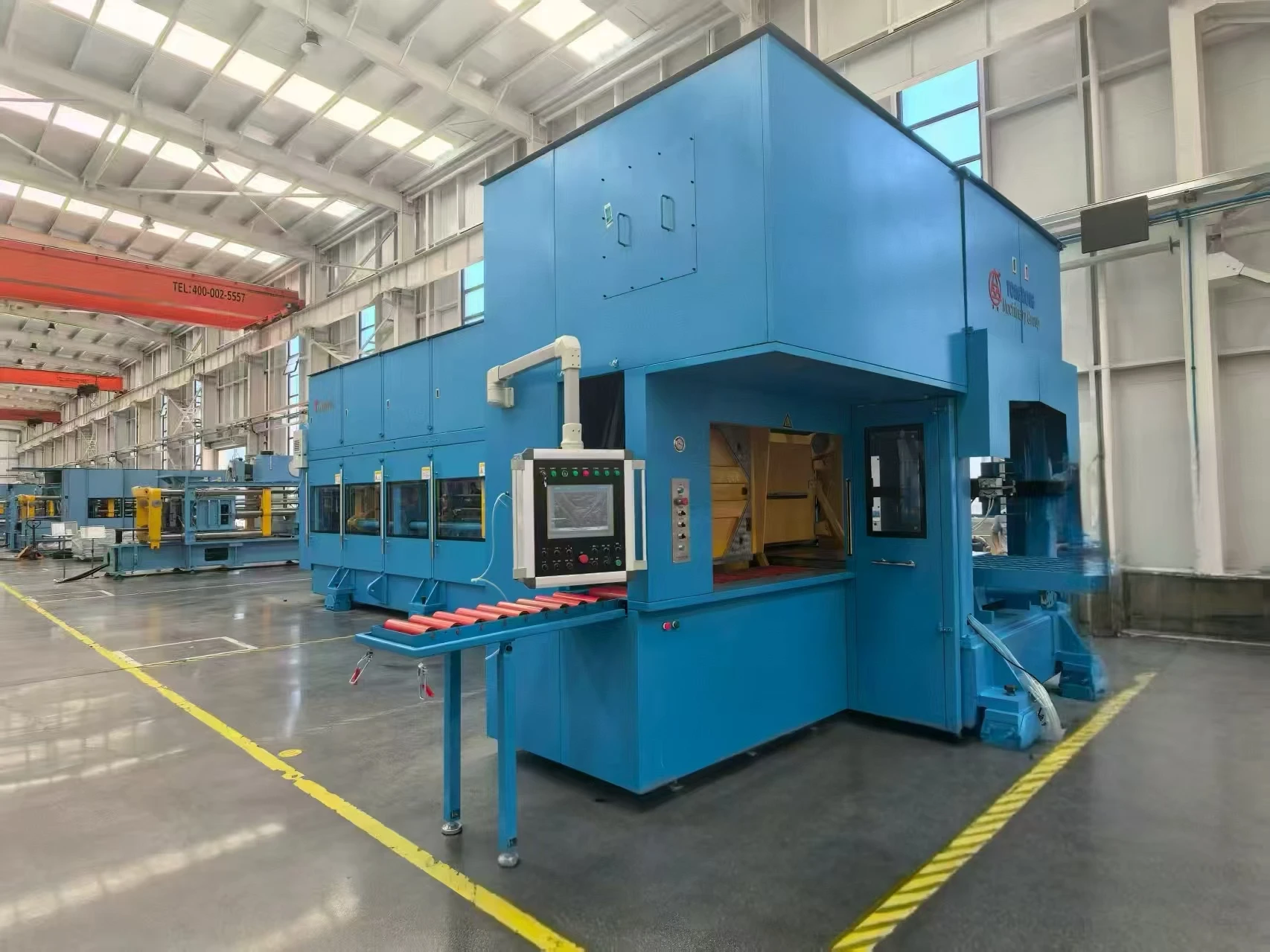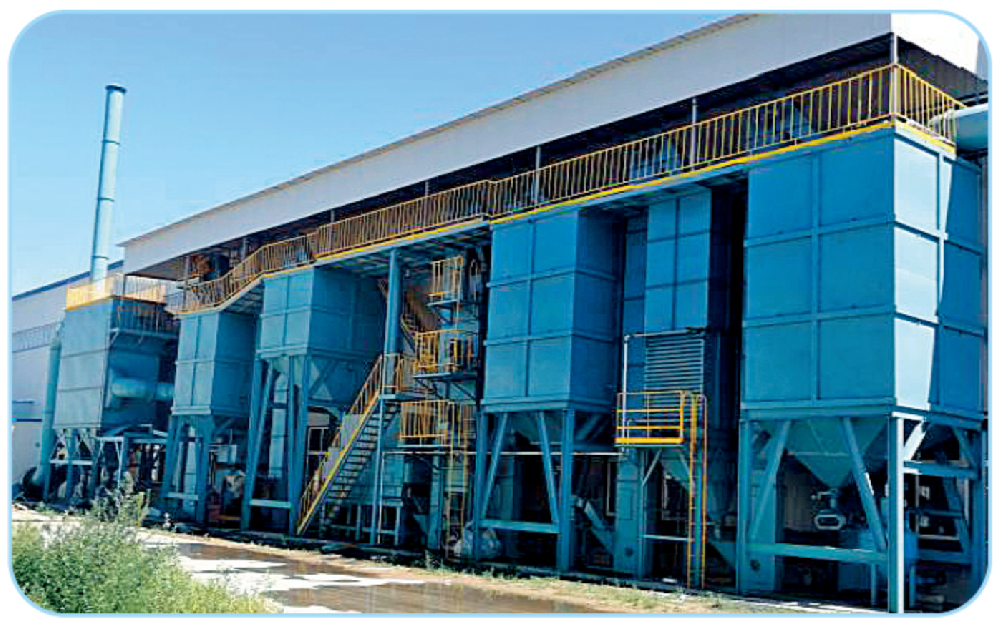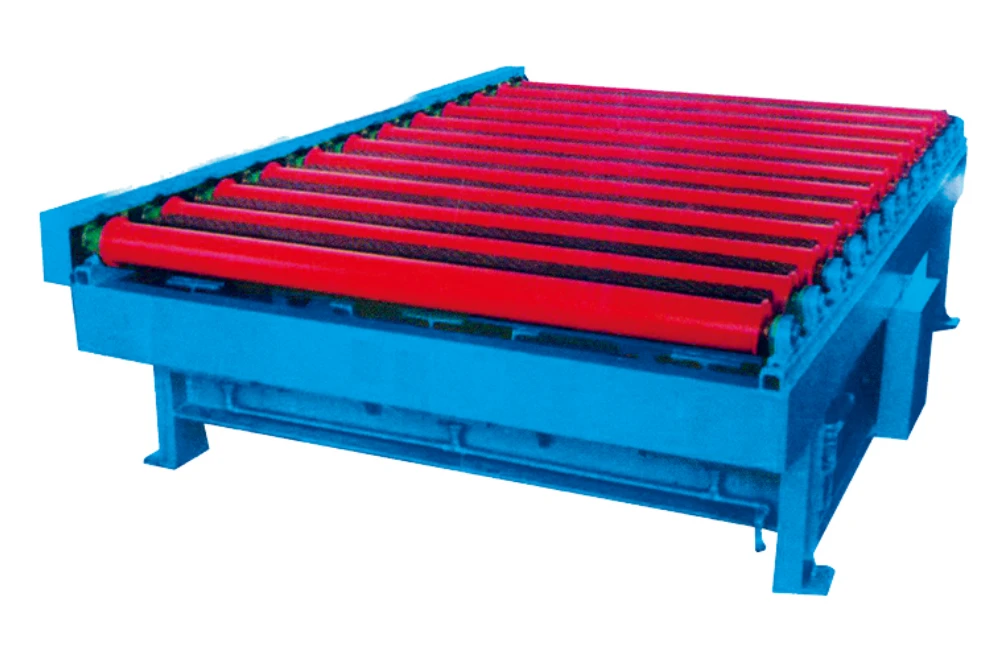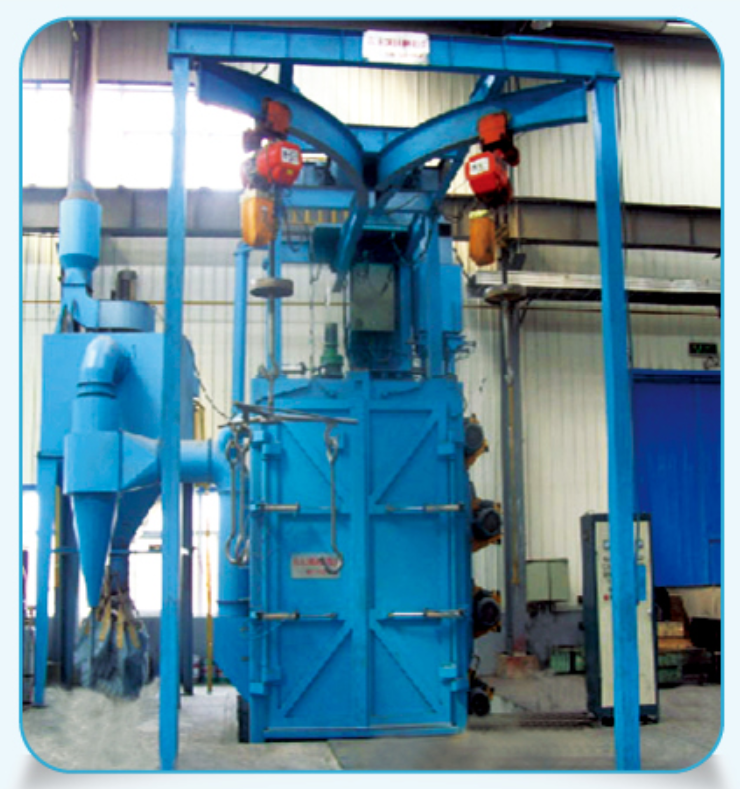
In South Sudan, the black metal casting industry is currently in a foundational stage, primarily focusing on repairing agricultural machinery and basic structural components. The extreme seasonal humidity and high temperatures of the region often lead to challenges in mold stability, making high-performance materials like resin coated sand critical for ensuring dimensional accuracy.
Logistical constraints and the scarcity of skilled technical labor in Juba and surrounding areas have historically limited the adoption of complex automation. Many local workshops still rely on manual sand casting, which results in significant waste and inconsistent quality in cast iron finishing processes.
However, as the nation rebuilds its infrastructure, there is a surging demand for specialized components. The transition toward professional equipment is now being driven by the need for durability in harsh environments, requiring the integration of intelligent warehousing to manage spare parts and raw materials more effectively amidst supply chain volatility.