Your casting is getting easier!
link
Telephone:0312-7027666

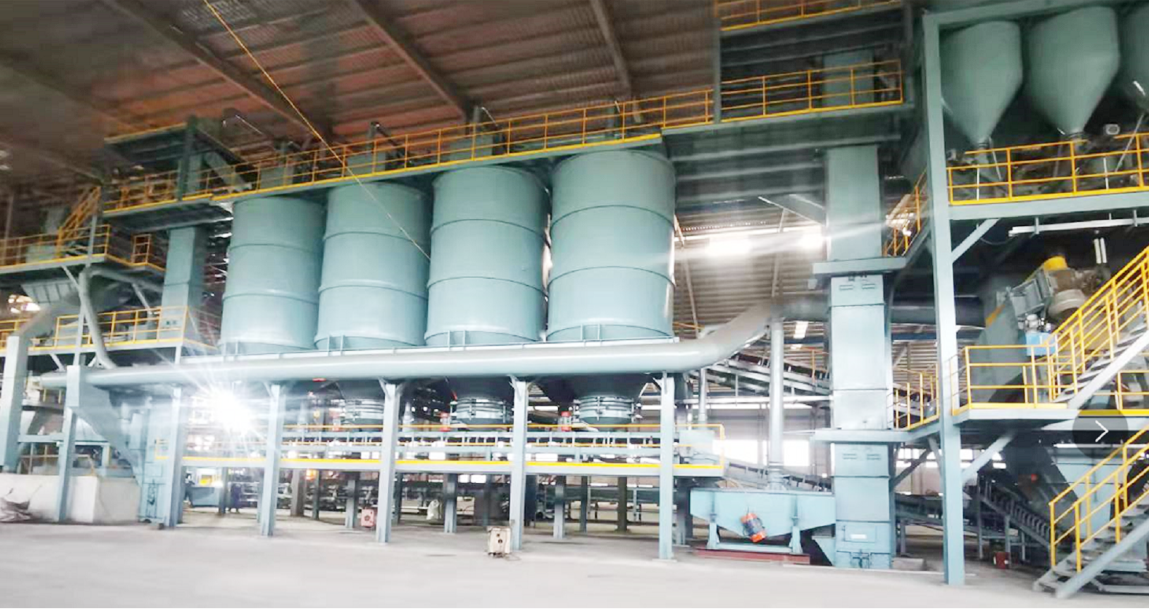
Advanced Resin Coated Sand Systems for Belgium's Foundry Industry

Integrating high-precision molding materials with intelligent automation to redefine ferrous casting efficiency in the heart of Europe.

Advanced Resin Coated Sand Systems for Belgium's Foundry Industry

Our comprehensive solution optimizes the entire casting lifecycle, from precision sand preparation to final surface processing, specifically tailored for the Belgian industrial landscape.

The Current State of Ferrous Casting in Belgium

Navigating the intersection of heritage craftsmanship and Industry 4.0 standards.

Belgium's casting sector is currently characterized by a strategic shift towards high-value, low-volume production. With stringent European environmental regulations, foundries in Flanders and Wallonia are aggressively adopting resin coated sand to reduce emissions and improve mold stability compared to traditional green sand methods.

The geographical concentration of automotive and machinery hubs in Belgium has created a surge in demand for precision components. This has led to the integration of intelligent warehousing to manage the complex logistics of raw materials and finished castings, ensuring just-in-time delivery to local OEMs.

However, the industry faces labor shortages and rising energy costs. Consequently, there is a visible trend toward automating the most labor-intensive stages, specifically focusing on advanced cast iron finishing techniques to minimize manual grinding and post-processing time.
Evolution and Trajectory of Casting Technology

From manual labor to cloud-driven autonomous foundries.

Market Development History

Between 1990 and 2010, the Belgian foundry industry relied heavily on manual molding and basic mechanical systems. The focus was on durability and volume, with the thrust bar serving as a critical but simple mechanical component in molding machine stability.

From 2010 to 2020, the era of "Digital Transition" began. The introduction of CNC-controlled molding and the early adoption of specialized resins allowed for tighter tolerances. Foundries began replacing monolithic control systems with modular software to track production cycles.

Since 2020, the focus has shifted to "Hyper-Connectivity." The convergence of IoT and big data has enabled the deployment of cloud management platforms, allowing plant managers to monitor furnace temperatures and sand quality in real-time from any location.

Future Development Trends

AI-Driven Predictive Maintenance

Integrating machine learning to predict the wear of critical components like the thrust bar, reducing unplanned downtime by 30%.

Circular Economy Integration

Developing closed-loop recycling systems for sands and binders to meet the "European Green Deal" goals, reducing the carbon footprint of casting plants.

Autonomous Finishing Cells

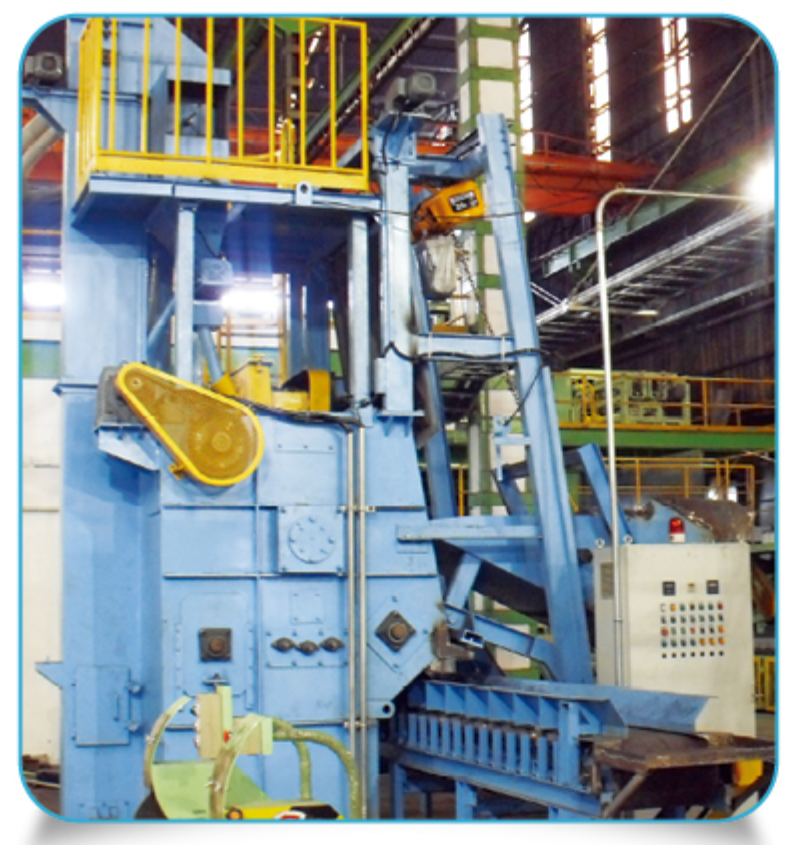
Moving beyond semi-automation to fully robotic cast iron finishing cells that use 3D scanning to determine precise material removal.

Industry Trends and Future Outlook

Strategic forecasts for the next 3-5 years in the Belgian casting landscape.

Cloud-Centric Operation
Widespread adoption of cloud management platforms to synchronize multi-site production across Belgium and EU borders.
Smart Logistics Flow
Integration of AGVs and automated retrieval systems within intelligent warehousing for casting cores.
Precision Materiality
Transition to bio-based binders in resin coated sand to align with EU carbon neutrality mandates.
Zero-Defect Finishing
Utilization of laser-guided systems for cast iron finishing to eliminate human error.

Industry Outlook

Based on Google search trend analysis for "Smart Manufacturing Europe," there is a growing convergence between heavy machinery and cloud software. The Belgian market is expected to move away from standalone equipment toward integrated ecosystems where every thrust bar and sensor reports directly to a central AI.

We predict that within 5 years, "Green Foundry" certifications will become a prerequisite for suppliers in Belgium, making the adoption of high-efficiency resin sands and energy-optimized finishing a competitive necessity rather than an option.

Localized Application Scenarios in Belgium

Real-world implementations of our machinery in the Belgian industrial sector.

1. Automotive Engine Block Casting in Ghent

Implementation of automated cast iron finishing lines to process high-precision engine components, reducing cycle time by 25%.

2. Heavy Machinery Components in Liège

Utilization of high-strength resin coated sand for oversized industrial molds, ensuring dimensional stability for heavy-duty gearboxes.

3. Logistics Hub for Foundry Supplies in Antwerp

Deployment of intelligent warehousing to manage the distribution of casting materials across the Benelux region.

4. Precision Tooling Plant in Leuven

Adoption of cloud management platforms to synchronize molding parameters between the design office and the production floor.

5. Specialized Valve Foundry in Wallonia

Upgrade of molding machines with reinforced thrust bar assemblies to handle increased pressure for high-density alloy casting.

Brand Story

Global Development History of Yonghong Baoding Casting Machinery Co., Ltd.

Foundational Excellence

Established with a focus on the core mechanical integrity of casting equipment, mastering the precision of components like the thrust bar.

Material Innovation

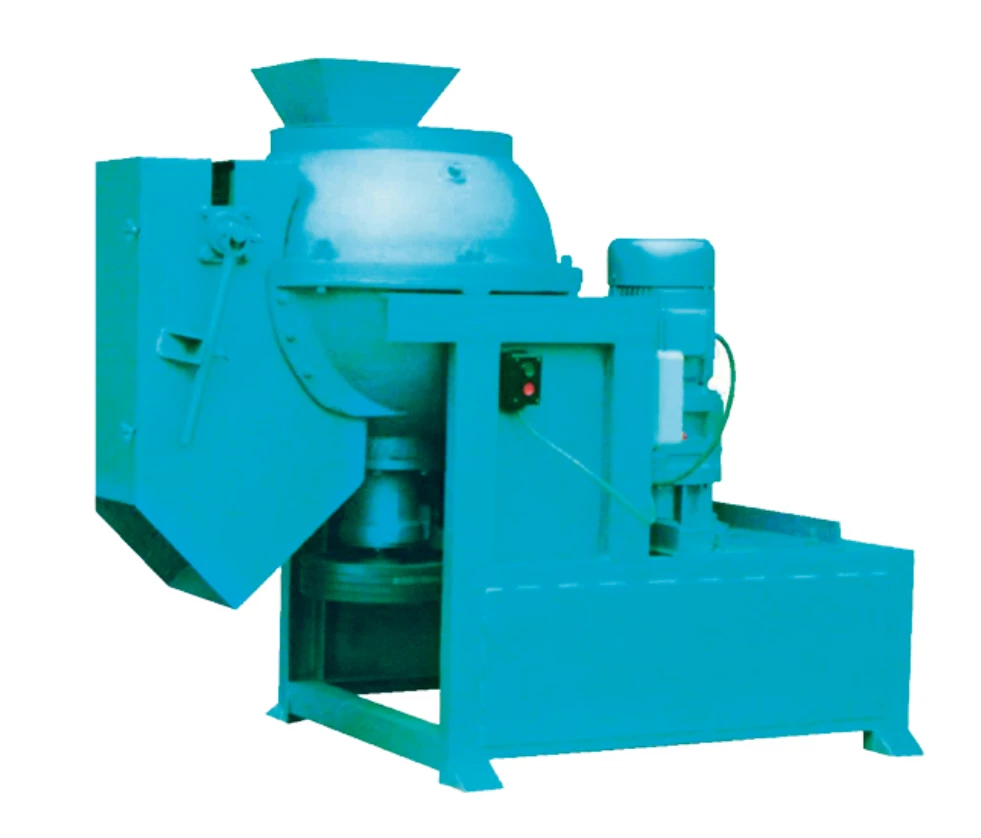
Expanded into chemical-mechanical synergy, pioneering systems optimized for resin coated sand to serve global markets.

Digital Transformation

Launched proprietary cloud management platforms to bridge the gap between hardware performance and digital oversight.

Global Expansion

Strategically entered the European market, bringing tailored cast iron finishing solutions to the Belgian industrial heartland.

The Future of Casting

Committed to "Zero-Waste" casting through the integration of intelligent warehousing and sustainable molding technologies.

Integrated Casting Portfolio for Belgium

End-to-end machinery solutions designed for the European ferrous metallurgy sector.

Belgium Casting Industry FAQs

Technical answers for local foundry engineers and plant managers.

How do cloud management platforms improve foundry yield in Belgium?

They provide real-time telemetry on molding temperatures and pressure, allowing for immediate adjustments that reduce scrap rates and optimize energy use.

What are the benefits of resin coated sand for Belgian environmental compliance?

It significantly reduces dust emissions and VOCs during the pouring process, helping foundries meet strict EU air quality standards.

Can intelligent warehousing reduce lead times for cast iron components?

Yes, by automating the tracking of cores and molds, it eliminates search time and streamlines the movement of heavy castings to the finishing area.

How often should a thrust bar be inspected in high-capacity molding machines?

We recommend a quarterly structural audit and daily lubrication checks to ensure the stability of the molding press.

What is the most efficient method for cast iron finishing in small-batch production?

A hybrid approach using robotic grinding for bulk removal and manual precision finishing for critical surfaces is ideal for Belgian specialty foundries.

Is the integration of AI and cloud platforms costly for mid-sized Belgian foundries?

While there is an initial investment, the reduction in waste and labor costs typically leads to an ROI within 18-24 months.

Optimize Your Casting Production Today

Our technical experts are ready to help you implement Industry 4.0 casting solutions across Belgium.

Contact Us Now

If you are interested in our products, you can choose to leave your information here, and we will be in touch with you shortly.