Your casting is getting easier!
link
Telephone:0312-7027666

Advanced resin coated sand Casting Solutions for US Metallurgy

Integrating precision machinery with intelligent automation to redefine black metal casting standards across North America.

Advanced resin coated sand Casting Solutions for US Metallurgy

Our comprehensive approach combines high-performance materials with digital synchronization to optimize the production of heavy-duty iron components in the United States market.

The Current Landscape of US Casting Industry

Analyzing the operational challenges and economic drivers in the North American black metal sector.

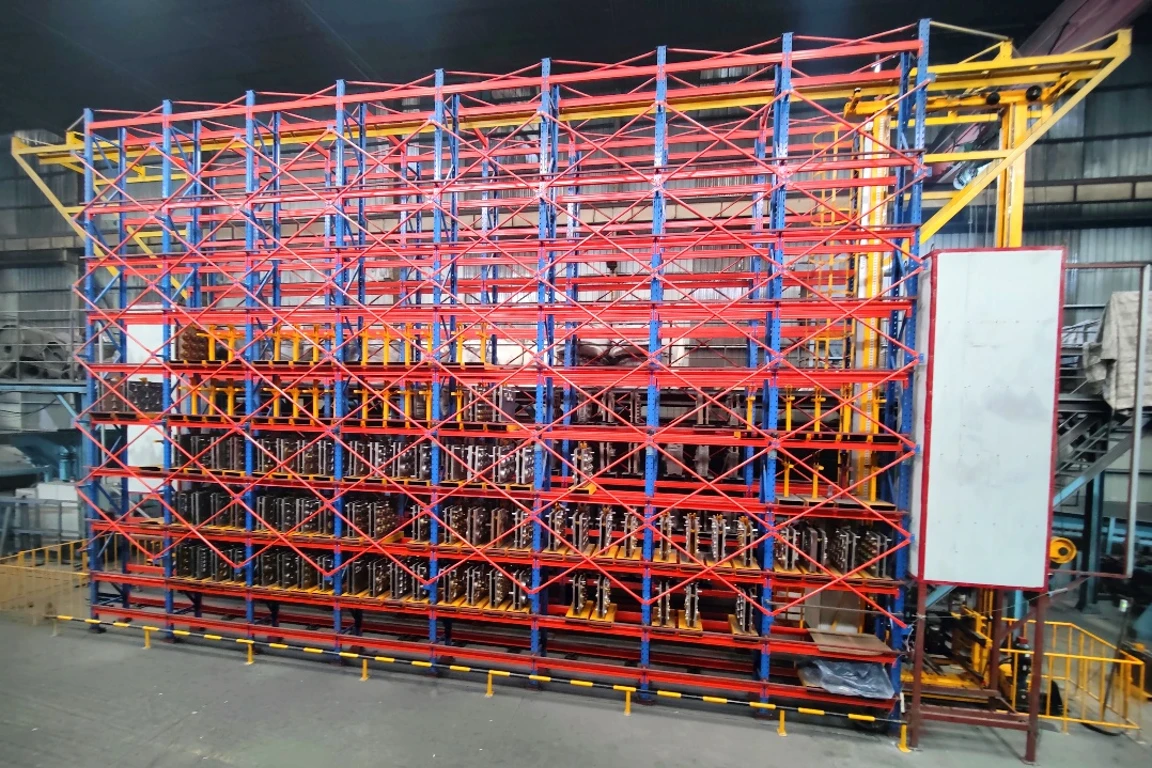
The United States casting industry is currently navigating a transition toward "Industry 4.0," where labor shortages in the Midwest industrial belt are driving an urgent need for intelligent warehousing to reduce manual material handling and operational downtime.

Environmental regulations by the EPA have forced foundries to move away from traditional binders. This has led to the widespread adoption of high-stability resin coated sand, which offers lower emissions and superior dimensional accuracy for complex automotive and aerospace castings.

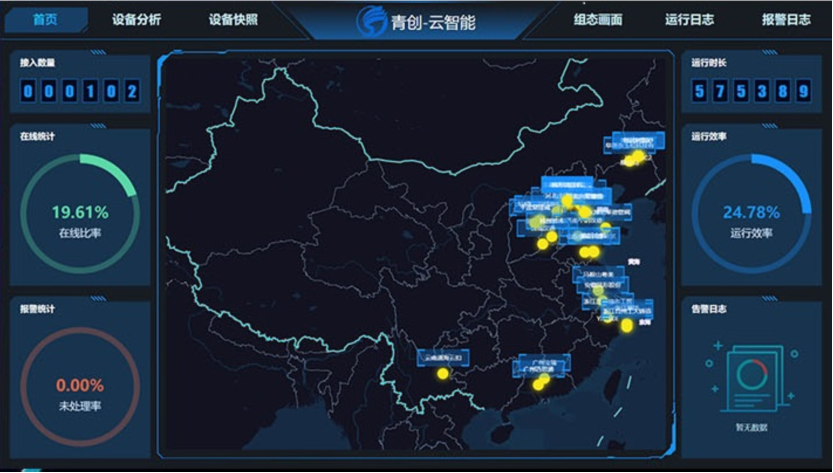
Furthermore, the integration of cloud management platforms is becoming a competitive necessity, allowing US plant managers to monitor furnace temperatures and mold integrity in real-time across multiple geographic sites.
Evolution and Technical Trajectory

From manual molding to data-driven casting ecosystems.

Market Development History

In the early 2000s, the US black metal industry relied heavily on manual shake-out processes and traditional green sand molding, which resulted in high scrap rates and inconsistent surface quality.

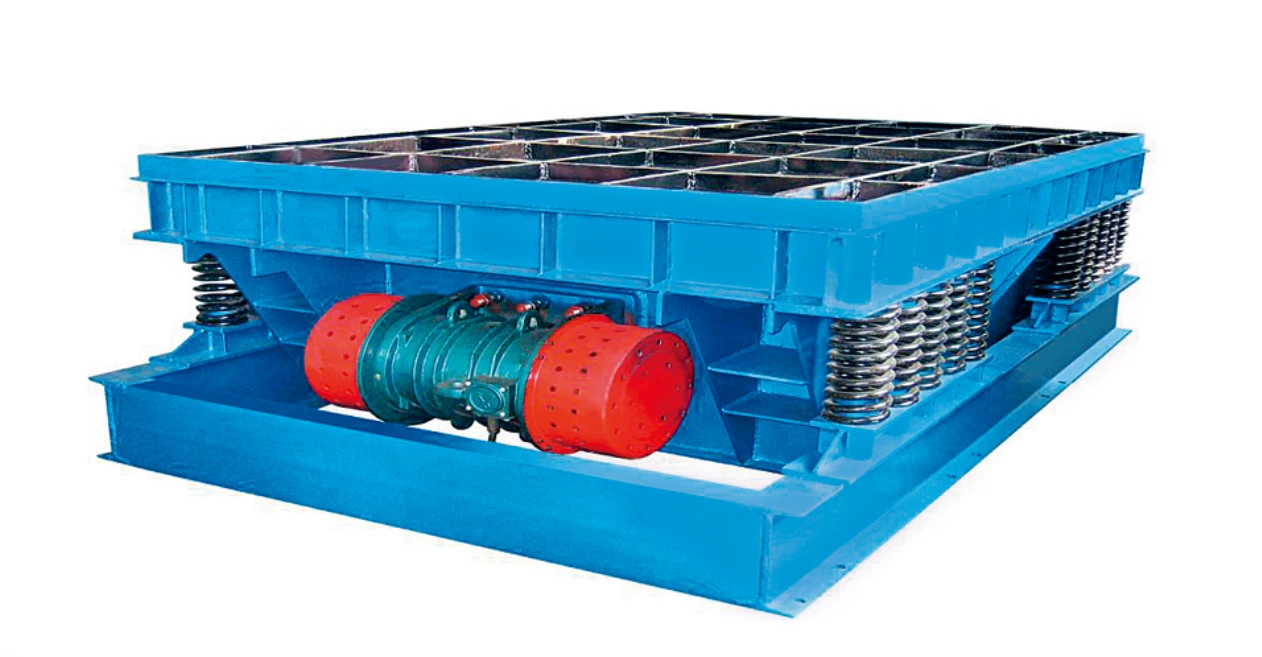
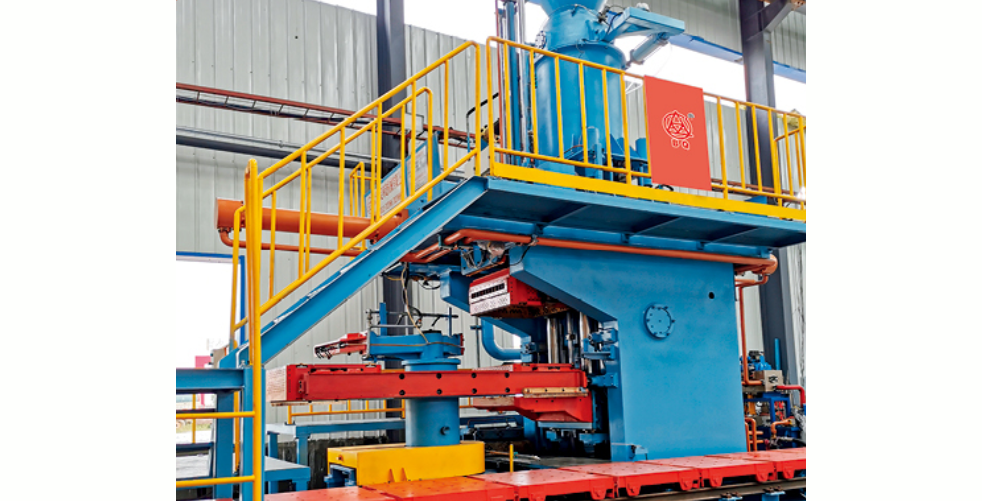
Between 2010 and 2020, the shift toward automated molding lines introduced precision components like the thrust bar to ensure structural stability during high-pressure molding cycles, significantly improving the yield of cast iron parts.

By 2023, the focus shifted toward the "digital twin" concept, where physical casting processes are mirrored in software to predict defects before the metal is even poured.

Future Development Trends

Autonomous Material Logistics

The next 3 years will see a surge in AI-driven intelligent warehousing that automatically adjusts inventory based on predictive casting schedules.

Precision Finishing Automation

There is a clear trend toward robotic cast iron finishing to eliminate hazardous manual grinding and achieve micron-level tolerances.

Integrated Cloud Ecosystems

Future foundries will operate via unified cloud management platforms that link raw material procurement directly to the production floor's energy consumption data.

Industry Outlook & Future Projections

Strategic forecasts for the North American specialized equipment market.

AI-Driven Process Control
Implementation of machine learning to optimize the cooling curves of cast iron components.
Zero-Waste Sand Cycles
Advanced reclamation systems for resin-based sands to meet US sustainability goals.
Hyper-Automation in Finishing
Transitioning from manual grinding to multi-axis robotic finishing centers.
Cloud-to-Edge Connectivity
Real-time edge computing for immediate adjustment of molding parameters.

Industry Outlook

The North American market is shifting toward a high-mix, low-volume production model. This requires machinery that can be rapidly reconfigured via cloud management platforms to handle diverse part geometries without extensive downtime.

Google search trends indicate a rising interest in "sustainable foundry practices," suggesting that the future winner in the US market will be the provider that combines extreme precision with a reduced carbon footprint.

Localized Application Scenarios in the USA

Real-world deployments of advanced casting technology in key North American sectors.

01. Heavy-Duty Automotive Engine Blocks

Applying resin coated sand for high-precision cores to ensure optimal airflow and combustion chambers in large-displacement V8 engines.

02. Industrial Pump Housing Manufacturing

Utilizing specialized thrust bar assemblies in molding lines to maintain the structural integrity of large-scale cast iron pump casings.

03. Aerospace Component Finishing

Implementing automated cast iron finishing cells to meet the stringent surface roughness requirements of aerospace-grade structural mounts.

04. Multi-Site Foundry Synchronization

Deploying cloud management platforms to synchronize production quality across plants located in Ohio and Michigan.

05. High-Volume Logistics Centers

Integrating intelligent warehousing for the automated storage and retrieval of complex mold patterns and core boxes.

Brand Story

Global Development Journey of Yonghong Baoding Casting Machinery Co., Ltd.

Foundational Engineering

Started with a mission to solve the instability of traditional black metal molds, focusing on high-durability machinery.

Precision Breakthrough

Developed industry-leading core-making technology that set new standards for dimensional accuracy.

Digital Integration

Launched the first generation of integrated control systems to reduce manual error in the casting process.

North American Expansion

Customized heavy-duty equipment specifically for the US market, focusing on automation and EPA compliance.

Smart Foundry Era

Now leading the way in combining physical machinery with cloud-based AI for the global casting industry.

Comprehensive Equipment Portfolio for the US Market

End-to-end machinery solutions designed for efficiency, durability, and precision.

Frequently Asked Questions

Expert insights on implementing advanced casting technology in North America.

How does resin coated sand improve casting precision?

It provides superior mold strength and lower thermal expansion compared to green sand, which minimizes mold distortion during the pouring of black metals.

What are the benefits of intelligent warehousing for foundries?

It optimizes the flow of patterns and cores, reducing retrieval time and eliminating bottlenecks in high-volume production lines.

Can cloud management platforms reduce scrap rates?

Yes, by providing real-time data analytics and alerts, operators can adjust parameters instantly to prevent common casting defects.

Why is the thrust bar critical in automated molding?

The thrust bar ensures precise linear movement and absorbs mechanical shocks, preventing misalignment during the molding cycle.

How to optimize cast iron finishing for high-volume orders?

Integrating robotic grinding stations with 3D scanning allows for consistent finishing quality and significantly higher throughput.

Is your equipment compatible with US electrical standards?

All our machinery exported to the United States is fully customized to meet UL standards and local voltage requirements.

Ready to Modernize Your Foundry?

Contact our expert engineering team to optimize your casting production in the United States.

Contact Us Now

If you are interested in our products, you can choose to leave your information here, and we will be in touch with you shortly.