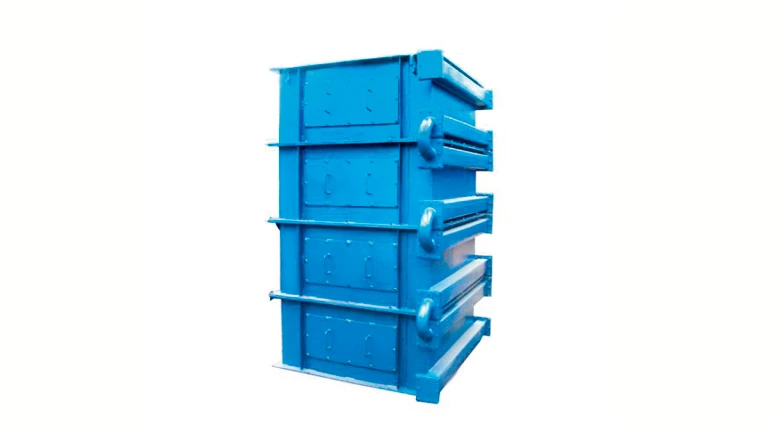
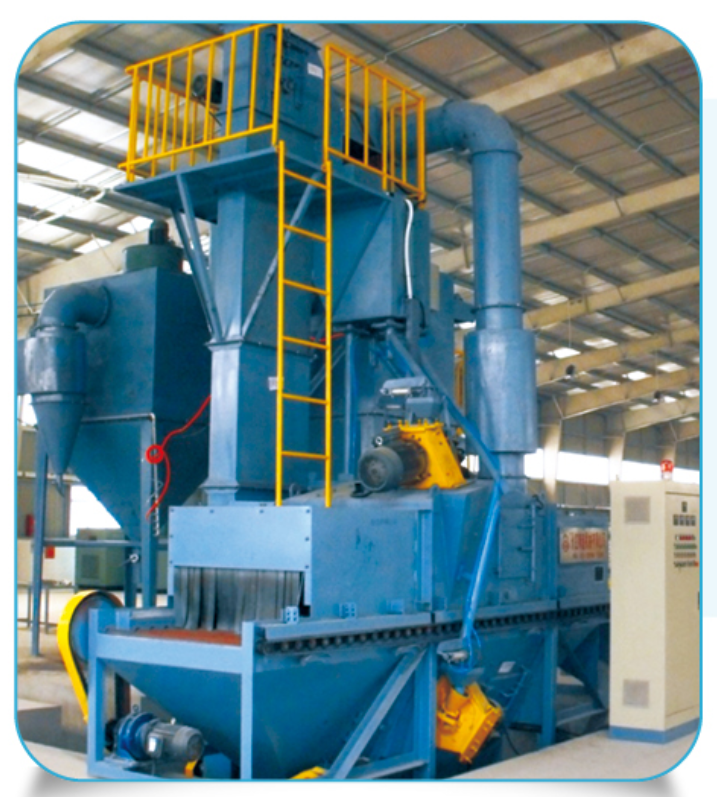
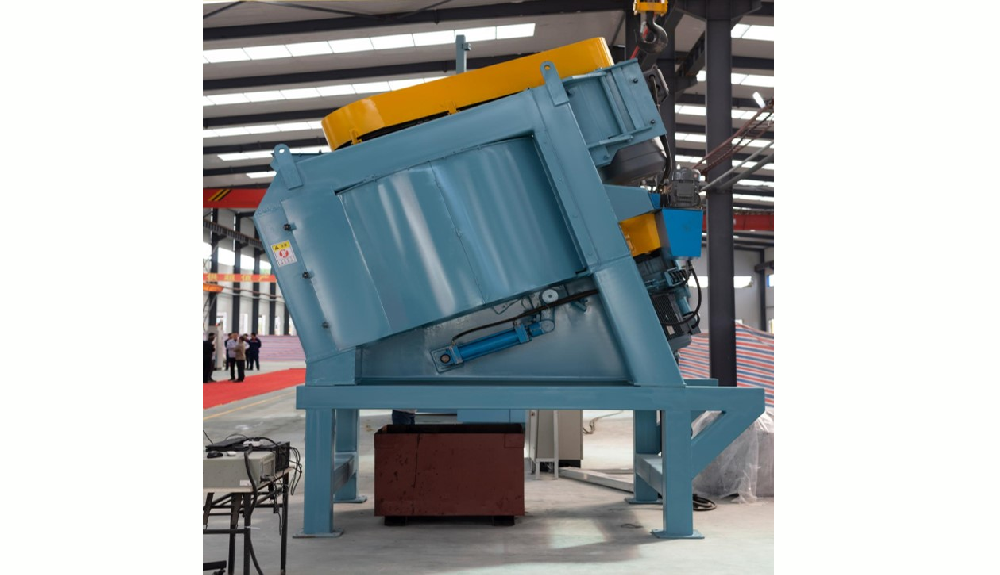
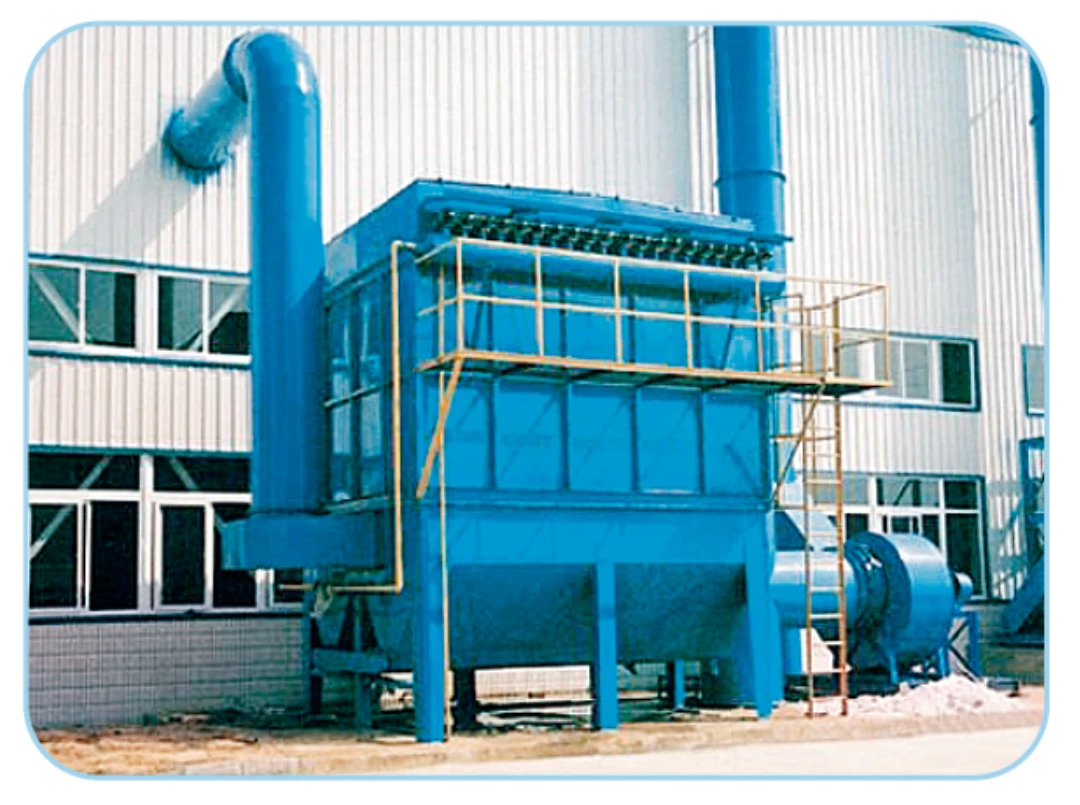
The casting industry in Libya currently faces a transitional phase, where traditional black metal foundries are struggling with the extreme arid climate and high ambient temperatures. These environmental factors often lead to inconsistencies in mold stability and increased wear on mechanical components, necessitating more robust equipment such as a high-strength thrust bar system to maintain structural integrity during heavy-duty operations.
Economically, Libya is seeking to diversify its industrial base beyond oil and gas. This shift has created a surge in demand for localized spare parts and infrastructure components. However, the reliance on manual labor for cast iron finishing has limited production speed and increased the defect rate, highlighting a critical need for semi-automated finishing lines.
Furthermore, the logistics of raw material management remain a bottleneck. Many foundries in the region still utilize legacy storage methods, which leads to material degradation. The adoption of intelligent warehousing is becoming a priority for Libyan enterprises aiming to optimize their supply chain and reduce operational waste.