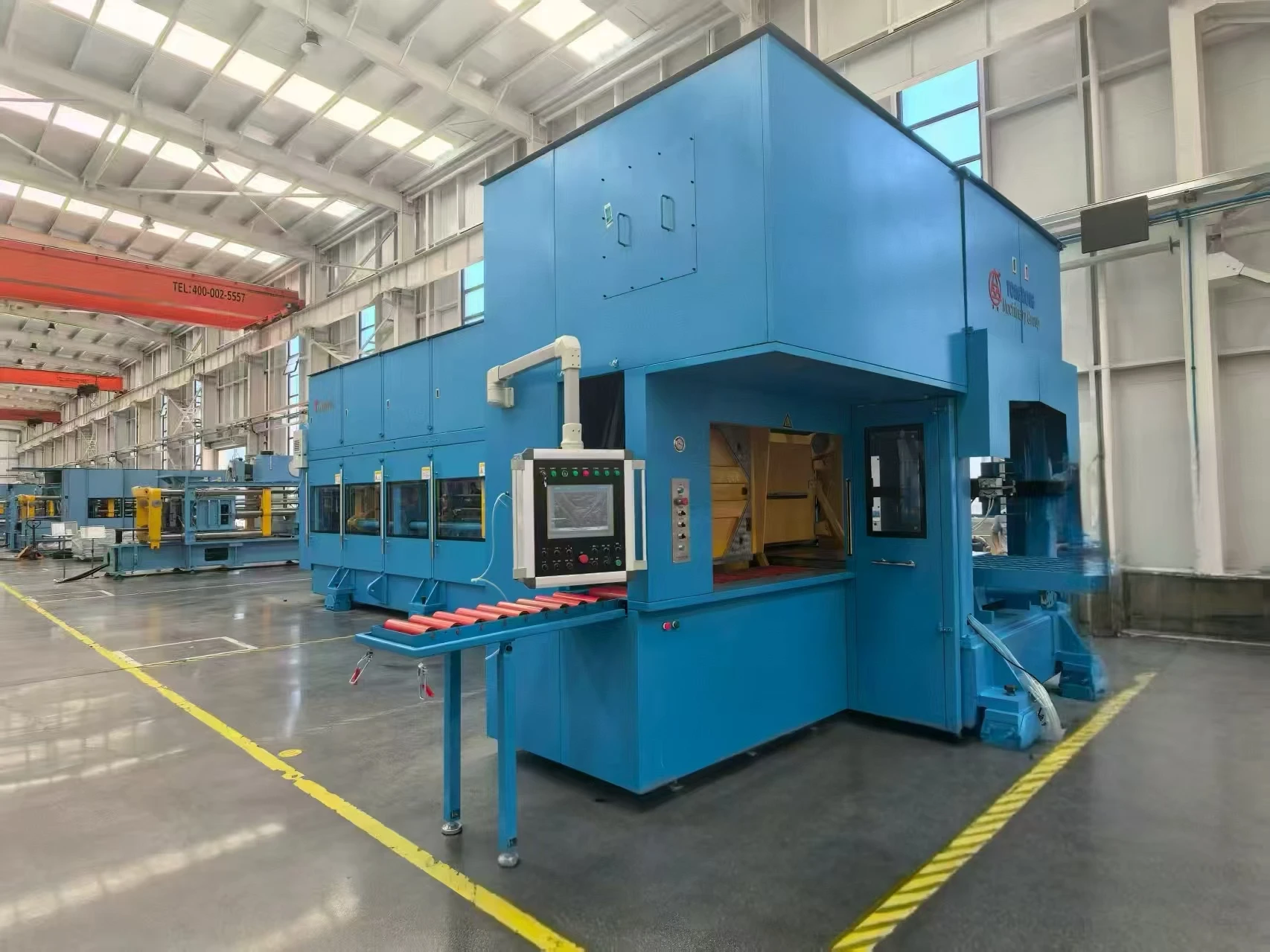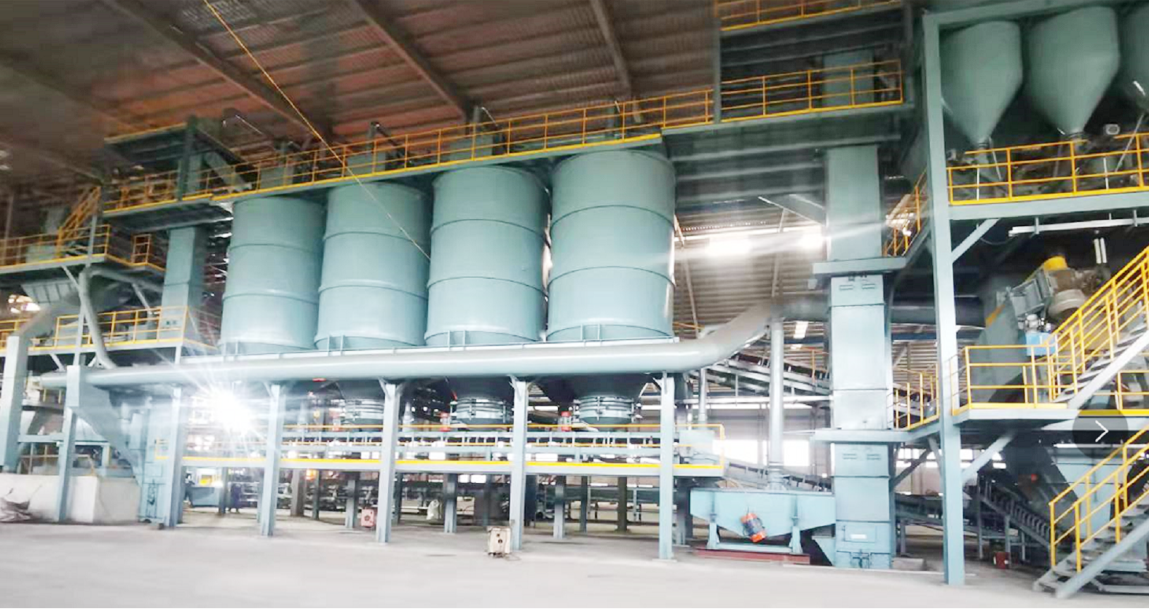
The foundry industry in Iraq is currently undergoing a transition from traditional manual labor to semi-automated systems. Due to the extreme arid climate and high ambient temperatures, the stability of casting materials is a critical concern for local manufacturers.
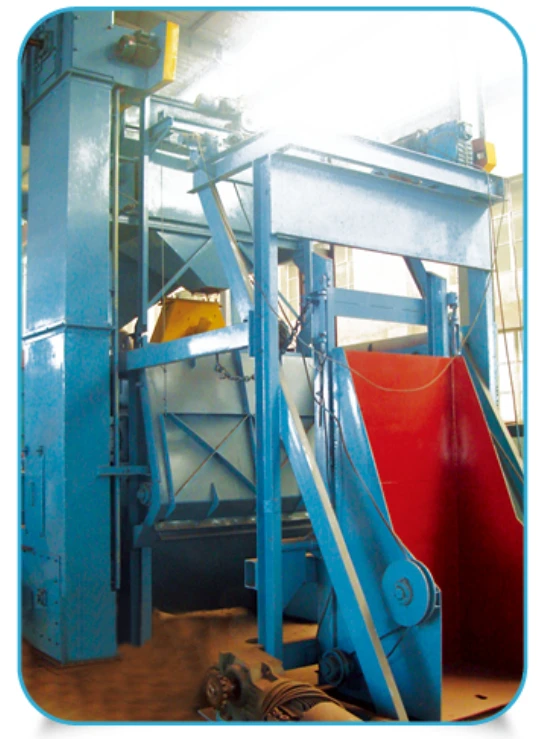
Many local workshops struggle with inconsistent surface quality in cast iron finishing, often relying on outdated grinding methods that increase lead times and labor costs in the reconstruction of Iraqi infrastructure.
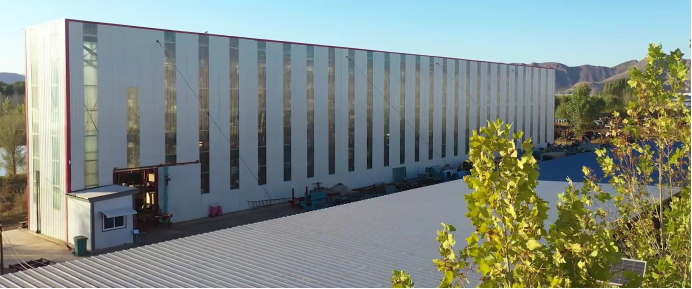
Furthermore, the lack of integrated logistics has led to an urgent need for intelligent warehousing to manage raw materials and finished heavy castings more efficiently amidst fluctuating market demands.