Your casting is getting easier!
link
Telephone:0312-7027666

Advanced Resin Coated Sand Casting Solutions for Iran's Heavy Industry

Integrating intelligent automation and precision molding technology to elevate the efficiency of ferrous metal casting in the Iranian industrial sector.

Advanced Resin Coated Sand Casting Solutions for Iran's Heavy Industry

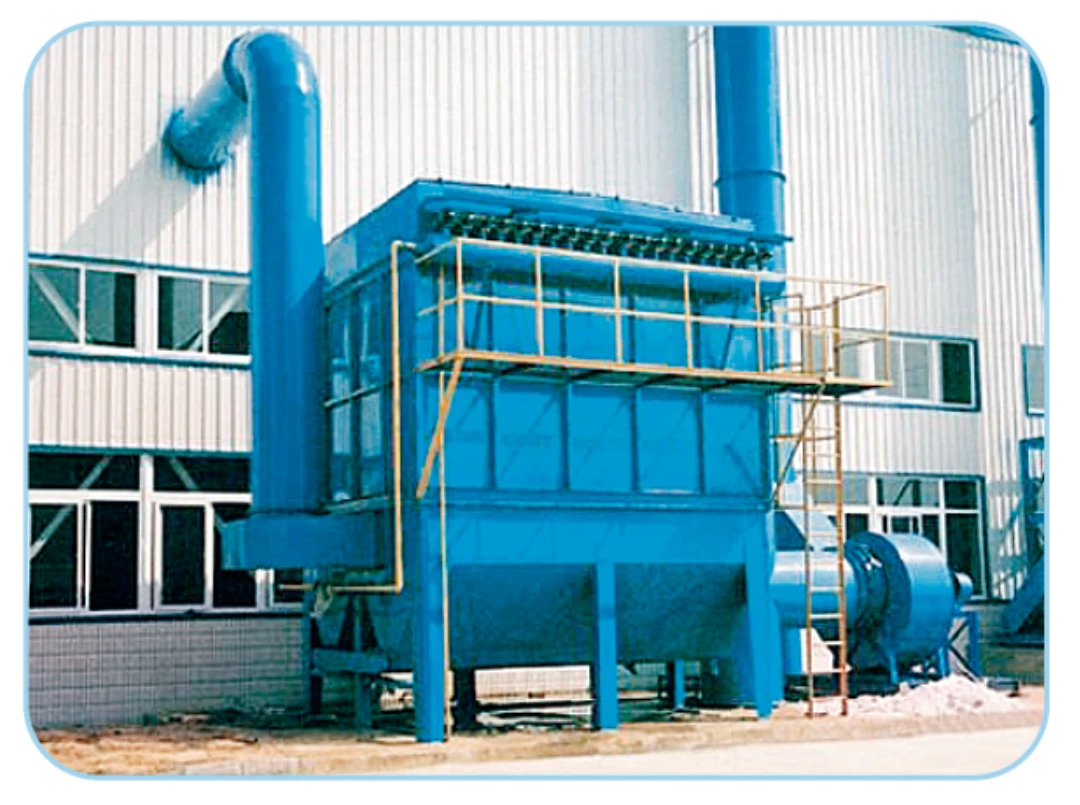
Our comprehensive suite of casting machinery is engineered to meet the rigorous demands of Iran's automotive and petrochemical sectors, ensuring high precision and reduced scrap rates through modernized molding processes.

The Landscape of Casting Manufacturing in Asia - Iran

Analyzing the intersection of traditional craftsmanship and the urgent need for industrial digitization.

The Iranian casting industry is currently characterized by a vast network of legacy foundries that serve the domestic automotive and energy sectors. However, the harsh arid climate and extreme temperature fluctuations in regions like Isfahan and Tehran pose significant challenges for sand stability and mold integrity, necessitating the adoption of high-performance resin coated sand to maintain dimensional accuracy.

Economic shifts have led to a critical demand for operational efficiency. Many local enterprises are struggling with high energy costs and labor-intensive processes, creating a gap that can only be filled by intelligent warehousing systems that optimize the flow of raw materials and finished castings, reducing lead times across the supply chain.

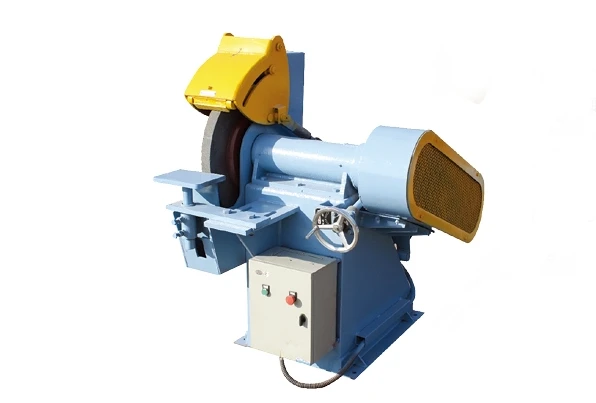
Furthermore, there is a growing emphasis on upgrading the final stages of production. The transition from manual grinding to automated cast iron finishing is now a strategic priority for Iranian manufacturers aiming to compete in the global export market by achieving superior surface quality and tighter tolerances.
Technical Evolution and Development Trajectory

From manual sand molding to the era of data-driven foundry management.

Market Development History

Prior to 2010, the Iranian ferrous casting sector relied heavily on green sand molding and manual labor. Production was characterized by high porosity and inconsistent quality, particularly in complex components requiring a sturdy thrust bar for structural support during the pouring process.

Between 2010 and 2020, the industry witnessed a "Mechanization Wave." The introduction of semi-automatic molding lines and the adoption of chemical binders allowed for more complex geometries. This period marked the initial shift toward precision, although data silos remained a major bottleneck in production planning.

From 2021 onwards, the trajectory shifted toward "Digital Integration." The industry began integrating cloud management platforms to synchronize shop-floor data with executive decision-making, allowing foundries to monitor temperature, humidity, and mold cycles in real-time.

Future Development Trends

AI-Driven Predictive Maintenance

The next phase will see the integration of AI to predict equipment failure in casting lines, utilizing sensor data to reduce unplanned downtime in heavy machinery.

Sustainable Binder Chemistry

Moving toward eco-friendly resin systems that reduce emissions during the pouring phase, aligning with global green manufacturing standards.

Full-Cycle Automation

The convergence of robotics in pouring and finishing, ensuring that every casting meets micron-level precision without human error.

Industry Trends and Future Outlook

Strategic foresight for the next 3-5 years of ferrous casting in the Middle East.

Cloud-Native Operations
Widespread adoption of cloud management platforms to synchronize multi-site foundry operations across Iran.
Automated Logistics
Implementation of intelligent warehousing to manage the heavy throughput of cast iron components.
Precision Finishing
Advanced robotic cells for cast iron finishing to eliminate manual grinding errors.
Material Innovation
Development of specialized thrust bar alloys for high-stress engine components.

Industry Outlook

Google search trends for "Industrial IoT in Manufacturing" and "Automated Foundry Solutions" have shown a significant uptick within the Iranian market, signaling a readiness for digital transformation. We expect a pivot toward integrated ecosystems where the molding line communicates directly with the inventory system.

The future will be defined by the ability to reduce energy consumption per ton of cast iron. By optimizing the thermal efficiency of the casting process and utilizing advanced resins, Iranian foundries will reduce their environmental footprint while increasing output.

Localized Application Scenarios in Iran

Real-world implementations tailored to the Iranian industrial ecosystem.

01. Automotive Engine Block Production

Utilizing resin coated sand to create high-precision cores for cylinder blocks in Tehran's automotive hubs, ensuring zero leakage and optimal cooling channels.

02. Petrochemical Valve Casting

Applying heavy-duty thrust bar reinforcements in large-scale valve housings to withstand the extreme pressures of the South Pars Gas Field equipment.

03. Smart Foundry Logistics

Deploying intelligent warehousing in Isfahan foundries to manage the rapid movement of iron ingots and finished molds, reducing logistical bottlenecks by 30%.

04. High-Volume Brake Disc Finishing

Implementation of automated cast iron finishing lines for brake disc manufacturers, replacing manual grinding with CNC-integrated polishing for consistent friction surfaces.

05. Remote Plant Monitoring

Using cloud management platforms to allow engineers in Tehran to monitor the operational health of casting machinery located in remote industrial zones.

Brand Story

Global Development Journey of Yonghong Baoding Casting Machinery Co., Ltd.

Foundational Excellence

Started with a commitment to solving the most basic pain points of ferrous casting, focusing on mold stability and durability for heavy industry.

Technological Breakthrough

Pioneered the integration of automated sand handling systems, significantly reducing labor dependency in the molding process.

Global Market Expansion

Extended our reach to the Middle East, adapting our machinery to withstand extreme climatic conditions and diverse energy inputs.

Digital Transformation

Launched our first series of cloud-integrated casting lines, bridging the gap between physical production and digital management.

Future-Ready Vision

Dedicated to creating a zero-defect casting ecosystem through the synergy of AI, robotics, and advanced material science.

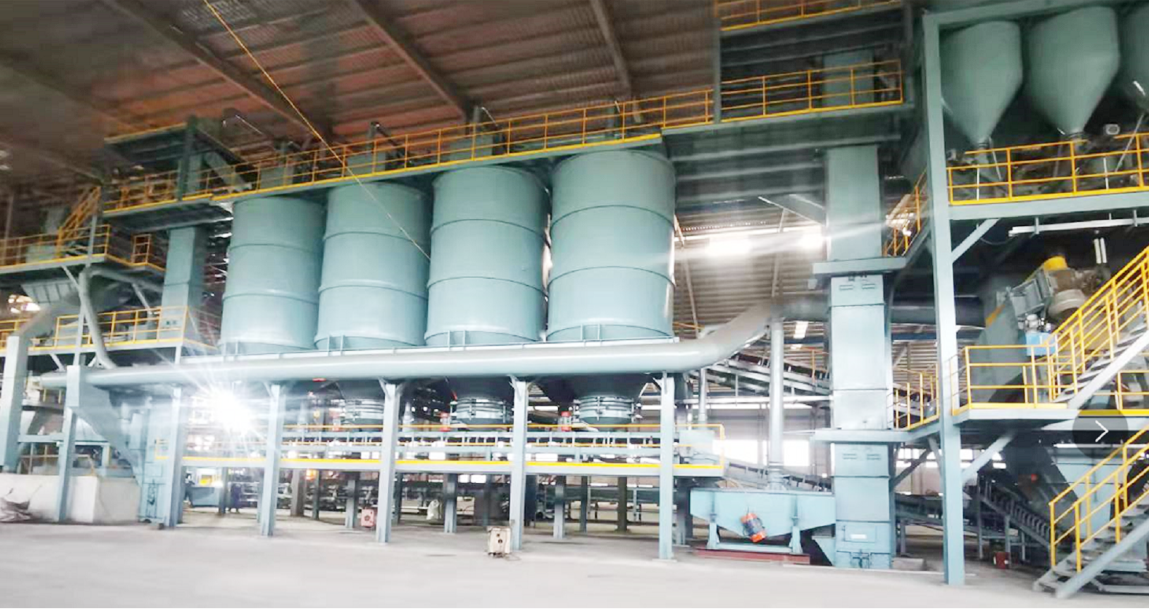
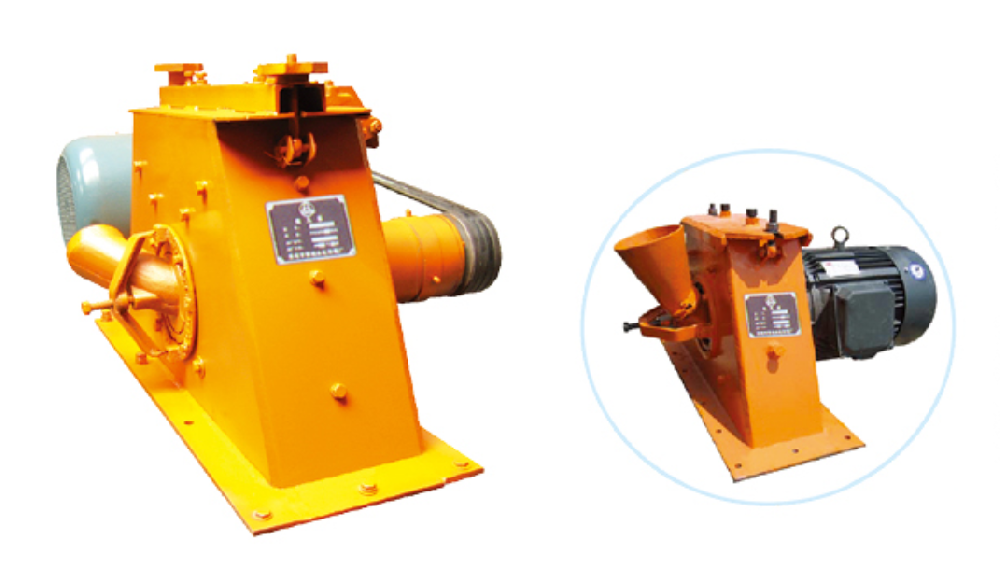
Integrated Casting Equipment Portfolio for Iran

A complete range of machinery designed for high-efficiency black metal casting.

Common Questions in the Iranian Casting Sector

Expert answers to technical and operational challenges.

How does resin coated sand improve casting quality in arid climates?

Resin coated sand provides superior moisture resistance and higher strength compared to green sand, preventing mold collapse and reducing gas defects caused by the high ambient temperatures in Iran.

What are the benefits of cloud management platforms for multi-site foundries?

These platforms allow for centralized monitoring of production yields, energy consumption, and equipment health, enabling managers to optimize resources across different geographic locations in real-time.

How to optimize intelligent warehousing for heavy cast iron parts?

By implementing heavy-duty automated storage and retrieval systems (AS/RS) and integrating them with the production schedule to ensure a lean flow from the finishing line to shipping.

What role does a thrust bar play in heavy mold stability?

The thrust bar acts as a critical structural support that prevents mold shift during the high-pressure pouring of molten iron, ensuring the geometric integrity of large-scale industrial castings.

Can automated cast iron finishing reduce post-processing costs?

Yes, automation significantly reduces labor costs and minimizes scrap caused by over-grinding, while ensuring a consistent surface finish that meets international export standards.

What is the typical ROI for updating to a digital foundry system in Asia - Iran?

Most foundries report a return on investment within 18-24 months through a combination of reduced material waste, lower energy bills, and increased throughput per shift.

Ready to Transform Your Foundry?

Our experts are ready to deploy world-class casting solutions across Iran to enhance your production capacity and precision.

Contact Us Now

If you are interested in our products, you can choose to leave your information here, and we will be in touch with you shortly.