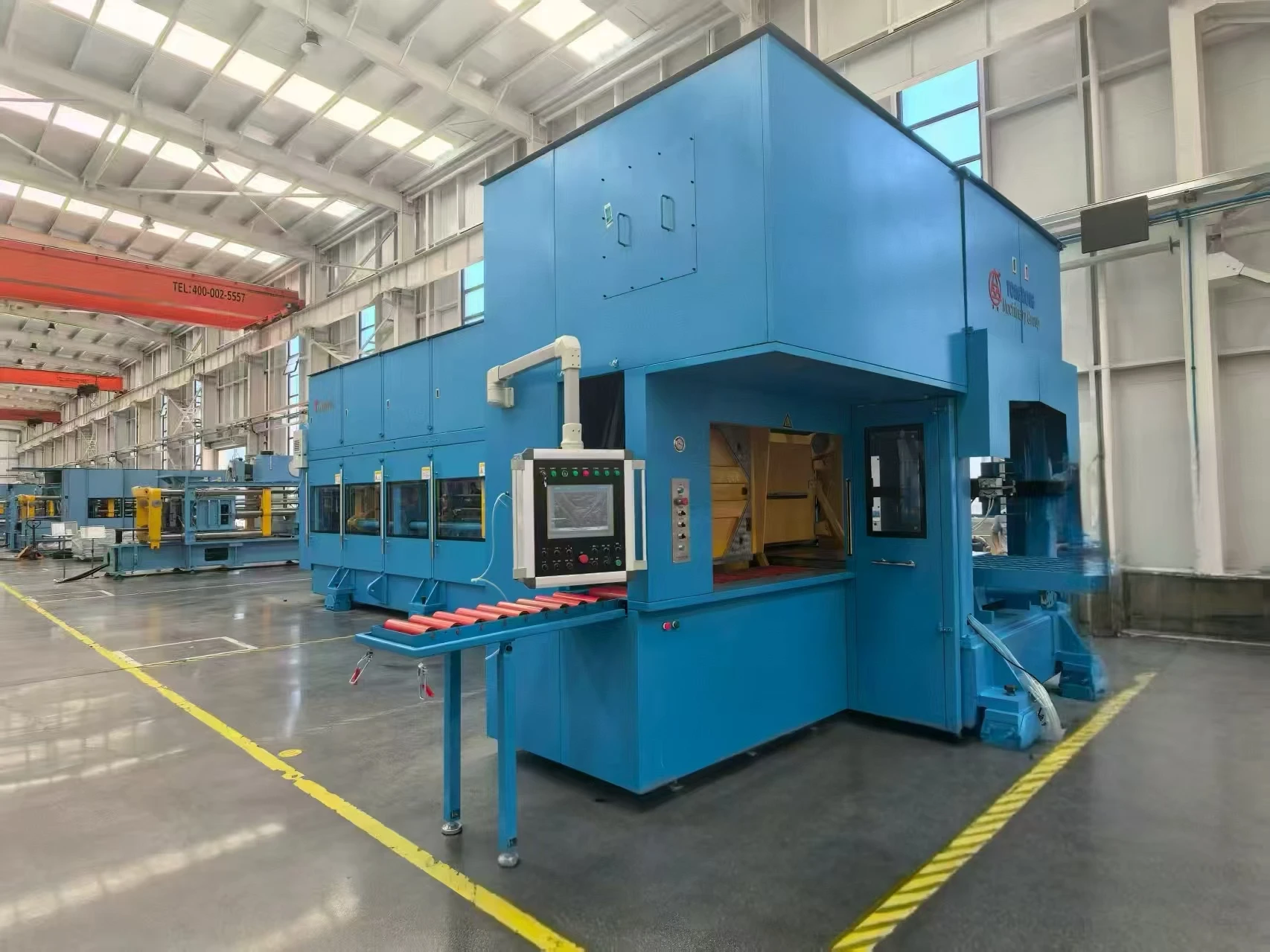
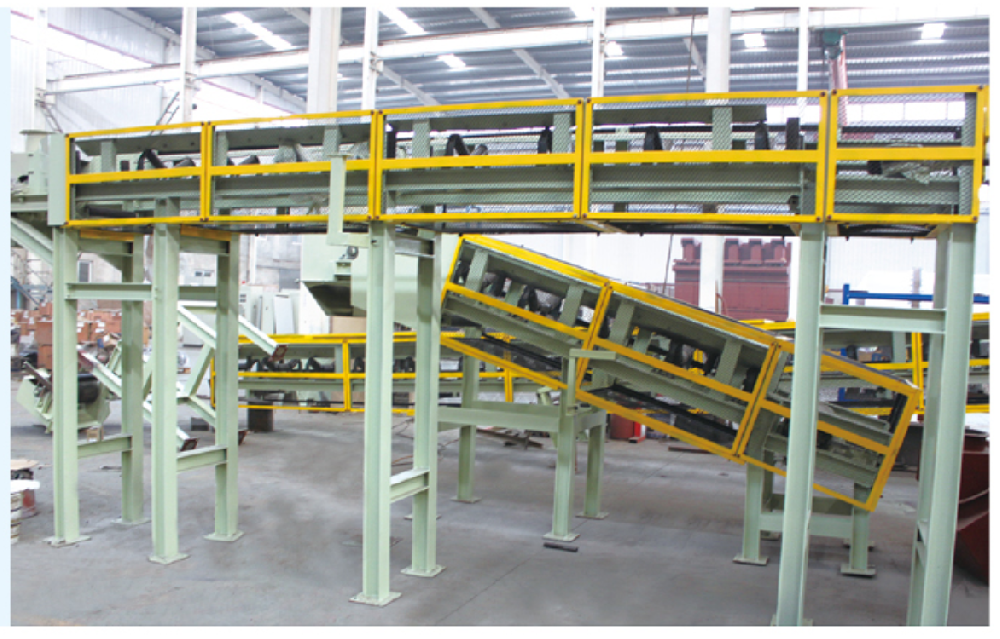
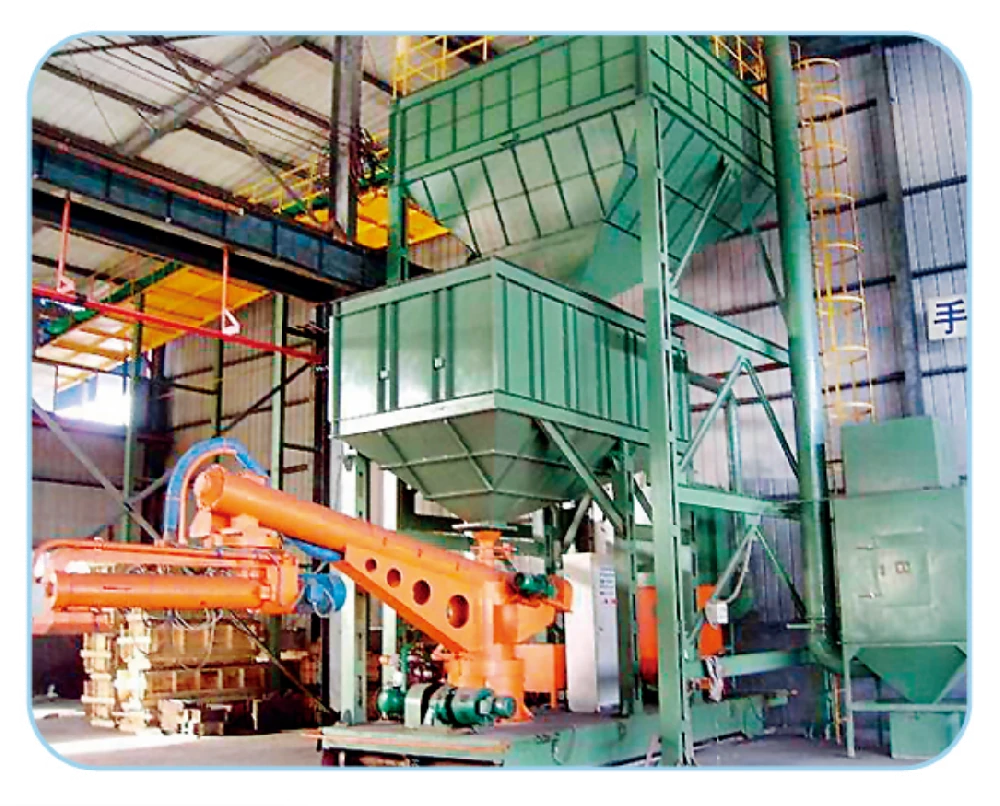
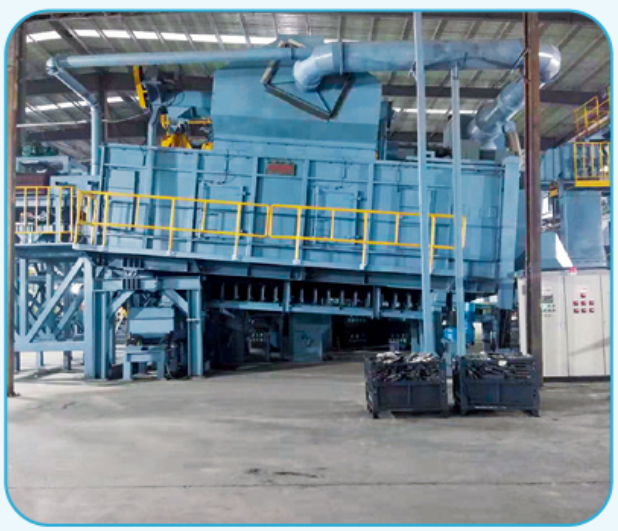
The foundry sector in Ecuador currently faces a transitional phase. Many local workshops still rely on manual molding processes, which leads to inconsistent quality in high-stress components like the thrust bar, limiting the industry's ability to serve the growing oil and gas infrastructure needs of the region.
Geographically, the diverse climate of Ecuador, ranging from coastal humidity to Andean altitudes, affects the stability of molding materials. This has created an urgent demand for more stable chemical binders and advanced cast iron finishing techniques to prevent surface defects and oxidation during the cooling process.
Furthermore, the economic push towards industrial autonomy in South America is driving Ecuadorian manufacturers to seek intelligent warehousing systems to manage raw materials more efficiently, reducing waste and lowering the operational costs of heavy machinery production.