Your casting is getting easier!
link
Telephone:0312-7027666

Advanced Foundry Solutions with Resin Coated Sand for Thailand's Industry

Empowering Thailand's black metal casting sector with intelligent automation, high-precision molding, and cloud-integrated management.

Advanced Foundry Solutions with Resin Coated Sand for Thailand's Industry

Integrating cutting-edge material science and digital control to optimize the production of high-durability black metal castings in the Southeast Asian market.

The Current State of Thailand's Black Metal Casting Sector

Analyzing the intersection of traditional craftsmanship and Industrial 4.0 in the Thai manufacturing landscape.

Thailand's casting industry is currently navigating a transition from labor-intensive workshops to automated facilities. Due to the humid tropical climate of Thailand, moisture control in molding materials has become a critical challenge, leading many foundries to adopt resin coated sand to ensure mold stability and surface quality.

The demand for automotive components and heavy machinery has pushed local manufacturers toward adopting intelligent warehousing to manage raw materials and finished castings more efficiently, reducing the logistical bottlenecks common in the Eastern Economic Corridor (EEC).

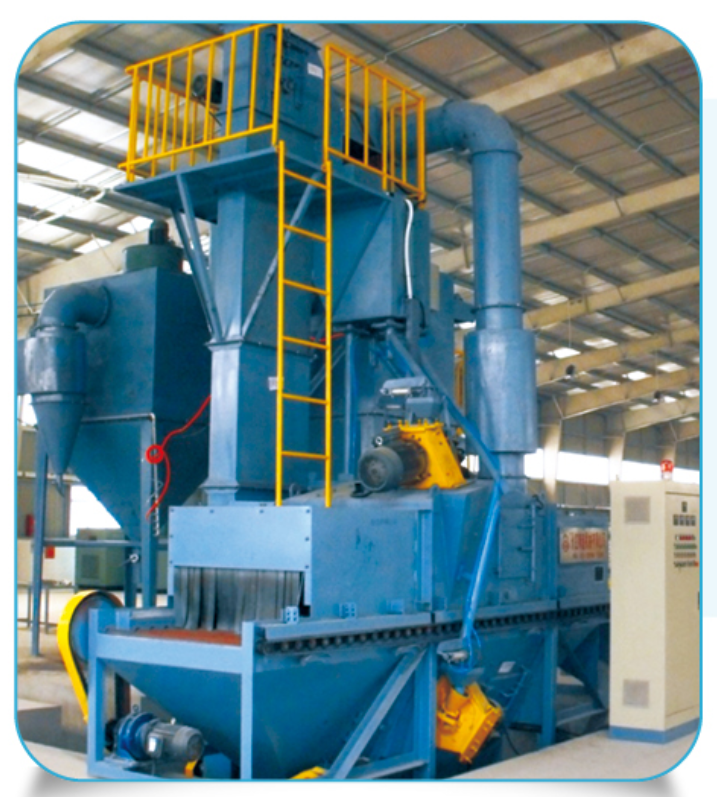
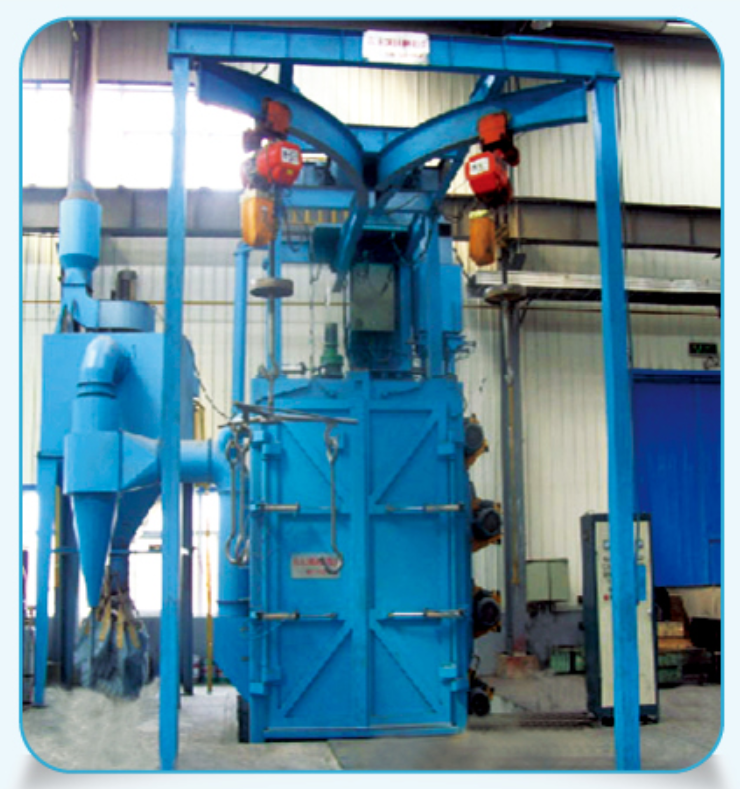
Despite these gains, many SMEs still struggle with the final stages of production. There is a growing urgency to modernize cast iron finishing processes to meet the stringent export quality standards required by global partners in Japan and Europe.
Evolution and Technical Trajectory of Casting Equipment

From manual sand casting to the era of data-driven foundry management.

Market Development History

Between 1990 and 2010, the Thai foundry market relied heavily on manual green sand molding and basic mechanical shaking. This era was characterized by high scrap rates and inconsistent dimensions in heavy-duty components like the thrust bar.

From 2011 to 2020, the industry saw a surge in PLC-controlled molding lines. The introduction of chemically bonded sands reduced the reliance on manual labor and improved the dimensional accuracy of complex black metal parts.

Since 2021, the shift has moved toward total digitalization. Foundries are now integrating cloud management platforms to synchronize production schedules, monitor energy consumption, and track quality metrics in real-time.

Future Development Trends

Hyper-Automation in Finishing

The next 3 years will see a move toward robotic grinding and AI-driven inspection for cast iron finishing, reducing human error and improving safety.

Predictive Maintenance via Cloud

Utilization of cloud management platforms will evolve from simple monitoring to predictive analytics, anticipating equipment failure before it occurs.

Eco-friendly Binder Systems

Driven by Thailand's "BCG" (Bio-Circular-Green) economy model, there will be a shift toward bio-based resins for coated sands to reduce VOC emissions.

Industry Trends and Future Outlook 2025-2030

Strategic foresight for the black metal casting machinery sector in Southeast Asia.

Cloud-Centric Orchestration
Integrating production data into cloud management platforms to optimize energy efficiency and carbon footprint.
Smart Logistics Integration
Expanding intelligent warehousing with AGVs to automate the movement of heavy iron castings.
Precision Material Science
Development of next-gen resin coated sand with higher thermal stability for thinner walls.
Zero-Defect Finishing
Implementing automated cast iron finishing cells to eliminate manual grinding variance.

Industry Outlook

Google search trends indicate a sharp rise in "Smart Factory Thailand" and "Automated Foundry Equipment," suggesting that Thai manufacturers are moving beyond basic machinery toward integrated ecosystems. The focus is shifting from purely increasing output to optimizing "Yield per KWh."

The integration of IoT and cloud systems will allow Thailand to become a regional hub for high-precision black metal components, moving up the value chain from simple casting to complex engineered parts.

Localized Application Scenarios in Thailand

Real-world implementations of advanced casting technology across Thai industrial sectors.

01. Automotive Engine Component Production

Utilizing resin coated sand to create high-precision cores for engine blocks, ensuring zero leakage and high thermal resistance for vehicles assembled in Rayong.

02. Industrial Infrastructure Components

Manufacturing heavy-duty thrust bar units for the construction sector, utilizing automated molding lines to maintain strict dimensional tolerances.

03. Agricultural Machinery Casting

Applying advanced cast iron finishing techniques to produce rust-resistant, smooth-surface tractor parts for Thailand's vast agricultural market.

04. Smart Foundry Hubs in EEC

Implementing intelligent warehousing to manage the flow of sand, binders, and castings, reducing lead times for just-in-time delivery to OEMs.

05. Remote Foundry Management

Deploying cloud management platforms to allow factory owners to monitor production efficiency and energy usage from Bangkok headquarters.

Brand Story

Global Development History of Yonghong Baoding Casting Machinery Co., Ltd.

Founding the Vision

Established with the mission to eliminate inefficiency in black metal casting through precision engineering and robust mechanical design.

Technological Breakthroughs

Pioneered the integration of automated sand handling systems, significantly reducing the labor cost for global foundries.

Global Market Expansion

Successfully exported precision casting lines to Southeast Asia, tailoring equipment to meet the specific climatic needs of Thailand.

Digital Transformation

Launched integrated software solutions, bridging the gap between heavy machinery and cloud-based data analytics.

Sustainable Future

Dedicated to developing green casting technologies that reduce waste and energy consumption for a sustainable manufacturing future.

Complete Casting Product Portfolio for Thailand

A comprehensive range of machinery designed for the Thai black metal industry.

Common Foundry Questions in Thailand

Expert answers to technical challenges faced by local casting manufacturers.

How does resin coated sand perform in Thailand's high humidity?

Our resin coated sand is specifically engineered to be hydrophobic, preventing moisture absorption that typically causes defects in green sand casting in tropical climates.

Can cloud management platforms integrate with old casting machines?

Yes, our platforms use IoT gateways to retrofit legacy equipment, allowing you to collect data from older machinery and centralize it in the cloud.

What is the best way to automate cast iron finishing for export quality?

We recommend a combination of robotic shot blasting and precision grinding cells to ensure a uniform surface and meet international quality standards.

How can intelligent warehousing reduce scrap rates in foundries?

By implementing First-In-First-Out (FIFO) for binders and sands, intelligent warehousing prevents material degradation, which is a primary cause of casting defects.

What are the tolerances for a precision-cast thrust bar?

Depending on the molding process, our equipment can achieve tolerances within ±0.5mm for large thrust bars, significantly reducing subsequent machining time.

How do I start the digital transformation of my Thai foundry?

We suggest starting with a cloud management platform for data visibility, then incrementally automating the highest-cost areas like finishing and warehousing.

Ready to Modernize Your Foundry?

Contact our expert team today for a tailored industrial solution designed specifically for the manufacturing landscape in Thailand.

Contact Us Now

If you are interested in our products, you can choose to leave your information here, and we will be in touch with you shortly.