Your casting is getting easier!
link
Telephone:0312-7027666

Advanced Black Metal Foundry Solutions with Resin Coated Sand for Hungary

Integrating intelligent automation and precision casting technology to elevate the Hungarian metallurgical industry to Industry 4.0 standards.

Advanced Black Metal Foundry Solutions with Resin Coated Sand for Hungary

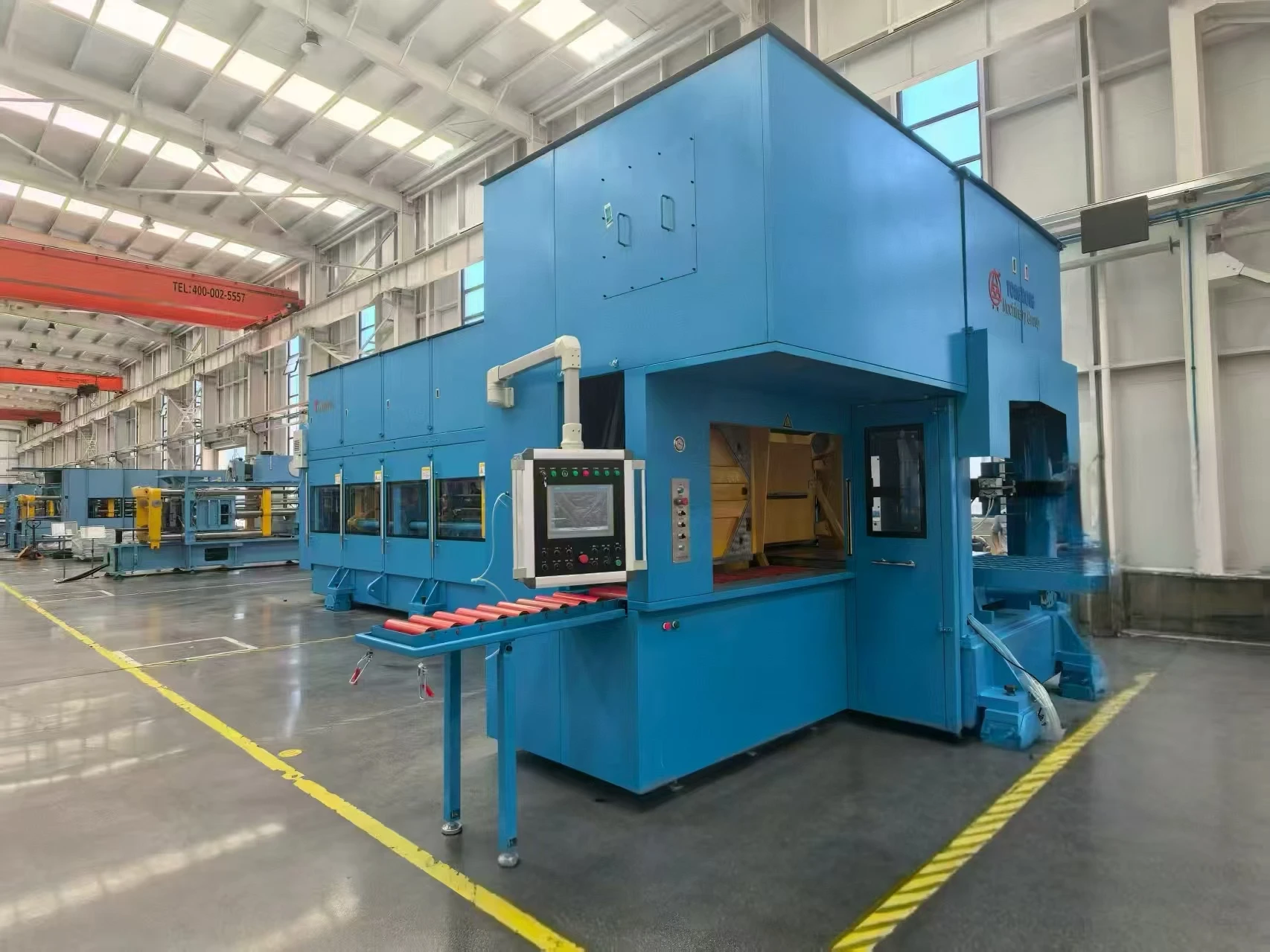
Providing comprehensive equipment and material ecosystems to optimize black metal casting, from precision molding using resin coated sand to automated finishing processes.

Current State of Black Metal Casting in Hungary

Analyzing the transition from legacy foundries to smart manufacturing in the Central European hub.

Hungary's casting industry is currently at a critical junction, heavily influenced by the automotive and machinery clusters in the region. While traditional methods still prevail in smaller workshops, there is a massive push toward integrating intelligent warehousing to manage the logistics of heavy raw materials and finished castings more efficiently.

Environmental regulations within the EU have forced Hungarian foundries to move away from traditional binders. The adoption of resin coated sand has become a priority to reduce emissions and improve the dimensional accuracy of complex black metal components required by the German-Hungarian industrial corridor.

Furthermore, the labor shortage in skilled manual finishing has led to an increased demand for automated cast iron finishing systems. Foundries are now seeking ways to digitize their entire floor, leading to the initial implementation of cloud management platforms to monitor energy consumption and production cycles in real-time.
Evolution and Technical Trajectory of Casting in Hungary

From manual molding to the era of data-driven metallurgical production.

Market Development History

Between 1990 and 2010, the Hungarian casting sector focused on stabilizing production volume and basic quality control for heavy machinery, relying heavily on manual labor and basic sand casting techniques for components like the thrust bar.

From 2011 to 2020, the industry shifted toward "Precision Casting 1.0," introducing CNC-controlled molding and the widespread use of chemical binders to meet the strict tolerances of the European automotive supply chain.

Since 2021, the focus has pivoted toward "Smart Foundry 2.0," where the integration of IoT and cloud management platforms has enabled predictive maintenance of casting equipment and optimized material flow.

Future Development Trends

AI-Driven Quality Prediction

The next 3 years will see a shift toward AI that predicts casting defects based on real-time thermal data, significantly reducing scrap rates in black metal production.

Zero-Emission Binders

Development will focus on biodegradable resin systems for coated sands to align with the EU's Green Deal, further evolving the use of resin coated sand.

Fully Autonomous Finishing

The transition from semi-automated to fully autonomous cast iron finishing using robotic arms and 3D scanning for surface correction.

Industry Trends and Future Outlook (2024-2028)

Strategic foresight for black metal casting equipment in the Hungarian market.

Cloud-Integrated Management
Widespread migration of foundry ERPs to cloud management platforms for remote plant synchronization.
AGV-Driven Logistics
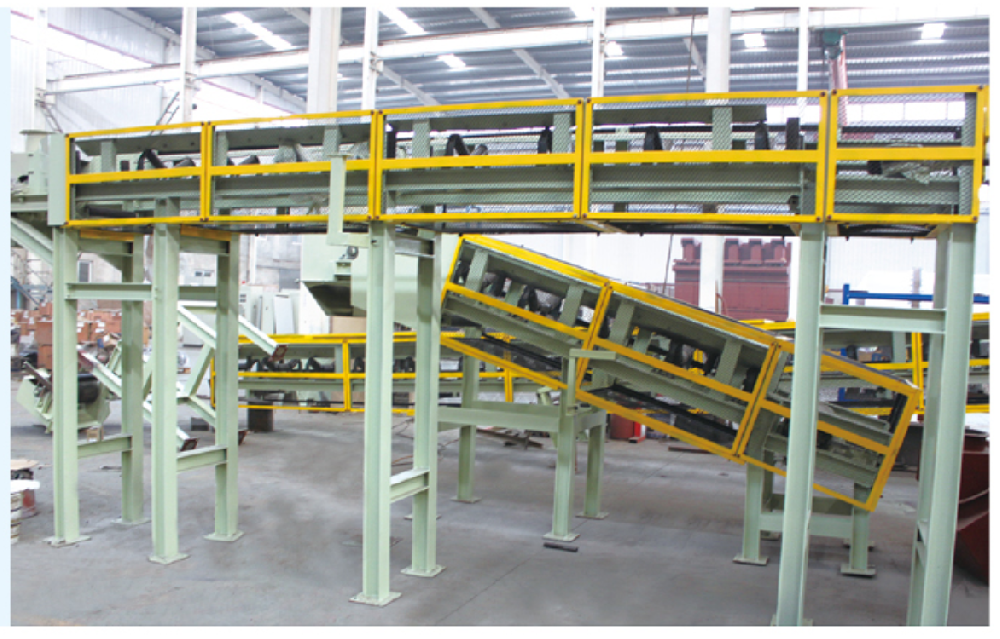
Replacing forklifts with intelligent warehousing systems for safer transport of hot castings.
Hybrid Sand Systems
Combining traditional silica with advanced resin coated sand for complex core geometries.
Digital Finishing Twins
Using digital twins to simulate the cast iron finishing process to optimize grinding paths.

Industry Outlook

Based on Google search trends in the CEE region, there is a growing interest in "sustainable foundry" and "Industry 4.0 casting." Hungarian manufacturers are expected to shift their investment from raw capacity expansion to efficiency optimization.

The synergy between hardware (robotic finishing) and software (cloud management) will be the primary driver of competitiveness, allowing Hungarian foundries to compete with larger Western European plants on quality and lead time.

Localized Application Scenarios in Hungary

Real-world implementation of casting technologies in the Hungarian industrial landscape.

1. Automotive Engine Block Production in Győr

Implementing high-precision resin coated sand cores to produce complex water jackets and oil galleries with zero permeability defects.

2. Heavy Industrial Valve Castings in Budapest

Using automated cast iron finishing lines to process large-scale valve bodies, reducing manual grinding time by 60%.

3. Transmission Component Casting for Gearboxes

Precise casting of the thrust bar and associated housing using hybrid molding techniques for extreme wear resistance.

4. Smart Logistics for Foundry Raw Materials

Deployment of intelligent warehousing to manage the just-in-time delivery of alloys and sands, reducing inventory overhead.

5. Multi-Plant Production Sync for Metallurgy Groups

Utilizing cloud management platforms to standardize quality parameters across different production sites in Hungary and neighboring regions.

Brand Story

Global Development History of Yonghong Baoding Casting Machinery Co., Ltd.

Foundational Engineering

Started as a specialized workshop focusing on the structural integrity of black metal casting machinery for heavy industry.

Technological Breakthrough

Developed advanced molding systems that optimized the use of resin-based sands, reducing casting defects globally.

International Expansion

Entered the European market, tailoring equipment to meet the strict CE standards and efficiency requirements of EU foundries.

Digital Transformation

Launched the first integrated cloud-based monitoring system for casting lines, bridging the gap between hardware and data.

Commitment to Sustainability

Currently leading the way in eco-friendly casting solutions, focusing on waste reduction and energy efficiency in black metal manufacturing.

Comprehensive Casting Portfolio for Hungary

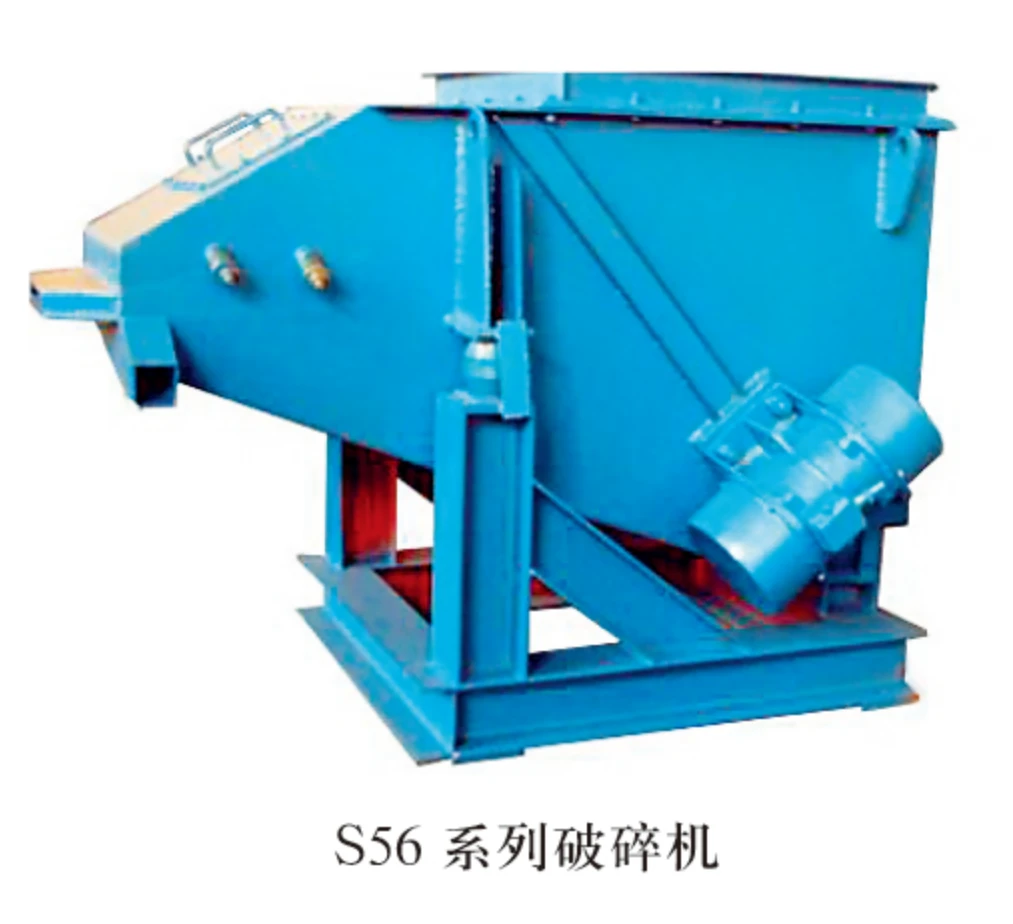
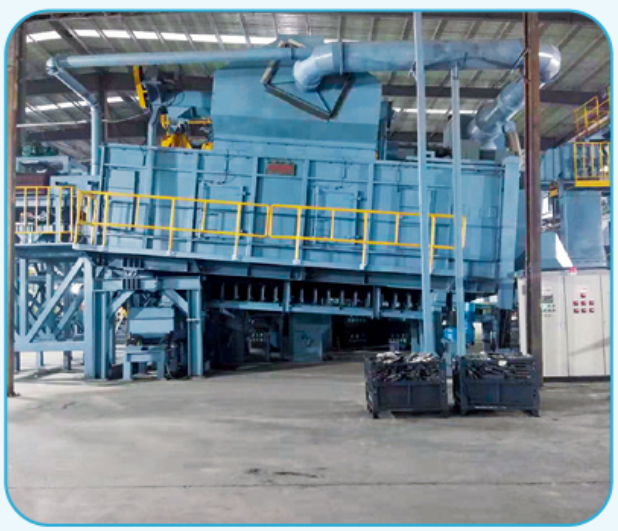
End-to-end equipment solutions from sand preparation to final surface finishing.

Frequently Asked Questions in Hungary

Technical insights and commercial queries regarding black metal casting automation.

How does resin coated sand improve the quality of complex black metal parts?

It provides superior dimensional stability and a smoother surface finish compared to traditional green sand, reducing the need for extensive post-casting grinding.

Can cloud management platforms be integrated into existing legacy foundries?

Yes, via IoT gateways and PLC upgrades, existing machinery can be connected to a cloud system for real-time data acquisition and performance analysis.

What are the benefits of intelligent warehousing for casting raw materials?

It optimizes the storage of heavy alloys and sands, reduces material handling time, and ensures a consistent supply chain for high-volume production.

What is the typical cycle time reduction with automated cast iron finishing?

Depending on the part complexity, automation can reduce finishing cycles by 40% to 70% compared to traditional manual grinding methods.

How to ensure the durability of a thrust bar cast in black metal?

By optimizing the cooling rate and using high-precision molding equipment to prevent internal porosity and ensure uniform grain structure.

Are the equipment solutions compliant with EU environmental directives in Hungary?

All our latest machinery is designed to meet CE standards and emphasizes low-emission binders and energy-efficient motors to comply with EU laws.

Ready to Modernize Your Foundry?

Our technical experts are available to provide customized casting automation audits for your facility in Hungary.

Contact Us Now

If you are interested in our products, you can choose to leave your information here, and we will be in touch with you shortly.