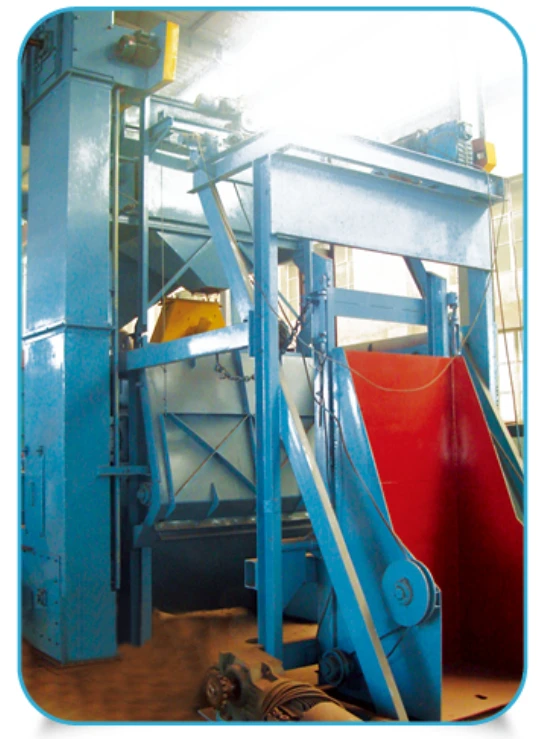
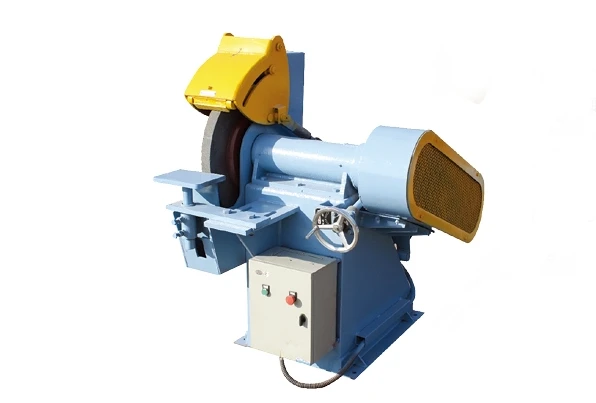
Your casting is getting easier!
link
Telephone:0312-7027666

Advanced Black Metal Foundry Solutions for intelligent warehousing in North Korea

Integrating precision casting machinery with digital logistics to optimize heavy industrial output in the North Korean metallurgical sector.

Advanced Black Metal Foundry Solutions for intelligent warehousing in North Korea

Our integrated approach combines high-performance casting hardware with smart management systems to drive efficiency in North Korea's heavy industry.

Industrial Landscape of Foundry Manufacturing in North Korea

Analyzing the intersection of traditional black metal casting and modern digital integration.

The casting industry in North Korea is characterized by a strong reliance on heavy machinery and state-led industrial hubs. Historically, these facilities have focused on high-volume black metal production, but they now face the challenge of upgrading aging infrastructure to meet modern precision standards, particularly in the application of resin coated sand for complex molds.

Given the region's specific economic constraints and the focus on self-reliance (Juche), there is a growing demand for localized cloud management platforms that can operate on private intranets to synchronize production schedules with raw material availability.

Furthermore, the harsh winter climate in North Korea necessitates equipment that can maintain thermal stability during the cast iron finishing process, ensuring that structural integrity is not compromised by extreme temperature fluctuations.
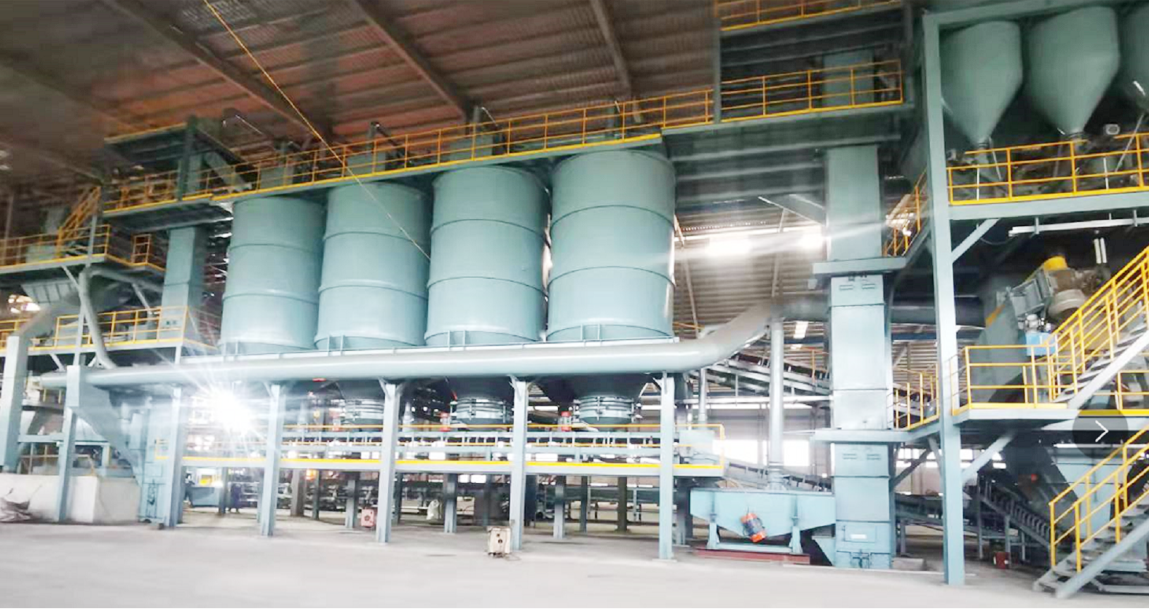
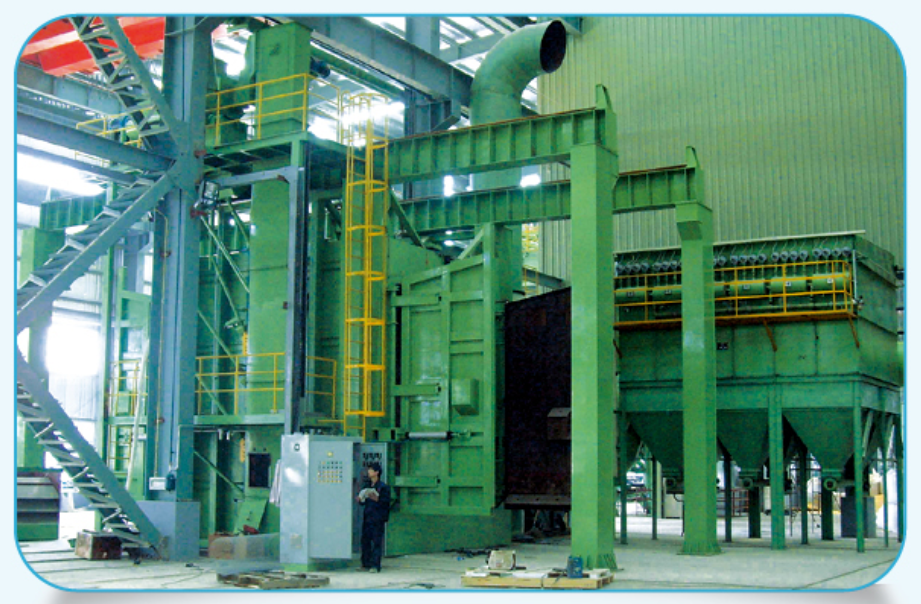
Evolution of Casting Technology in the Region

From manual molding to the era of automated heavy equipment.

Market Development History

Between 1960 and 1990, the industry relied predominantly on manual green sand molding and mechanical shaking machines. The focus was purely on quantity and basic structural durability for military and infrastructure projects.

From 2000 to 2015, a shift toward semi-automation occurred. The introduction of improved thrust bar mechanisms in molding machines allowed for higher compaction pressures and better surface finishes on heavy cast iron parts.

Since 2016, the trajectory has moved toward "Digitalization in Isolation," where factories implement local server-based monitoring to track the lifecycle of molds and the efficiency of finishing lines.

Future Development Trends

Integration of Localized Cloud Systems

Transitioning from standalone machines to interconnected networks using tailored cloud management platforms to reduce waste.

Precision Chemical Binding

Increasing adoption of specialized resins to replace traditional binders, enhancing the complexity of parts possible in black metal casting.

Automated Post-Processing

Shifting from manual grinding to robotic cast iron finishing to improve worker safety and part consistency.

Industry Outlook and Technological Forecasting

Predicting the next 5 years of casting innovation in North Korea.

Digital Logistics Sync
Implementation of intelligent warehousing to manage mold inventories in real-time.
Material Optimization
Transitioning to high-stability resin coated sand to reduce casting defects.
Mechanical Refinement
Upgrading thrust bar alloys for extreme durability in heavy molding.
Surface Engineering
Advanced cast iron finishing tools to reduce secondary machining.

Industry Outlook

The industry is expected to move toward a hybrid model where traditional heavy metal production is augmented by targeted automation. Search trends indicate a rising interest in energy-efficient melting and smart mold management within Asian industrial zones.

Over the next 3-5 years, the integration of IoT-enabled sensors in casting machinery will allow for predictive maintenance, reducing downtime in critical state-run factories.

Localized Application Scenarios in North Korea

Practical implementations of casting technology in regional industrial hubs.

01. State-Owned Heavy Machinery Plants

Implementing large-scale molding lines utilizing reinforced thrust bar systems to produce engine blocks for agricultural tractors.

02. Specialized Defense Component Foundries

Using resin coated sand for high-precision, high-strength casting of structural components requiring zero porosity.

03. Urban Infrastructure Casting Hubs

Deploying automated cast iron finishing lines to produce standardized manhole covers and piping systems for Pyongyang's urban expansion.

04. Regional Metallurgy Logistics Centers

Integrating intelligent warehousing to manage the flow of iron scrap and alloy additives across different factory zones.

05. Smart Factory Pilot Programs

Installing private-network cloud management platforms to monitor real-time casting temperatures and cycle times.

Brand Story

Global Development History of Yonghong Baoding Casting Machinery Co., Ltd.

Foundational Excellence

Established with a mission to solve the core inefficiency of black metal casting through robust mechanical engineering.

Technological Pivot

Integrated advanced hydraulic systems to replace manual pressing, significantly increasing mold density.

Digital Expansion

Developed proprietary software to bridge the gap between hardware output and management oversight.

Global Adaptation

Tailored machinery for diverse markets, ensuring durability in extreme climates and varied power grids.

Industry Leadership

Now a leading provider of integrated foundry solutions, focusing on the synergy of machinery and digital intelligence.

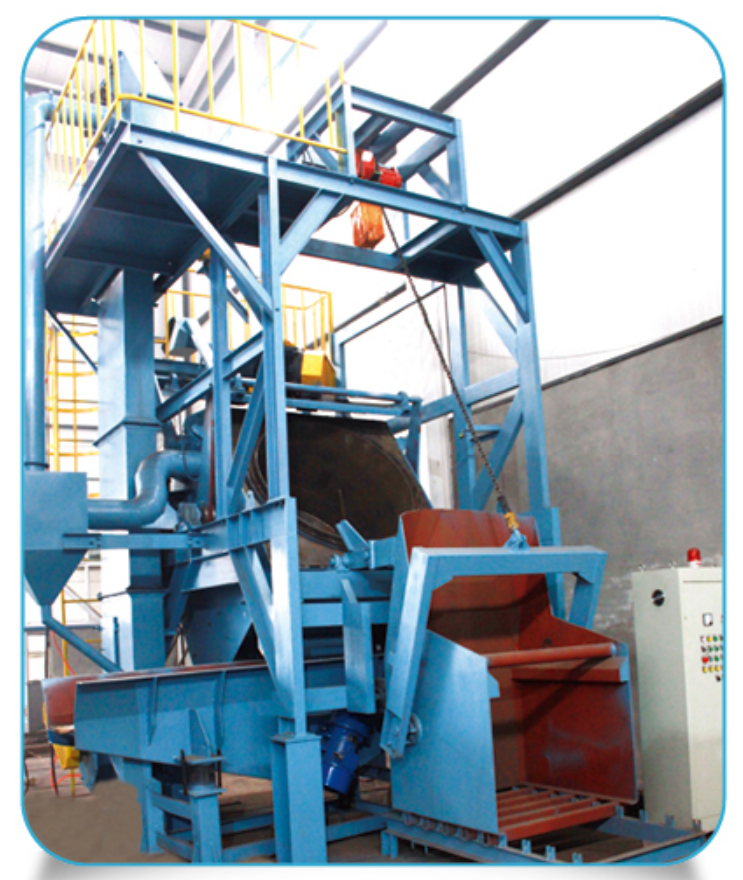
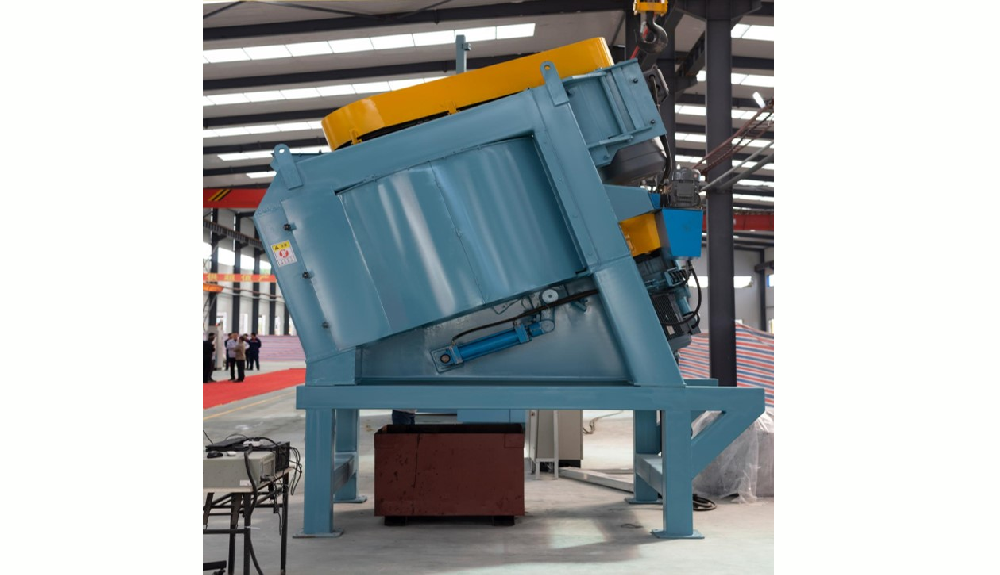
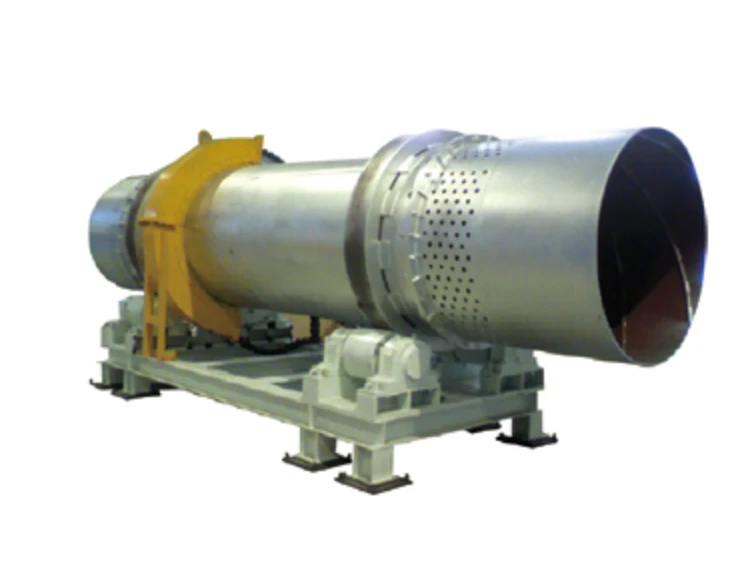
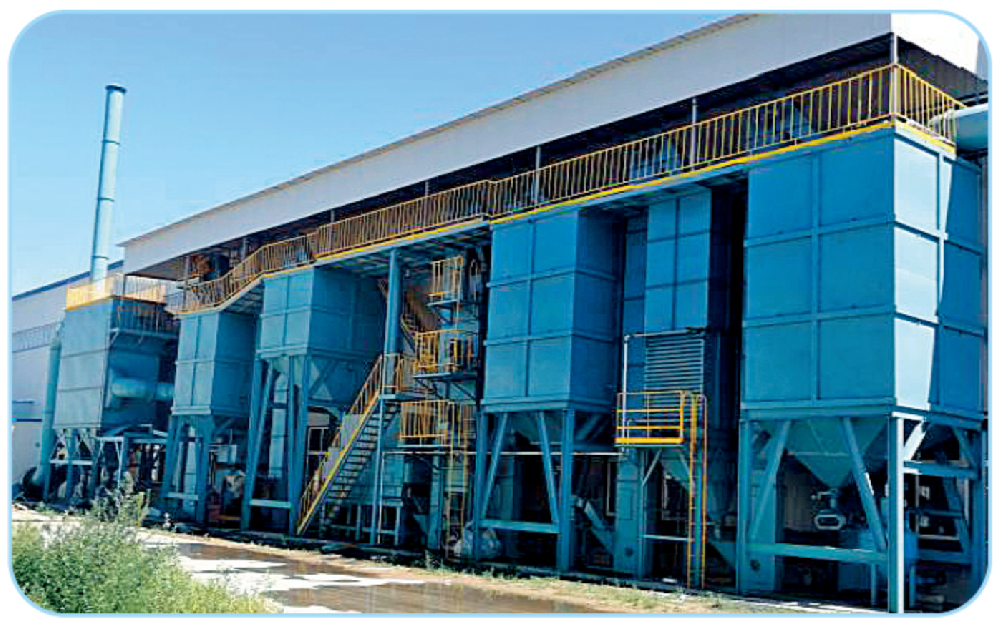
Comprehensive Foundry Product Portfolio for North Korea

End-to-end equipment for black metal casting and finishing.

Frequently Asked Questions for North Korean Foundries

Technical guidance and implementation queries.

How do cloud management platforms work in regions with limited internet access?

Our systems are designed for "on-premise cloud" deployment, allowing factories to run localized servers that manage data internally without needing external internet connectivity.

What are the benefits of resin coated sand for heavy industrial casting?

Resin coated sand provides superior dimensional stability and a smoother surface finish, reducing the time required for the finishing stage in black metal production.

Can intelligent warehousing be integrated into existing old factory layouts?

Yes, we provide modular shelving and RFID tracking systems that can be retrofitted into existing spaces to optimize material flow.

How often does a thrust bar need replacement in high-capacity molding machines?

Depending on the alloy and cycle frequency, our reinforced bars typically last 12-18 months under heavy industrial use before requiring inspection.

What is the most efficient method for cast iron finishing in cold climates?

Using controlled-temperature finishing cells and pneumatic grinding tools prevents thermal shock and ensures consistent surface quality.

Do you provide training for local operators on new casting machinery?

We provide comprehensive technical documentation and on-site commissioning to ensure local teams can operate the machinery at peak efficiency.

Consult Our Engineering Experts

Ready to modernize your black metal production in North Korea? Contact us for a customized technical proposal.

Contact Us Now

If you are interested in our products, you can choose to leave your information here, and we will be in touch with you shortly.