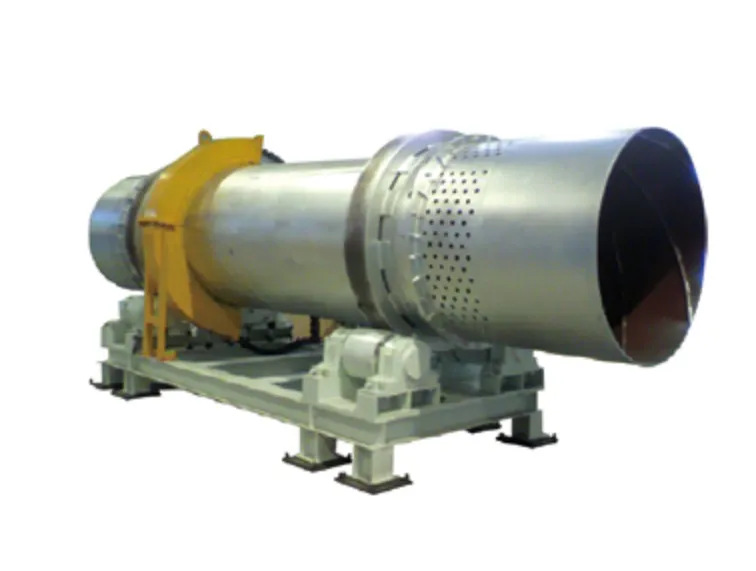
PC002 Roller Shot Blasting Machine for Casting Production
Achieving a flawless surface finish is often the most challenging phase of a casting production workflow. For manufacturers in the automotive, marine, and construction sectors, the removal of scale, sand, and oxidation is not merely an aesthetic requirement but a critical step for ensuring structural integrity and coating adhesion. The PC002 roller shot blasting machine is engineered specifically to bridge the gap between raw casting output and a precision-finished part, utilizing a continuous transport system that eliminates bottlenecks in the post-treatment phase.
By integrating a high-impact blasting process with an automated conveyor, this system allows for the uniform treatment of flat castings and structural components in a single pass. This technical approach reduces manual labor, lowers the risk of inconsistent cleaning, and ensures that every component meeting the line is processed with the same rigorous standard of intensity and coverage.

High-Efficiency Surface Treatment via Continuous Roller Blasting Technology
The PC002 model utilizes a sophisticated roller-based transport mechanism that ensures parts move seamlessly through the blasting chamber. Unlike batch-style cleaners, the continuous flow design allows for an uninterrupted throughput, which is essential for high-volume industrial environments. The system is specifically optimized for flat castings and structural parts, ensuring that the abrasive media impacts the surface at the optimal angle to remove stubborn casting skins and oxidation without distorting the part geometry.
At the heart of this operation is the precision-engineered blast wheel. This component consists of a durable impeller, a reverse impeller, and a robust control cage. Together, they generate a powerful, concentrated stream of abrasives that strike the workpiece with high kinetic energy. This ensures a reliable cast iron finishing result, leaving the metal surface clean, uniform, and ready for subsequent machining or painting processes.
- Single Pass Efficiency: Designed to achieve final cleaning results in one cycle.
- Uniform Coverage: The roller system prevents "dead zones" where parts might otherwise remain untreated.
- Industrial Versatility: Effectively handles materials across the construction and automotive supply chains.

Engineering for Durability and Environmental Safety
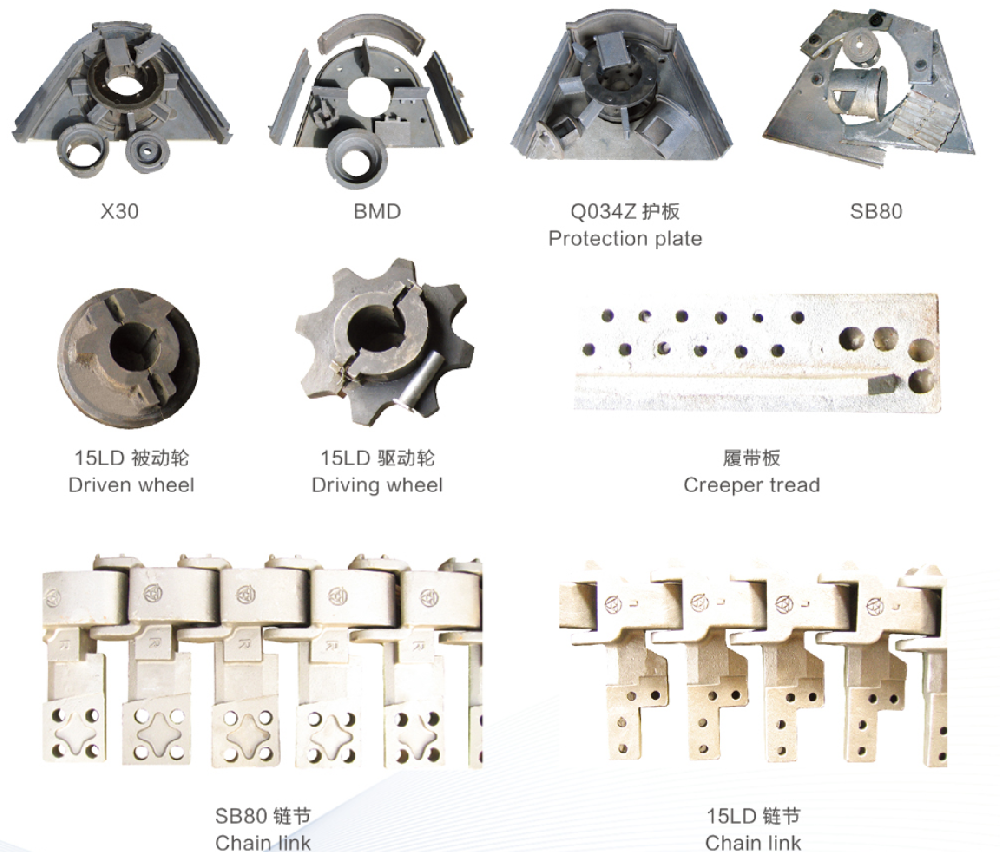
Industrial blasting environments are inherently harsh, characterized by extreme abrasion and airborne particulate matter. To combat this, the PC002 is constructed using highly wear-resistant materials. The blast cabin is reinforced with heavy-duty protection plates that shield the outer structure from the internal abrasive storm, significantly extending the machine's operational lifespan and reducing the frequency of structural repairs.
Environmental health and safety are integrated into the core design through a high-performance pulse jet dust collector. This integrated system captures fine metallic and abrasive dust at the source, preventing hazardous particles from entering the workshop air. By maintaining a closed-loop dust collection environment, the machine not only complies with safety regulations but also protects the health of the operators and the longevity of surrounding electronic equipment.
Furthermore, as a dedicated supplier of shot blasting spares, Yonghong ensures that critical wear parts—such as the impeller and control cage—are easily accessible. This focus on maintainability means that routine wear does not lead to prolonged downtime, as the machine is designed for rapid component replacement.
Application-Specific Considerations for Casting Post-Treatment
Choosing the right finishing equipment requires a deep understanding of the workpiece geometry and the required surface profile. For structural cast iron parts, the priority is often the complete removal of the "burnt-on" sand and scale that occurs during the pouring process. The continuous blasting process provides the necessary consistency to ensure that deep recesses and flat planes are treated equally, which is a common failure point in manual cleaning.
In automotive and marine applications, where parts are often subject to harsh corrosive environments, the surface finish provided by the PC002 serves as the essential foundation for anti-corrosive coatings. A surface that is improperly cleaned will suffer from premature coating failure; thus, the high-impact energy of the blast wheel is critical for creating the necessary anchor pattern (profile) for industrial paints and primers.
Operators should consider the following when integrating this system into their production line:
- Part Weight and Dimensions: Ensure the roller conveyor is matched to the maximum load of the structural castings.
- Abrasive Selection: Choose the media grade based on the desired surface roughness and the hardness of the cast metal.
- Cycle Time: Calculate the conveyor speed to balance throughput with the required cleaning intensity.
Technical Evaluation and Selection Matrix
| Evaluation Factor | PC002 Roller System | Batch Blast System | Manual Grinding |
|---|---|---|---|
| Throughput Rate | High (Continuous) | Medium (Cyclic) | Low (Manual) |
| Surface Uniformity | Excellent | Good | Inconsistent |
| Operational Cost | Low per unit | Medium | High (Labor) |
| Dust Control | Integrated Pulse Jet | Variable | Poor/Open |
| Part Suitability | Flat/Structural | Complex/Small | Small Details |
Optimizing the Supply Chain for Long-Term Equipment Reliability
The true cost of ownership for casting machinery is not found in the initial purchase price, but in the maintenance and spare parts lifecycle. Because shot blasting involves the constant collision of hard particles against metal, wear is inevitable. The strategic advantage of partnering with a manufacturer that also operates as a professional spares supplier is the elimination of sourcing delays for critical components like the blast wheel impeller.
Yonghong’s approach to the supply chain focuses on the use of specialized wear-resistant alloys for all impact zones. By utilizing precision-engineered spares, companies can maintain a lean inventory while ensuring that the machine remains at peak performance. This is particularly vital for industries operating on Just-In-Time (JIT) schedules, where a failure in the post-treatment line can halt the entire shipping sequence.
When evaluating a supplier, buyers should prioritize those who provide a holistic ecosystem—from the primary machinery to the specific wear-resistant parts and the environmental filtration systems. This integrated approach reduces the complexity of maintenance and ensures that the equipment operates within its original design specifications for years.
Future Trends in Automated Casting Finishing
The industry is moving toward "Smart Finishing," where the integration of cloud platforms and intelligent warehousing allows for real-time tracking of part throughput and wear-part lifecycles. We are seeing a shift where the blast wheel's performance is monitored through vibration and current analysis to predict failure before it occurs, moving from reactive to predictive maintenance.
Furthermore, there is an increasing demand for "green" casting processes. This involves not only the capture of dust but the more efficient recycling of abrasive media to reduce waste. Future iterations of continuous blasting systems will likely feature more precise media control, reducing the volume of abrasive needed while increasing the impact energy, thereby lowering the energy footprint per part treated.
For the modern manufacturer, the goal is to transition from viewing finishing as a "cleaning step" to viewing it as a "quality assurance step." By automating the process with equipment like the PC002, producers can guarantee a standardized surface that meets the most stringent international quality standards for cast iron and steel components.
Frequently Asked Questions on Casting Cleaning
What is the primary advantage of a roller shot blasting machine over a tumble blaster?
The primary advantage is the continuous flow and the ability to handle larger, flat, or structural parts without the risk of part-on-part damage. Roller systems provide a more uniform surface finish for large components and significantly higher throughput for production lines.
How does the pulse jet dust collector improve the working environment?
It uses periodic bursts of compressed air to clean the filter bags, effectively capturing fine metallic dust and abrasive particles. This keeps the air in the factory clean, reduces respiratory risks for workers, and prevents dust buildup on other machinery.
Which components are considered "wear parts" in the PC002 model?
The most common wear parts are the blast wheel impeller, the reverse impeller, the control cage, and the blast cabin protection plates. These are designed for easy replacement to ensure minimal downtime.
Can this machine handle different types of cast metals?
Yes, it is highly effective for cast iron and various steel alloys. The intensity of the finish can be adjusted by changing the abrasive media type and the conveyor speed to suit the specific hardness of the metal.
How often should the blast wheel be inspected?
Inspection frequency depends on the volume of production and the hardness of the abrasive used. However, a weekly check of the impeller and control cage is recommended to prevent catastrophic failure and maintain cleaning consistency.
What happens if the dust collector is not maintained?
Poorly maintained dust collectors can lead to reduced suction, causing dust to leak into the workshop. It can also create backpressure in the blasting chamber, which may decrease the efficiency of the blast wheel and the quality of the finish.
Technical References and Industry Standards
- ISO Standards for Surface Preparation
- SSPC (The Society for Protective Coatings) Technical Guidelines
- NIST Materials Science and Engineering Research
- ASME Standards for Industrial Machinery Design
Optimizing your post-treatment process is the final step in securing a high-quality end product. Whether you are upgrading an existing line or designing a new facility, selecting a durable, continuous cleaning solution is key to operational success.
Related Equipment and Solutions